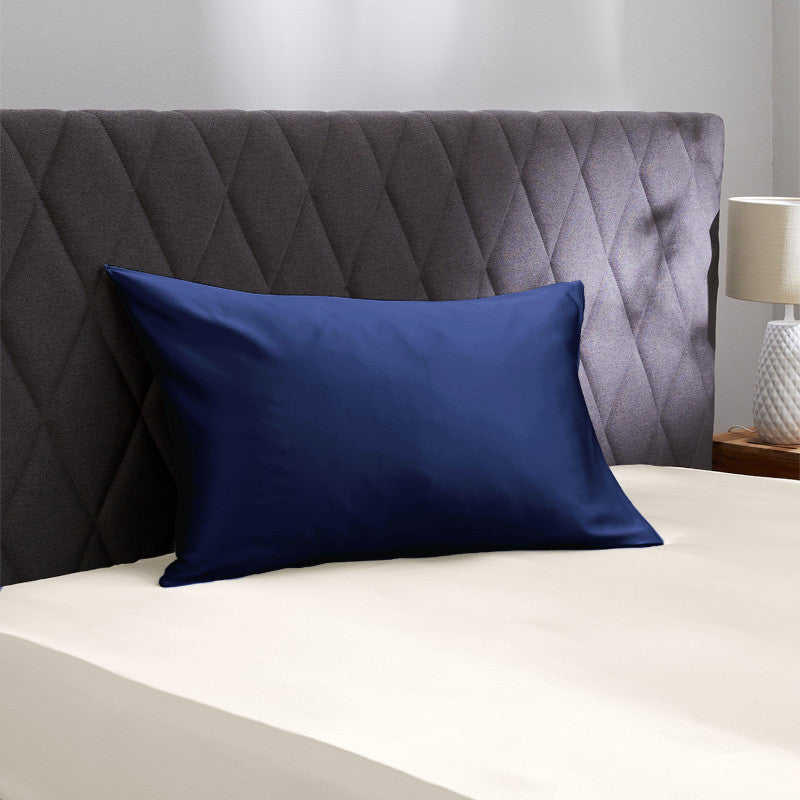
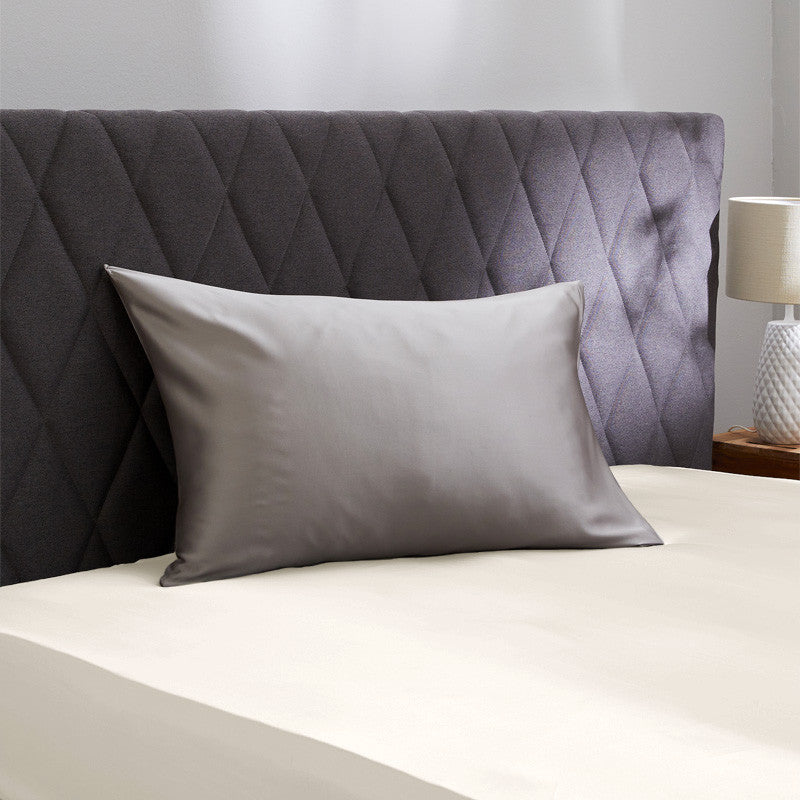
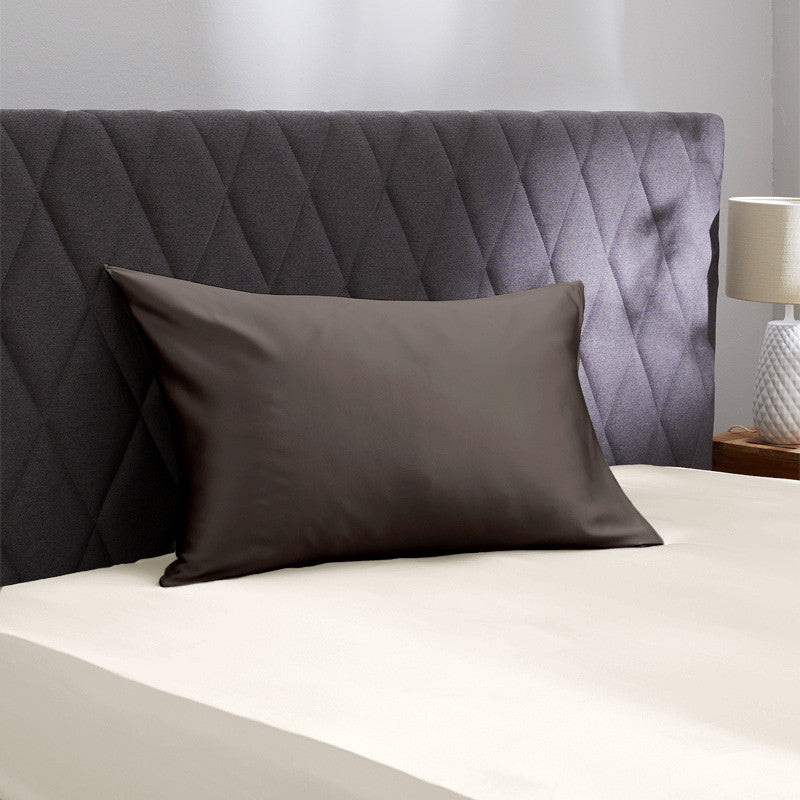
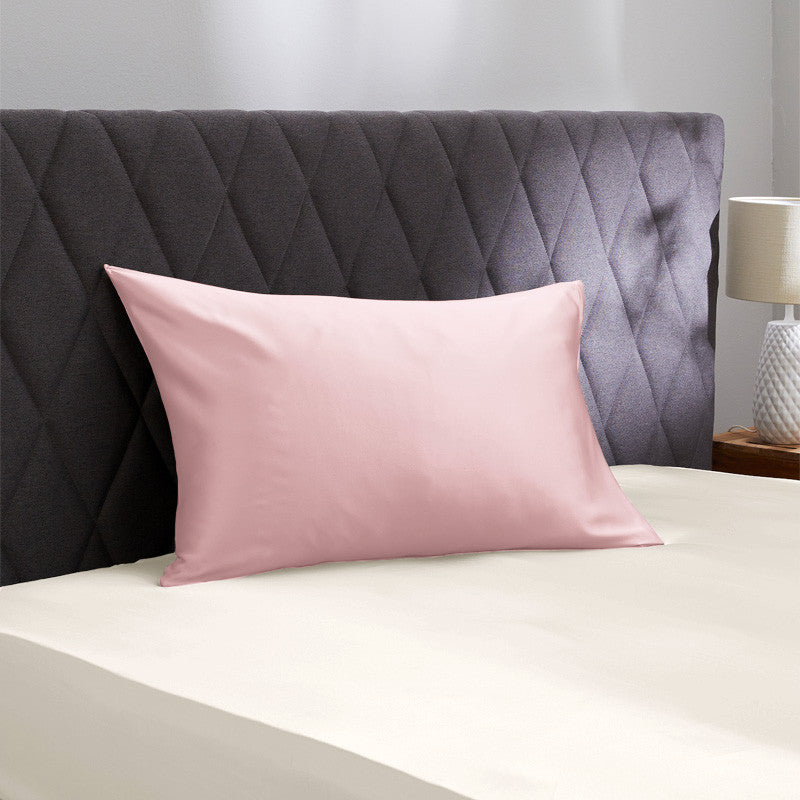
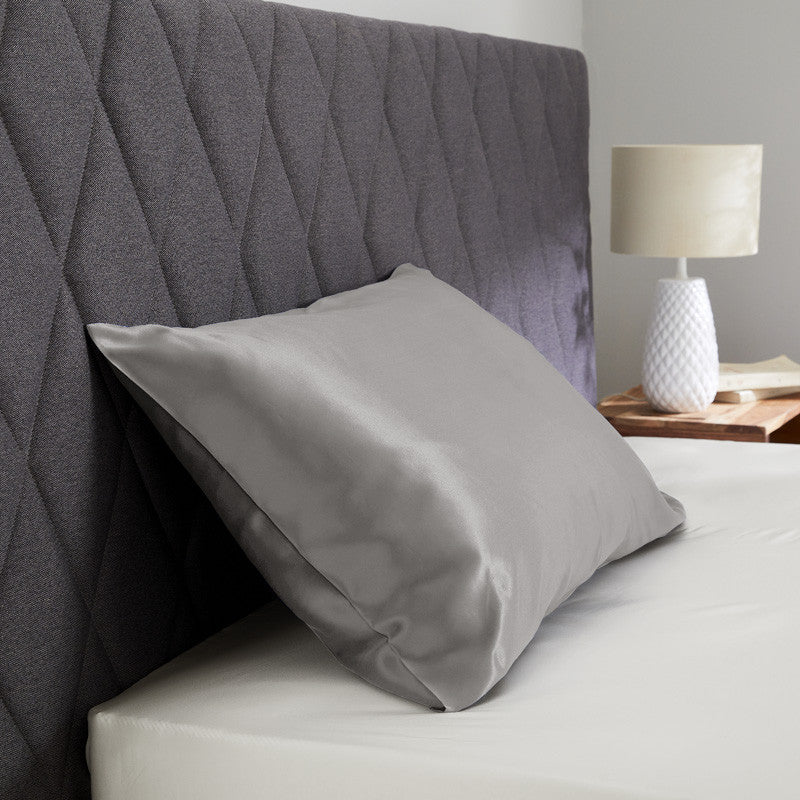
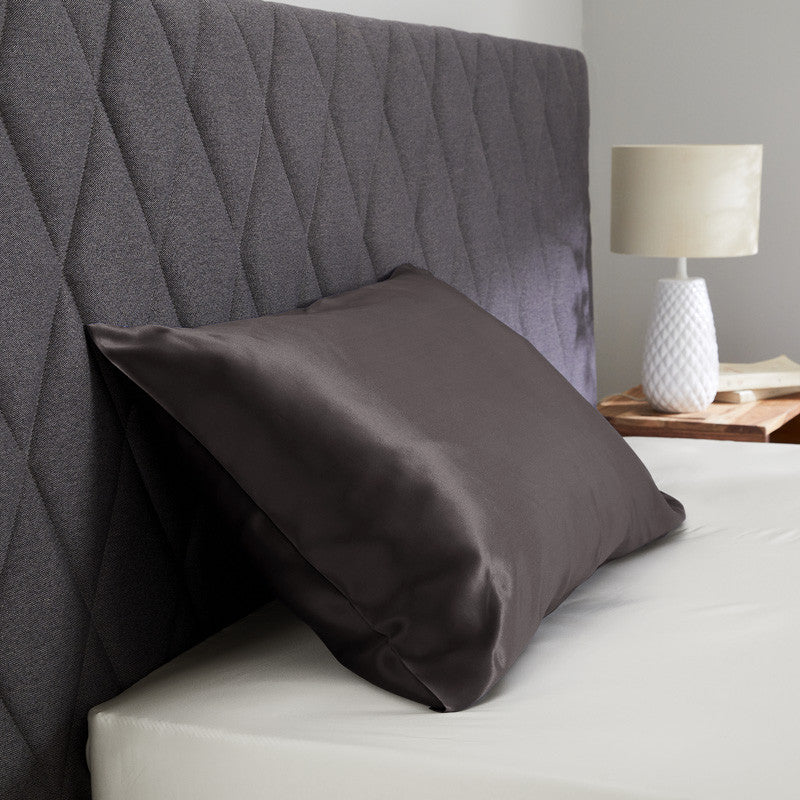
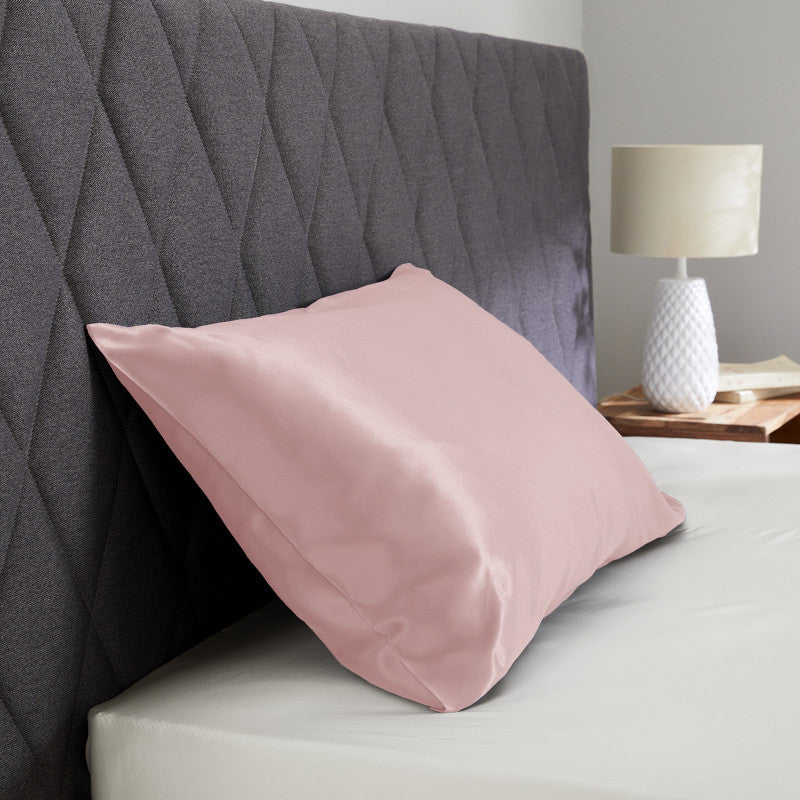
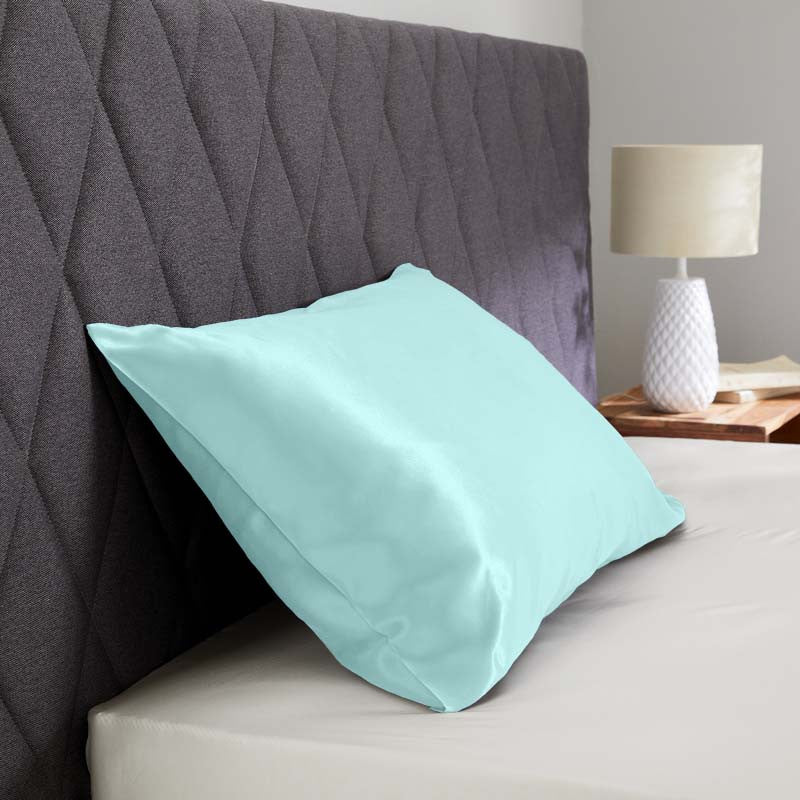
The Benefits of Silk Pillowcases for the Skin
Everyone knows the benefits of a good night’s sleep for the body: a boost to the immune system, stress relief, energy to spare upon waking, and a fresh, rested complexion without dark circles.
But have you ever woken up with a “sleep crease” on your face?
We spend about a third of our lives in bed and often sleep on our side, spending 7 to 8 hours each night in a position that irritates and creases the skin on our face. Ask any plastic surgeon or dermatologist, and they’ll tell you they can guess which side you sleep on just by looking at those creases on your face!

About 99.9% of the population sleeps on cotton pillowcases. The problem with cotton is that it doesn’t glide smoothly, and the fabric constantly rubs and pulls on the delicate areas of the face and neck.
As we age, our skin becomes more fragile and less elastic, and “sleep creases” take longer to fade, slowly but surely turning into permanent wrinkles.
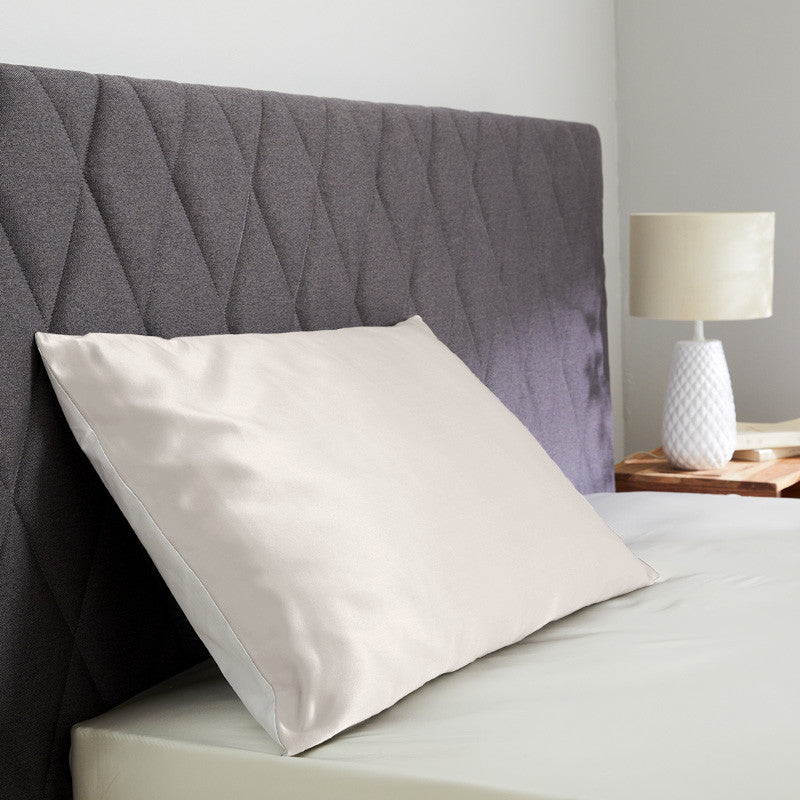
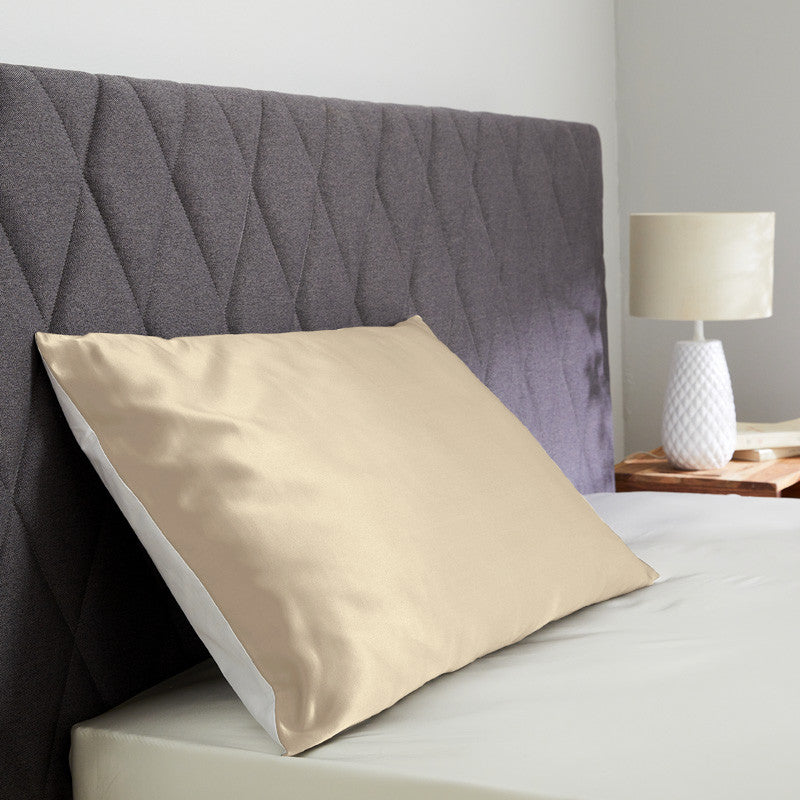
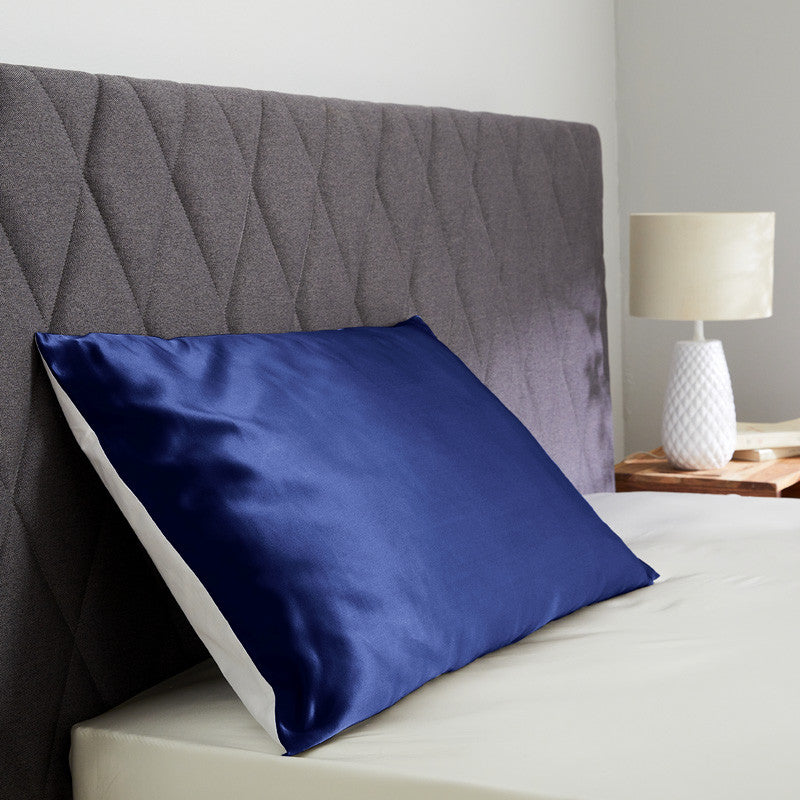
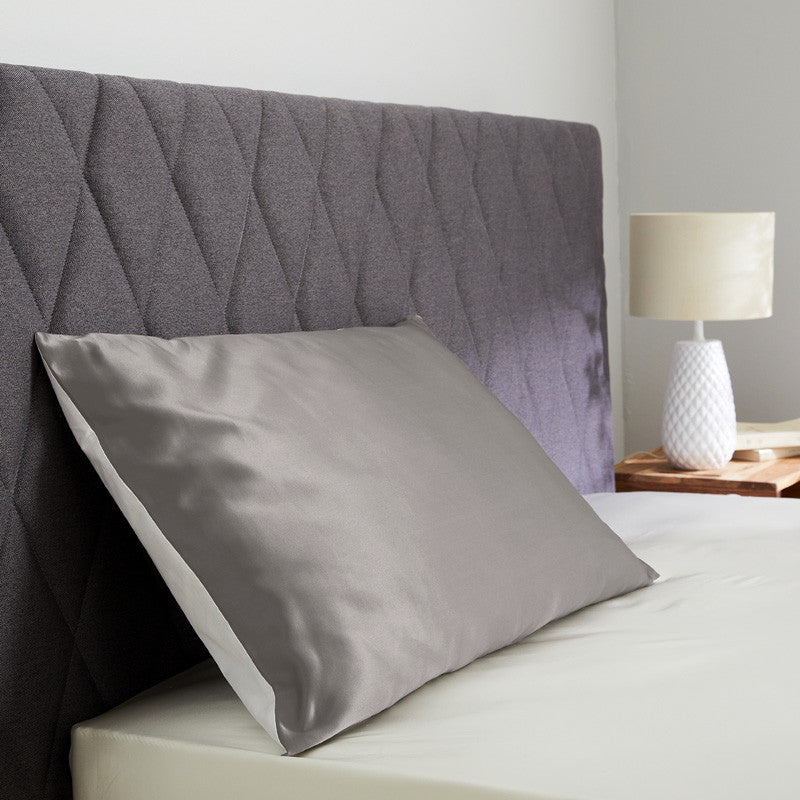
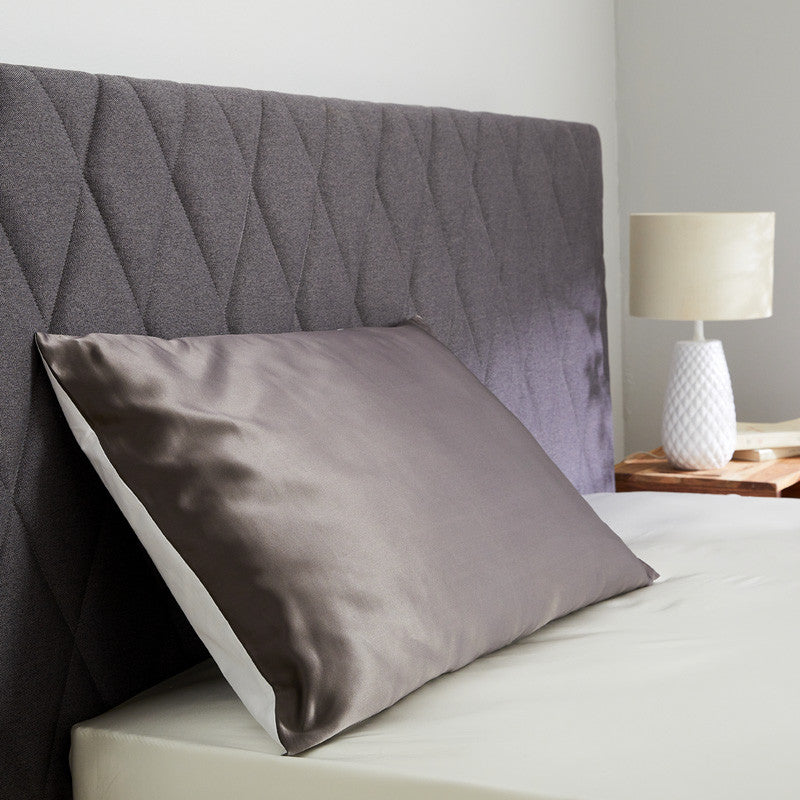
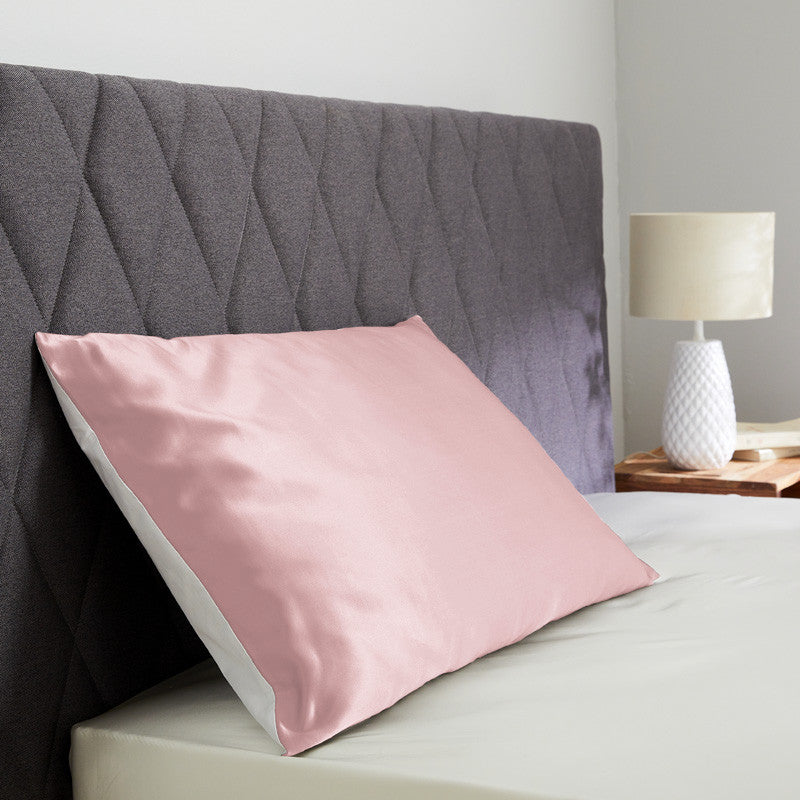
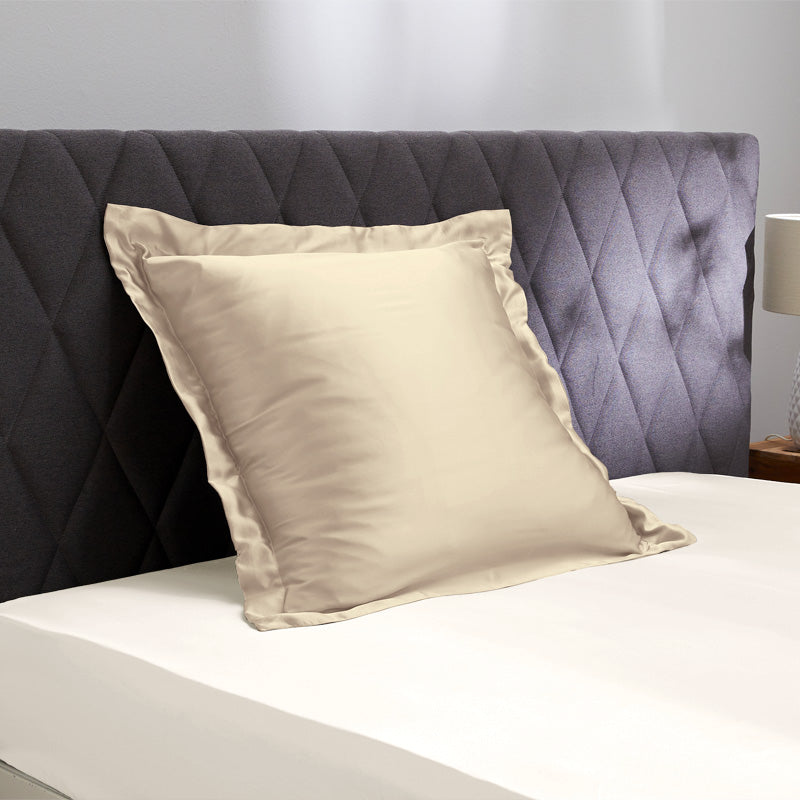
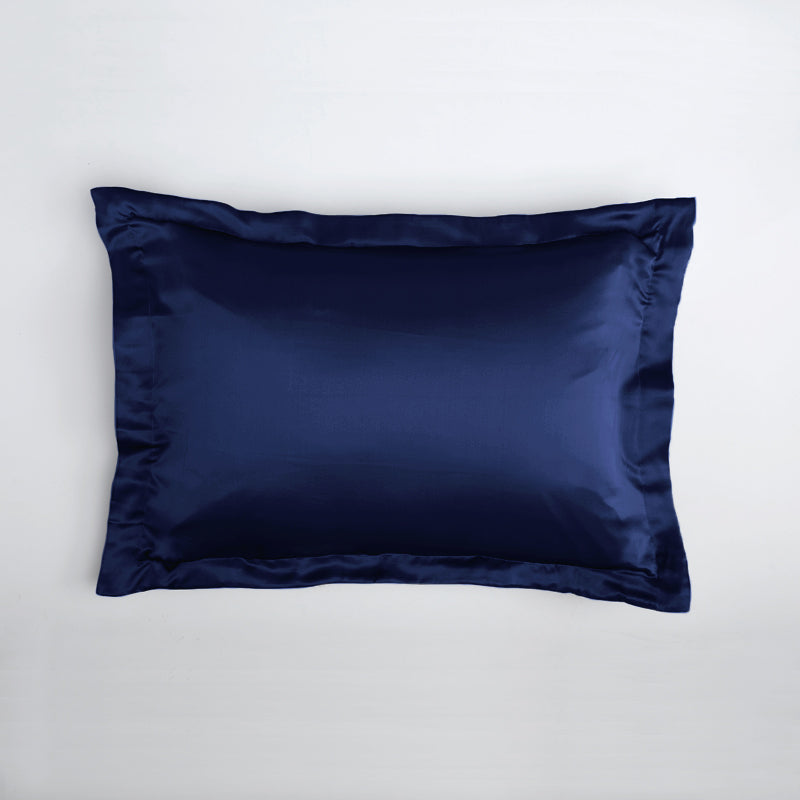
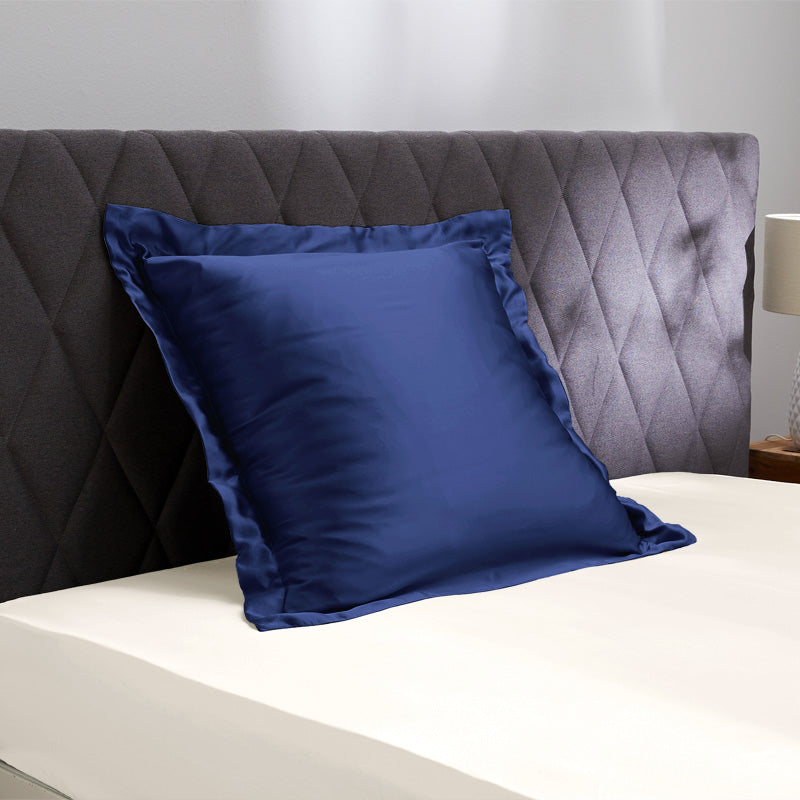
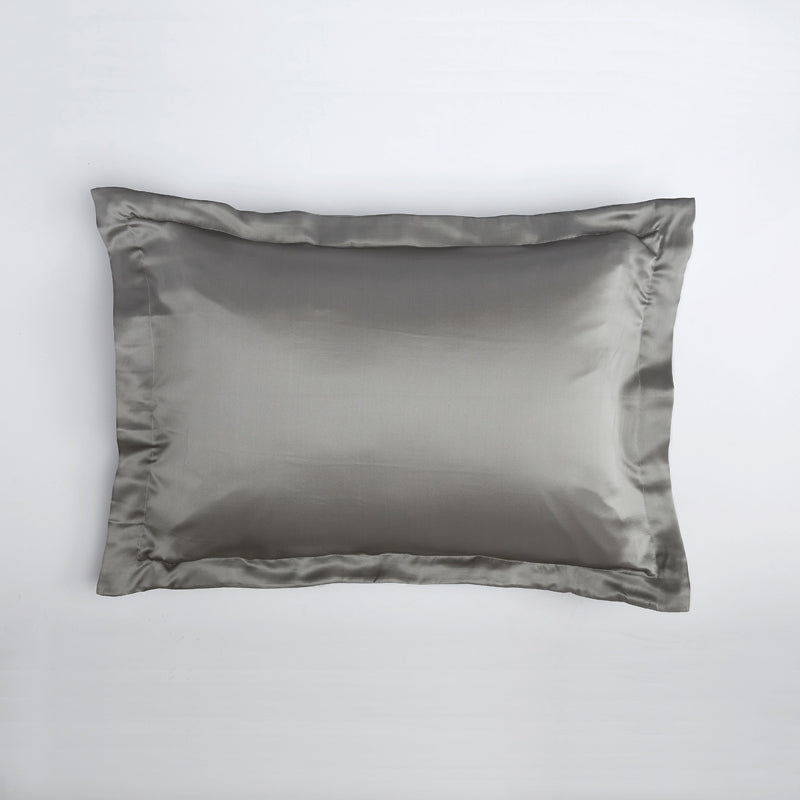
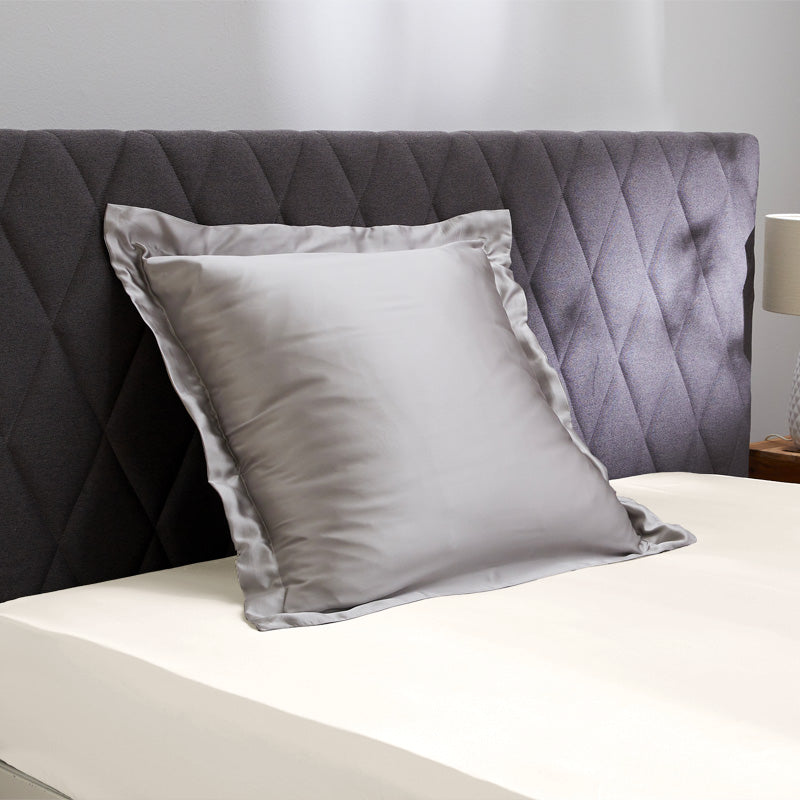
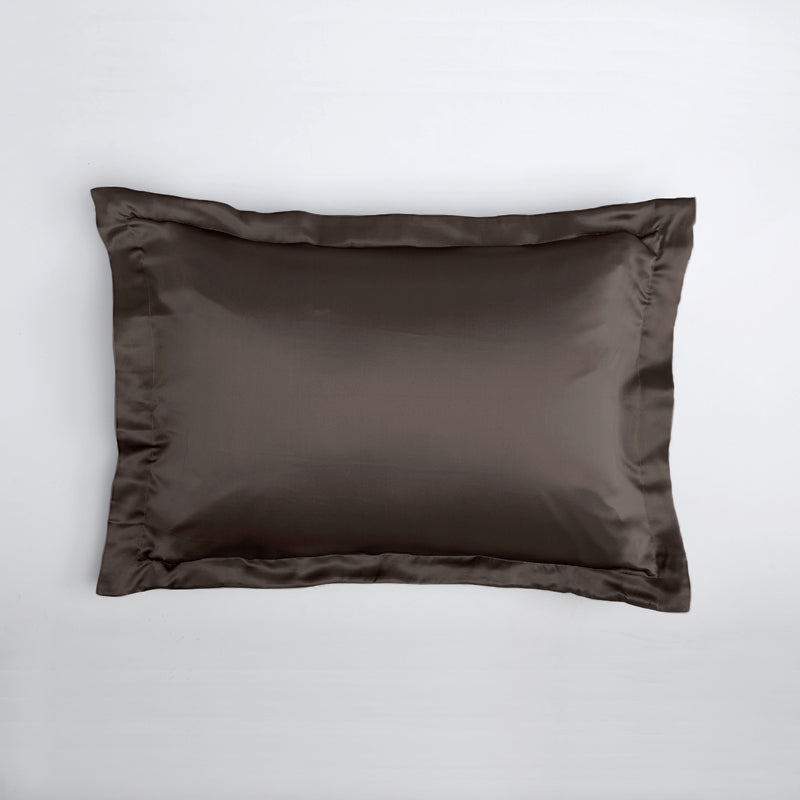
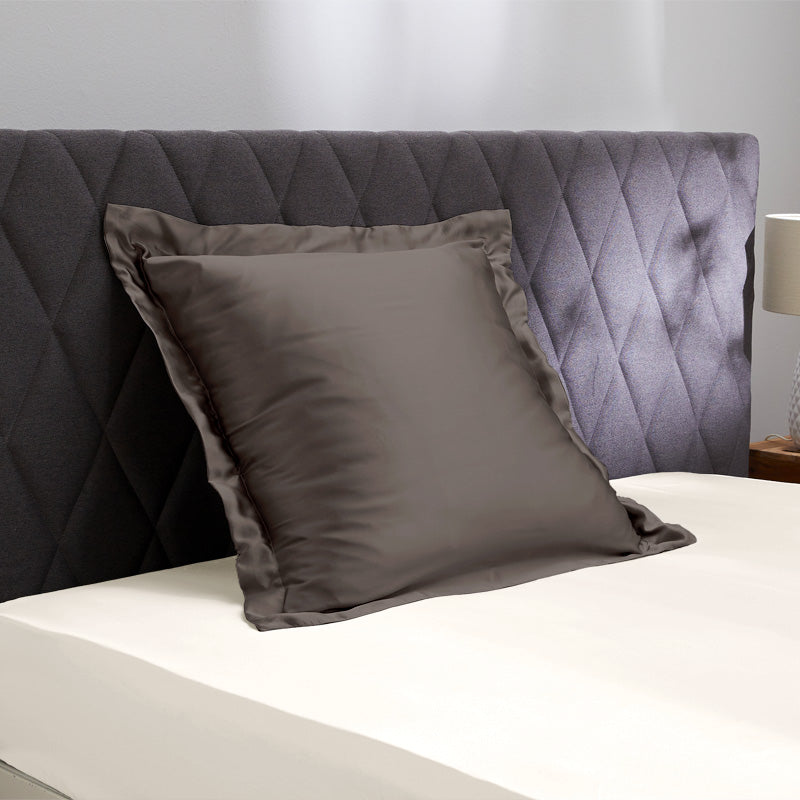
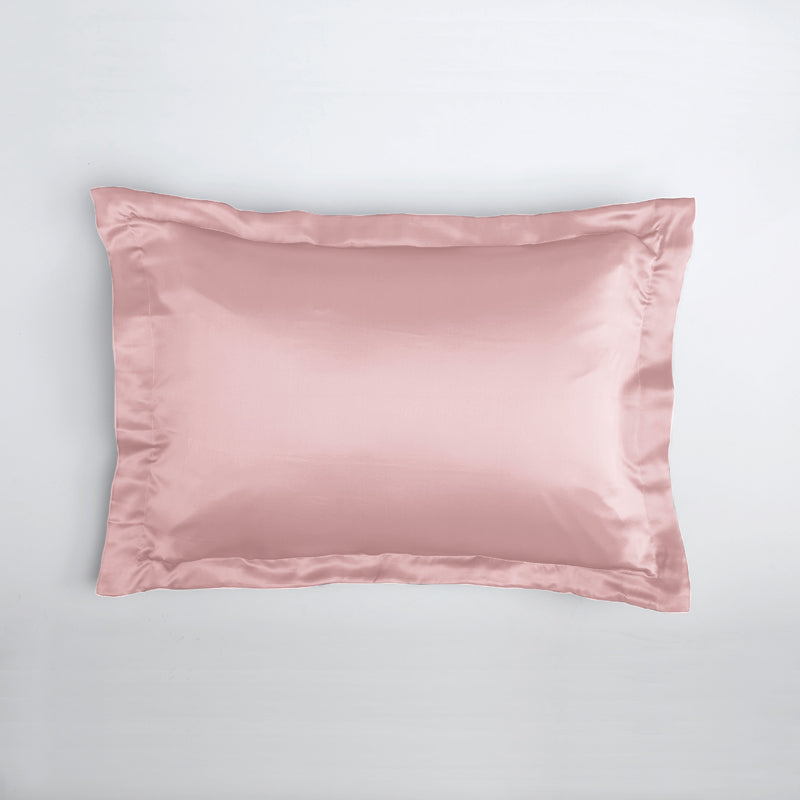
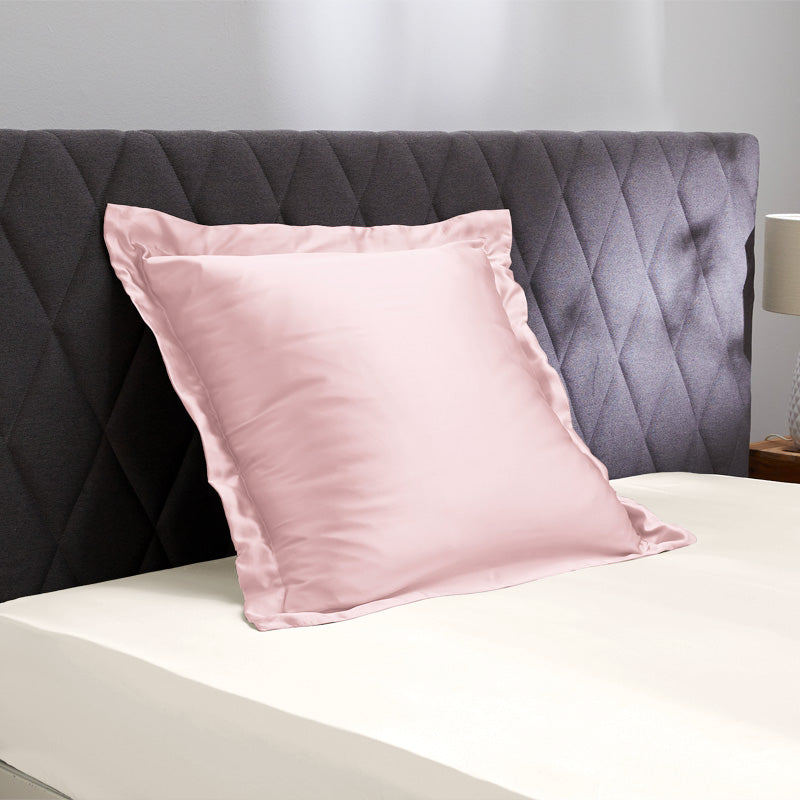
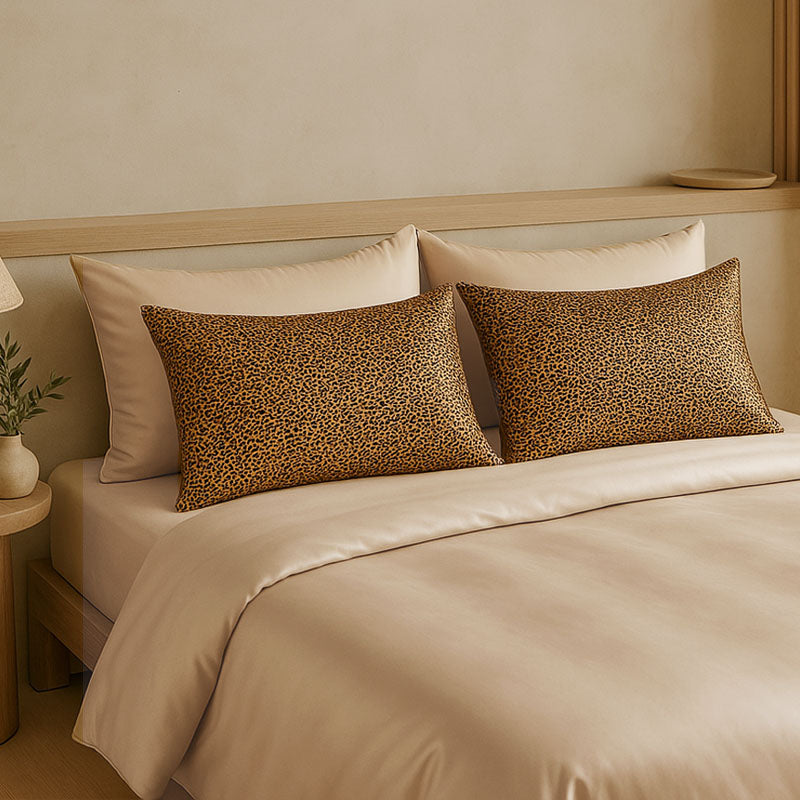
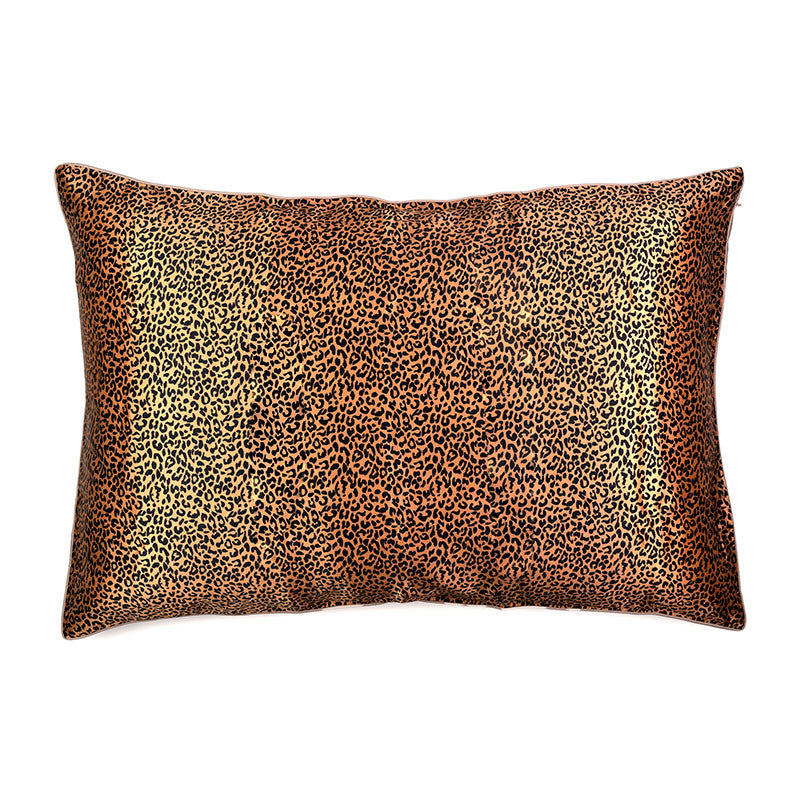
Only pillowcases made from a very soft, non-abrasive fabric—such as natural mulberry silk—limit fabric friction against the skin and the formation of sleep creases.
But what are these benefits for the skin that are so often mentioned whenever silk is discussed?

1 - Silk has a beneficial effect on the skin
- First, silk contains natural proteins and 18 essential amino acids that accelerate skin cell metabolism and help counteract the effects of aging. This is all the more important because it is at night that the skin “works” and regenerates, producing new cells twice as fast as during the day.
- Second, unlike cotton fibers, which are much rougher, the silky texture of silk prevents the formation of “sleep creases” when using a silk pillowcase—creases caused by the repeated rubbing of your face against your pillow.
2 - Silk is less drying than cotton
One of cotton’s properties is its ability to absorb up to 30% of its weight in liquid. Silk does not do this; its absorbency is only about 11%.
It therefore dehydrates the skin much less than cotton and maintains the skin’s natural moisture throughout the night. Sleeping on a silk pillowcase helps your skin look better and stay more supple. Silk helps preserve the skin’s youthful appearance.
3 - Silk is hypoallergenic
- For one thing, silk traps very few impurities due to the very structure of its fibers. Furthermore, in a high-quality weave, there is very little space between the silk threads where dust and other allergens that irritate the skin and eyes can get trapped.
- Furthermore, the enzymes present in silk prevent the appearance of minor blemishes and help regulate acne: the skin breathes and rests on a more hygienic surface. Silk is therefore recommended for severe acne or eczema due to its many antibacterial properties.
4 - The silk in your pillowcase absorbs less skincare products
Silk absorbs fewer creams and hair treatments than cotton. You can go to bed without any problems after applying your night cream: your skincare routine will be optimal.
5 - Silk is excellent for your hair

In addition to being beneficial for the skin, silk is also excellent for hair in more ways than one:
- First, silk fabrics—unlike cotton fabrics—aren’t rough. Because they’re soft and silky, they allow your hair to “glide” over the pillowcase and reduce excessive friction, which can cause hair breakage.
Long hair follows the movements of your head more easily throughout the night and tangles less. You can sleep without tying it up again. The appearance of “split ends” and “knots” is visibly reduced, hair breaks less, and hair loss is curbed.
- Second, silk reduces static electricity and keeps hair soft and smooth! So no more tangled, static-charged hair in the early morning.
- Third, soft, tangle-free hair also means less hair loss in the long run.
- Finally, silk works by trapping moisture, creating a protective barrier that keeps your hair properly hydrated. It absorbs much less of the natural oils on your hair. As a result, your hair is better protected.
6 - Silk is an excellent temperature regulator
Cool when it’s hot, warm when it’s cold, silk is a natural heat regulator: it helps maintain your body temperature perfectly while you sleep and is particularly appreciated by people prone to nighttime hot flashes or those with fragile, inflamed, or simply sensitive skin.
Since it stays cool in the summer, there’s no need to flip your pillow over to find that little spot of coolness!
But what do the experts say?
Numerous medical studies detail the proven benefits of sleeping on silk for slowing skin aging and reducing wrinkles:
- In 1987, Dr. Samuel J. Stegman’s research on sleep wrinkles in the U.S. demonstrated that the facial muscle region (the “SMAS: superficial muscular aponeurotic system”) is damaged by prolonged contact with the pillow, promoting the appearance of “sleep lines.” This particular sign of aging disappears in the morning in adolescents but persists longer in adults, with the phenomenon becoming more pronounced with age. Many people around age 40 and older retain their sleep lines throughout the day.
Sleeping on your back might seem like the solution, but it’s obviously unrealistic since we roll over several times during the night to change positions. Therefore, the solution to prevent these sleep lines from forming would be to sleep on softer, purer fabrics, such as silk, for example.
- “Resting your face on a pillow causes repeated trauma to the skin. Over time, this damage—exacerbated by the simple friction of a cotton pillowcase—can create permanent creases linked to a decrease in the skin’s collagen,” says Dr. Dennis GROSS, dermatologist, USA
- “Many plastic surgeons recommend using silk pillowcases after facial cosmetic surgery,” says Dr. Norman MARKUS – USA
- “I always sleep on silk so that my skin glides rather than rubs against the fabric, reducing the risk of wrinkles, particularly those in the nasolabial fold, between the mouth and the nose,” says Dr. Angelica KAVOUNI, plastic surgeon, Harley Street, USA
Beauty magazines also recommend silk pillowcases
“We never think of sleep as the cause of our wrinkles. A good night’s sleep is supposed to protect us from those pesky lines! Well, you might want to think twice about that: it all depends on how you sleep. If you like to sleep comfortably, as most people do, you most likely sleep on your side, with your face buried right in the middle of a huge pillow.
Unfortunately, you’ll discover that sleeping this way undoes all your efforts and undermines the effectiveness of your anti-aging creams and serums. The type of pillowcase you sleep on makes all the difference. If you want to preserve your youthful appearance, choose to sleep on silk!”
“Say goodbye to your cotton pillowcase and add a touch of silk to your bed!
When you sleep, your skin cells regenerate twice as fast, and as we age, our collagen becomes less resilient. When you wake up, those creases caused by sleep can linger for hours… or forever.
Traditional cotton pillowcases don’t glide, so they tend to pull on the delicate areas of the face and neck.”
“It’s no secret: silk is a luxurious material. Soft to the touch and comfortable to wear, it also offers genuine beauty benefits. Silk is very often found in the form of proteins in hand creams or in face and body lotions. Its benefits? Hydration combined with a softening effect.
When it comes to hair, silk offers numerous benefits. Here too, it’s credited with moisturizing properties as well as a coating and smoothing effect. When combined with the natural keratin in our hair, silk proteins help protect it, deeply nourish it, and restore its strength and vitality.
As a fabric, silk is hypoallergenic and thermoregulatory. Finely woven and with a very smooth texture, it does not dry out the skin. On the contrary. So, if you choose to sleep on a silk pillowcase, your face will be less irritated than if you slept on cotton. A simple beauty ritual that’s easy to adopt and recommended for all skin types.” LE FIGARO.FR MADAME – January 20, 2015
While it’s obviously easy to demonstrate that sleeping on silk has an impact on the appearance of the skin on your face, simply resting your head on a silk pillowcase or slipping under silk sheets is enough to convince you of their comfort and coolness during the hot season—and thus to adopt them for good.
As for the colder months, you’ll appreciate the cozy comfort of a silk duvet cover and its extraordinary ability to retain body heat without any feeling of stuffiness or sweating.