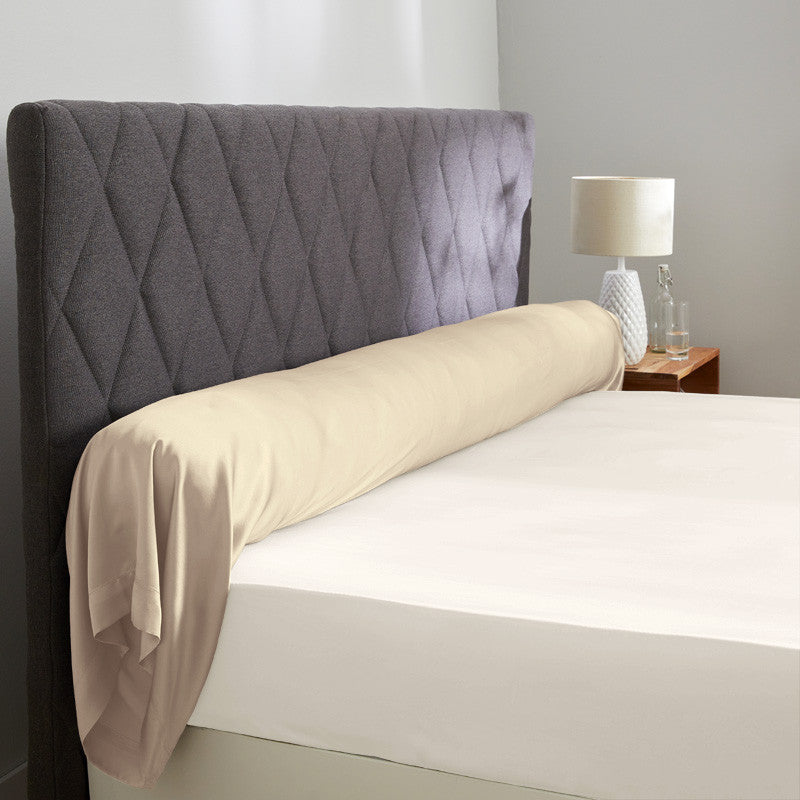
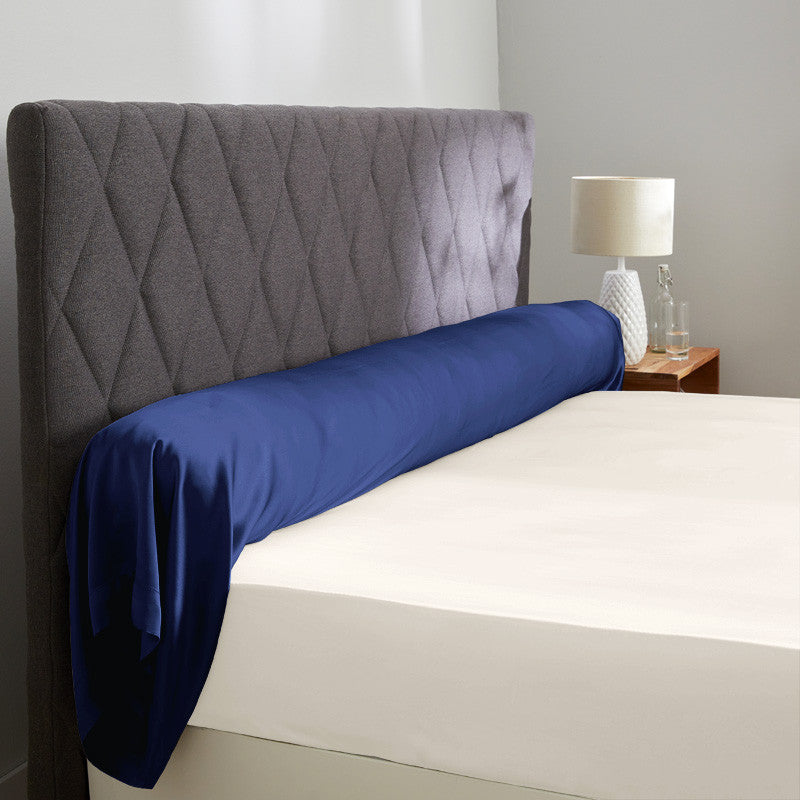
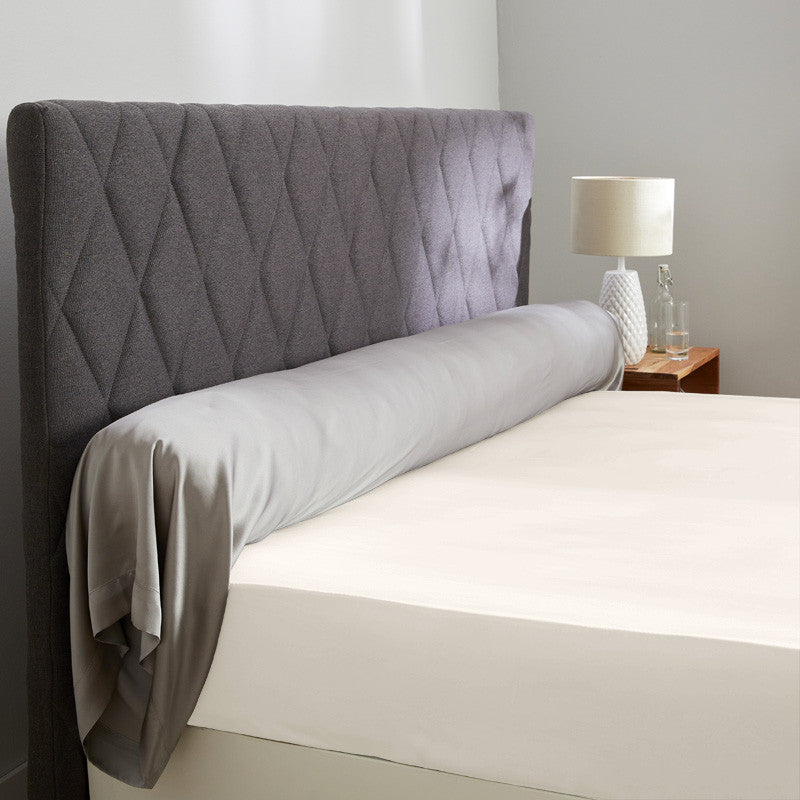
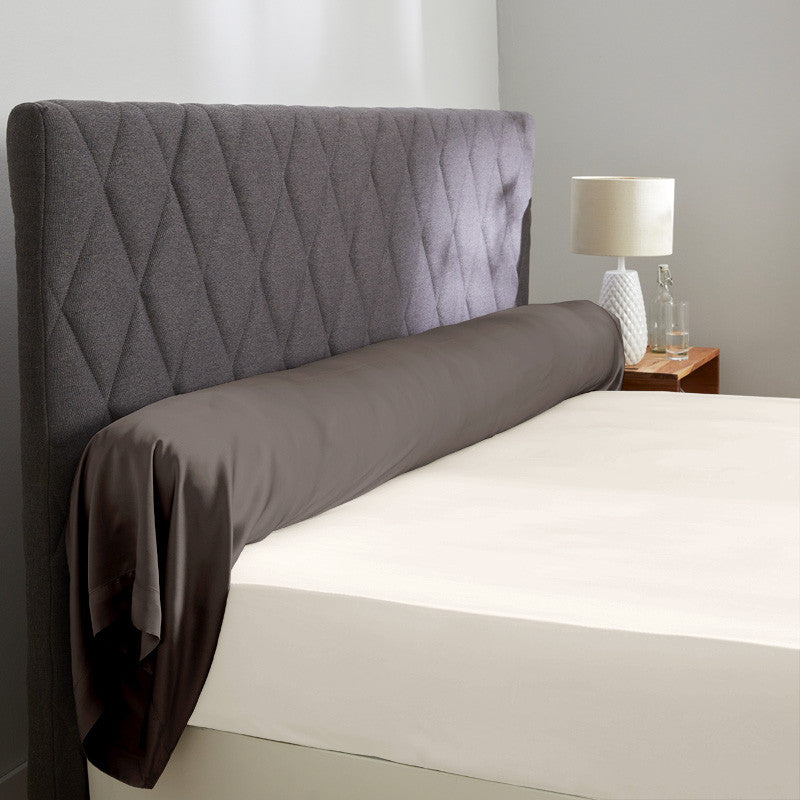
How do you wash silk bedding?
Contrary to popular belief, silk is one of the most durable natural fibers despite its very fine diameter. However, silk fibers can lose up to 40% of their strength when wet, making them prone to stretching. Washing silk satin or any other silk fabric therefore requires some care. Keep in mind that the lower the fabric’s weight per square meter, the more delicate the washing process must be.
“Maison de la soie” silk bedding has a weight of at least approximately 82 g/m², or 19 mommes (and up to 25 mommes for the Quintessence collection). This is a high-quality silk satin that holds up very well to machine care at 30°C.
The care of your silk bedding is therefore not that complicated. Here are a few tips to help you enjoy your silk sheets for as long as possible.

What detergent should you use?
Tenestar’s professional silk detergent is the best choice because it’s specially formulated for this delicate fiber. It has a neutral pH and contains no bleach, no color removers, and no enzymes. Plus, it’s biodegradable.
How often should you wash your silk bedding?
Silk is naturally antibacterial, hypoallergenic, and repels dust mites. It doesn’t absorb your lotions and minimizes friction against your skin. Therefore, care of it once or twice a month is sufficient.
Machine Care

You can easily wash your silk bedding in the washing machine. To do so, select the delicate cycle at a maximum of 30°C and a slow spin cycle (400 rpm), place your bedding in a laundry bag, and use a suitable detergent.
Tip: If you don’t have a laundry bag, you can place your silk pillowcase inside a cotton pillowcase.
Hand Care

If you prefer hand care, use lukewarm water (30°C maximum) and care for your linens gently. Avoid rubbing, wringing, or soaking the fabric.
Caution: When performing hand care for any silk bedding item (pillowcase, fitted sheet, duvet cover, etc.), avoid applying undiluted detergent directly to the fabric. Dilute it in the care water first to protect the fibers and minimize the risk of discoloration or stains.
Tip: Add a few drops of white vinegar during the rinse cycle to thoroughly remove soap residue and restore your linens’ luster.
Drying

Ideally, dry your bedding flat to avoid leaving creases. Otherwise, you can hang it on a clothesline without using clothespins. Caution: Drying must be done away from any direct heat sources (sun, radiators, etc.), and the dryer should not be used.
Tip: Before hanging your linens, wrap them in a terry cloth towel to absorb the water.
Ironing Silk Satin

Iron at a low temperature, if possible while the silk is still damp. Start with the reverse side, taking care not to press too hard on the seams. Do not use a steam iron, and avoid re-wetting the fabric. Finally, if necessary, finish with a light pass on the right side.
The following are prohibited because they would damage the silk fibers:
Tumble dryers, fabric softeners, powdered laundry detergent, detergents containing bleach, chlorine bleach, or any other chlorine-based bleaching agents.