8 Tips for Buying a Silk Duvet

- 1- Be wary of deals that seem too good to be true
- 2- Choose a filling made of long, grade A silk fibers
- 3- The duvet must be handmade and free of topstitching
- 4- Check for a zipper
- 5- Make sure it’s free of toxic substances
- 6- Be wary of “washable” silk duvets
- 7- The benefits of ties
- 8- The quality of the cover
1- Be wary of offers that seem too good to be true

2- Choose a filling made of grade A long-fiber silk

A silk duvet with a Grade A filling is much more durable and has a more uniform filling.
3- It must be handcrafted and free of topstitching

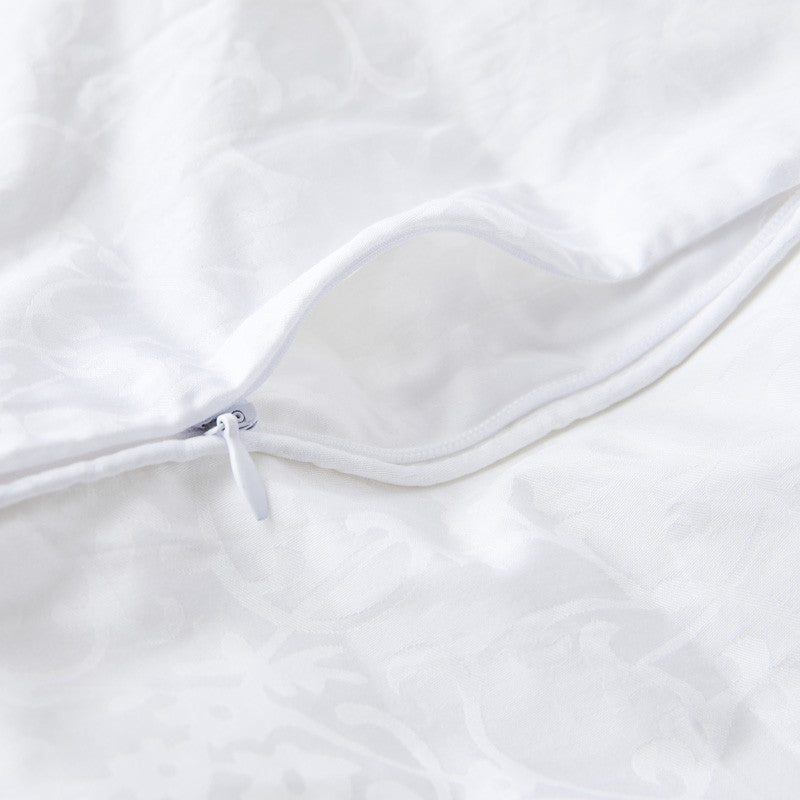
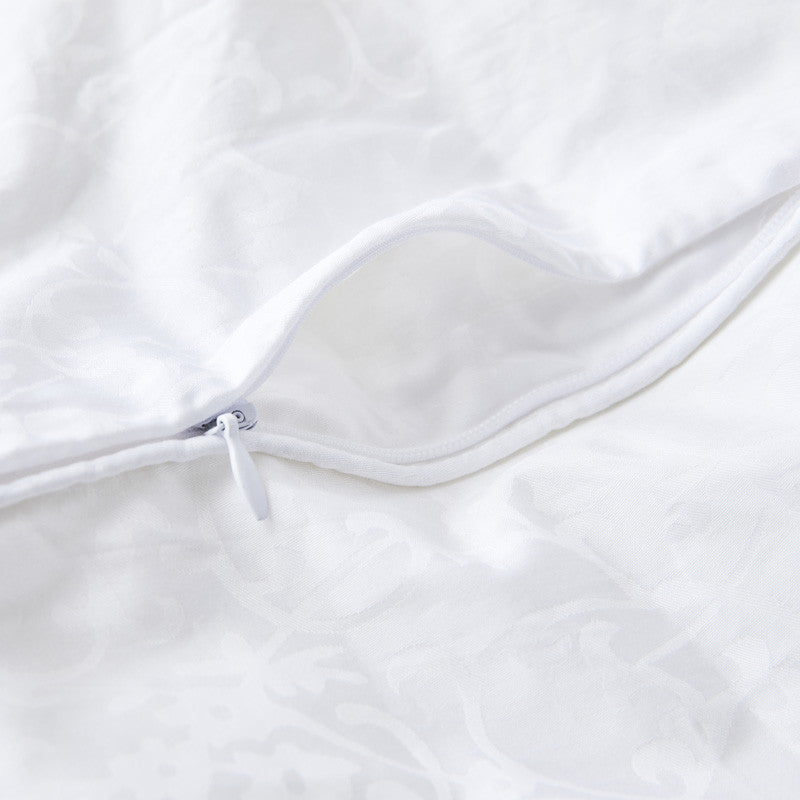
4- Check for a zipper
As we’ve seen, the manufacturing method and the quality of the silk are of the utmost importance. The best way to know what you’re buying is still to check it yourself. A zipper about ten centimeters long allows you to open the duvet and view the filling on one side.
5- Ensure the Absence of Toxic Substances
It’s important to ensure that the supplier has a health inspection certificate. A network of international health inspection laboratories regularly inspects our supplier and issues a certificate. This is not a guarantee of quality or an eco-label, as you might read here and there. It simply means that our products are free of substances that are harmful to your health and skin.
6- Beware of “washable” duvets
We’re seeing more and more “washable at 30°C” silk duvets on the market. Once again, you need to be very careful with this misleading term because after just two washes, a silk duvet will have lost most of its thermal and hygienic properties. This is because silk is a fiber that naturally absorbs moisture. This property prevents the growth of bacteria and dust mites and allows the fiber to better regulate temperature. However, during care at 30°C, the fiber becomes saturated with water, and the detergent clogs the micro-cavities on the surface of the fibers. The trick is to use very tight top-stitching, which, as we saw earlier, is not recommended for silk duvets. Despite the deteriorated filling inside, the duvet retains a reasonable appearance after care. However, it is clear that this type of duvet does not have a zipper, so it is impossible to inspect the condition of the silk filling.
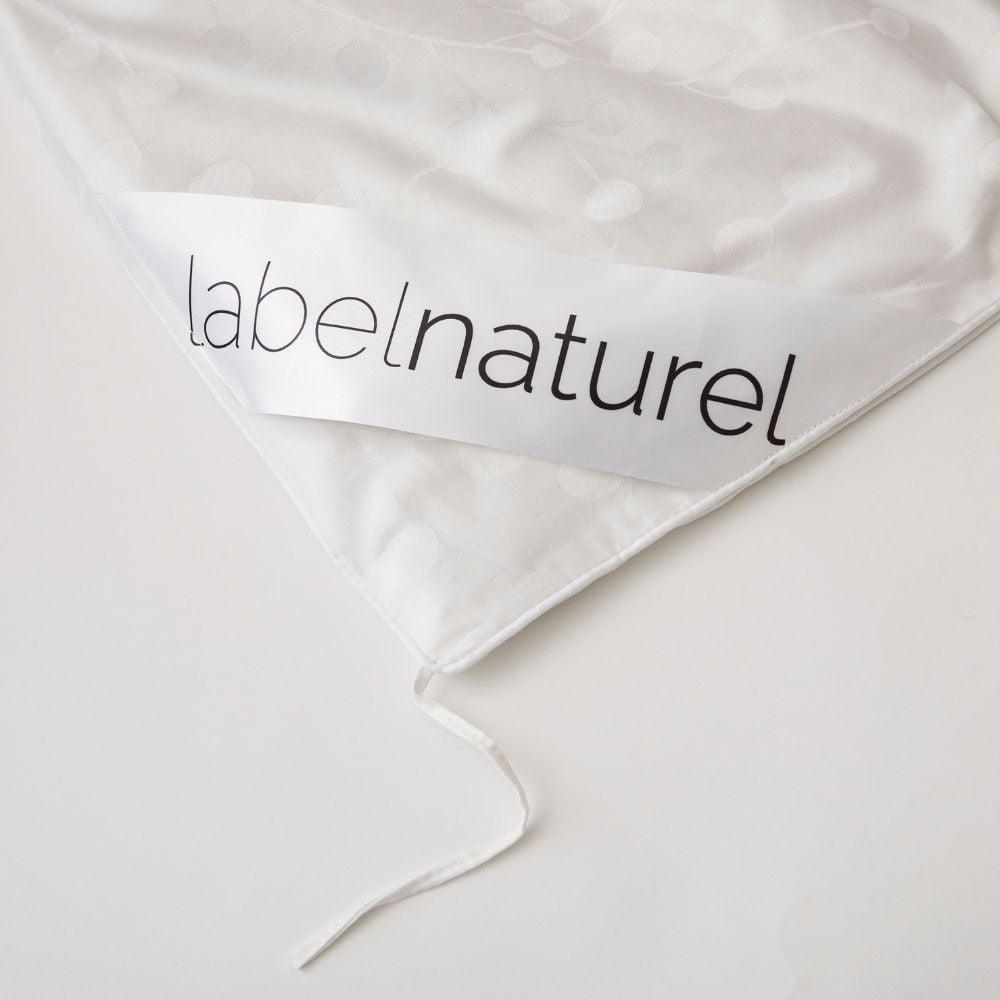
7- The Advantage of Ties

8- The Quality of the Cover

To learn more:
Our comparison of silk duvets vs. down duvets