


Menopause is a natural stage of life, often accompanied by restless nights: difficulty falling asleep, waking up during the night, and light sleep. By adopting targeted habits and gentle solutions, it’s possible to regain restful sleep. Here are seven practical tips for better sleep.
Understanding Why Menopause Disrupts Sleep
Hormonal changes play a major role in sleep quality during menopause.
- Decreased estrogen and progesterone: These hormones promote deep sleep and regulate body temperature. Their decline often leads to insomnia and nighttime awakenings.
- Hot flashes and night sweats: These physical symptoms make it hard to fall asleep and cause fragmented sleep.
- Increased stress and anxiety: Menopause can amplify mood swings, making it harder to fall asleep.
Understanding these mechanisms is essential for developing more effective solutions.
“During the menopausal transition, the frequency of sleep disturbances increases, and waking up at night is one of the most common complaints.”
“During menopause, sleep disturbances are characterized in particular by frequent nighttime awakenings and an increase in the time spent awake after falling asleep.”
7 Tips for Overcoming Insomnia
1. Establish a regular bedtime routine
The body operates on a circadian rhythm: going to bed and waking up at set times helps regulate this natural cycle. Avoid screens at least one hour before bedtime, opt for relaxing activities (reading, meditation, a warm bath), and create a soothing ritual that signals to your body that it’s time to sleep.
2. Choose a sleep-friendly diet
What you eat directly affects your ability to fall asleep. In the evening, limit caffeine, theine, alcohol, and heavy meals. Opt for foods rich in magnesium (almonds, bananas) and tryptophan (eggs, legumes), as well as soothing herbal teas (lemon balm, verbena). A light dinner eaten at least two hours before bedtime aids digestion.
3. Reduce nighttime hot flashes
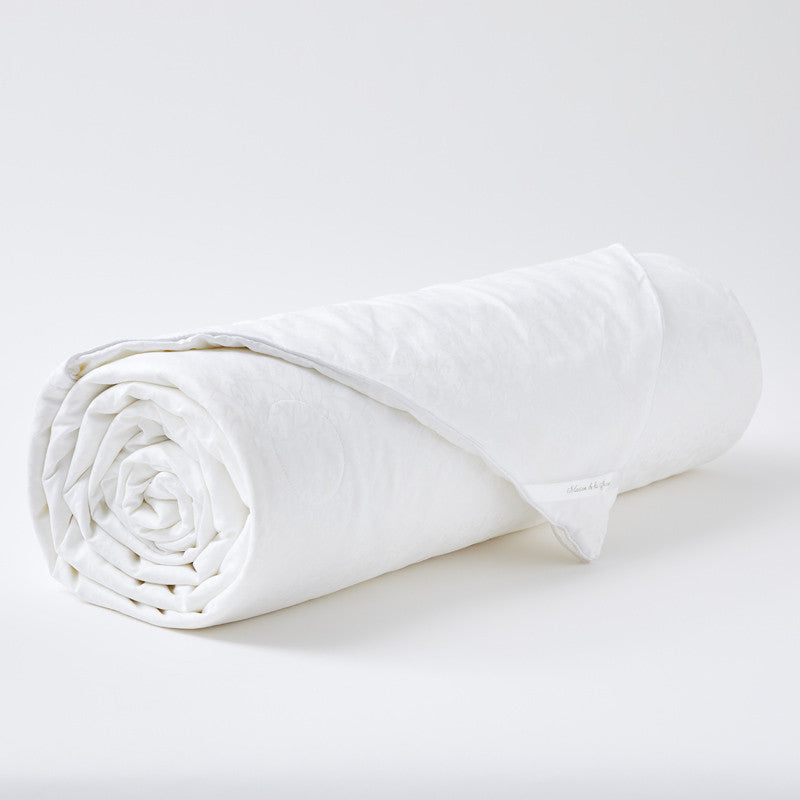
A cool, well-ventilated environment helps prevent nighttime awakenings caused by heat: keep your bedroom between 18 and 20 °C, air it out regularly, and avoid overly warm comforters. Choose temperature-regulating bedding, such as a silk comforter, which naturally regulates temperature and wicks away moisture. Wear light, breathable nightwear.
“In a cohort of middle-aged women, 78% of objectively measured hot flashes occurred at the same time as waking up.”
4. Engage in gentle physical activity
Physical activity improves sleep quality. Opt for walking, yoga, or swimming, and avoid intense workouts after 7 p.m. to prevent overstimulating your body. Regular exercise also helps reduce stress and stabilize your mood.
5. Learn to manage stress and anxiety
Stress is a direct enemy of restful sleep. Deep breathing, guided meditation, or cardiac coherence can help calm the mind. Keeping a gratitude journal or a sleep journal helps identify disruptive factors and adjust your routines.
6. Optimize Your Sleep Environment
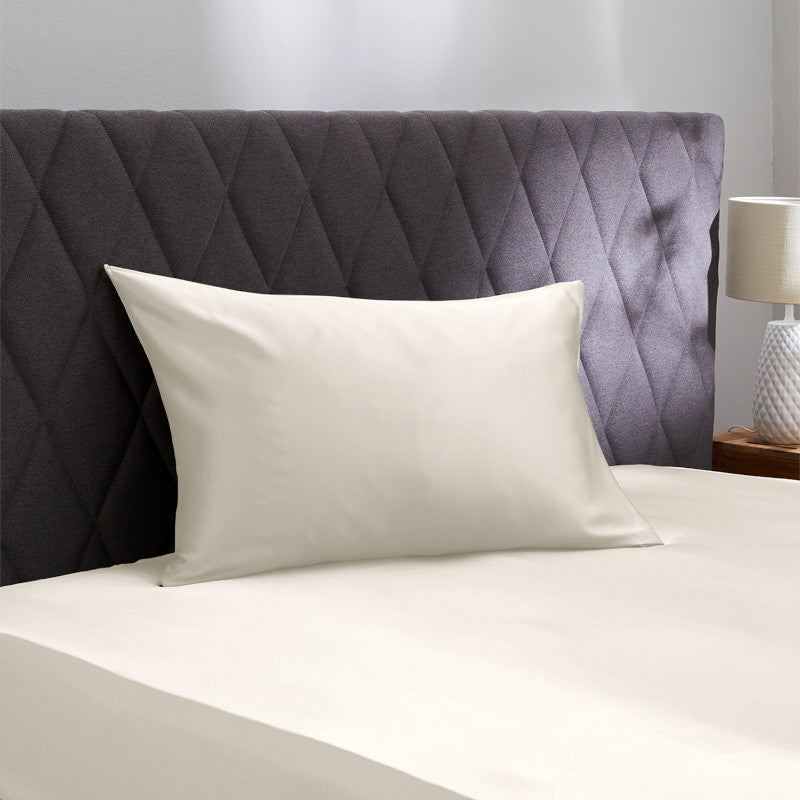
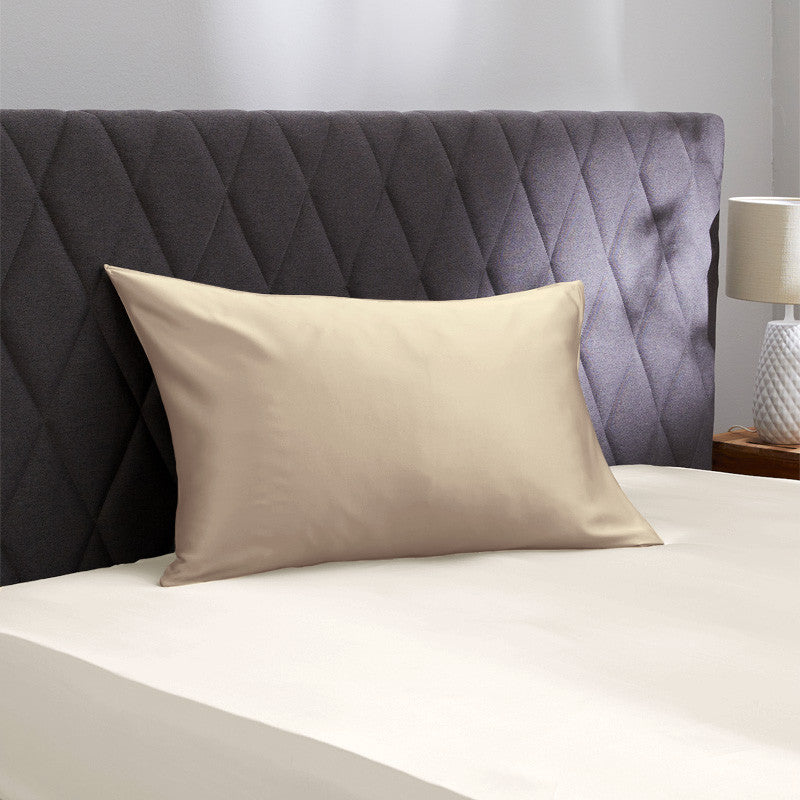
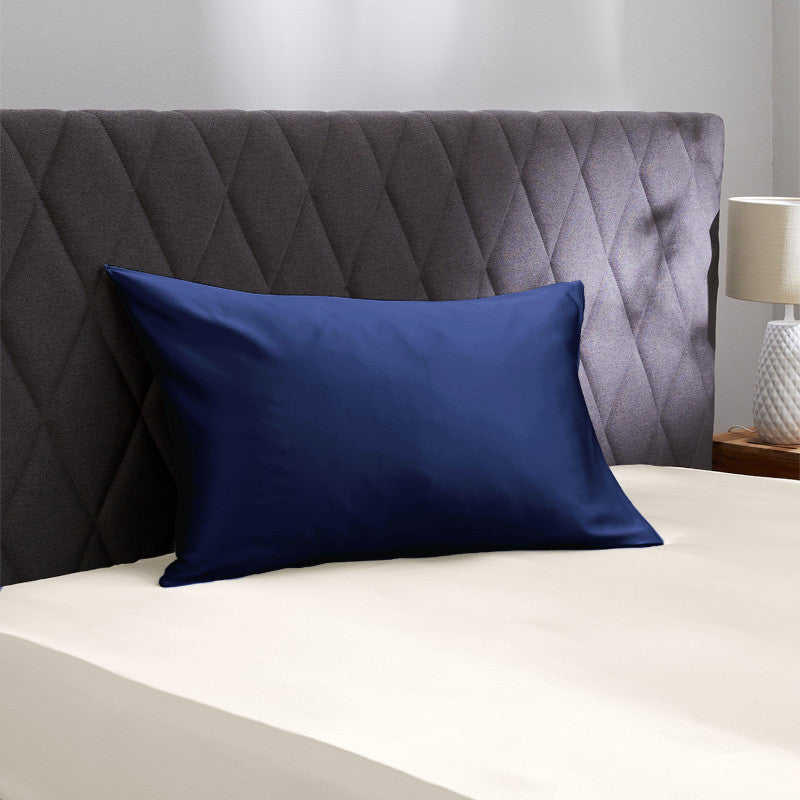
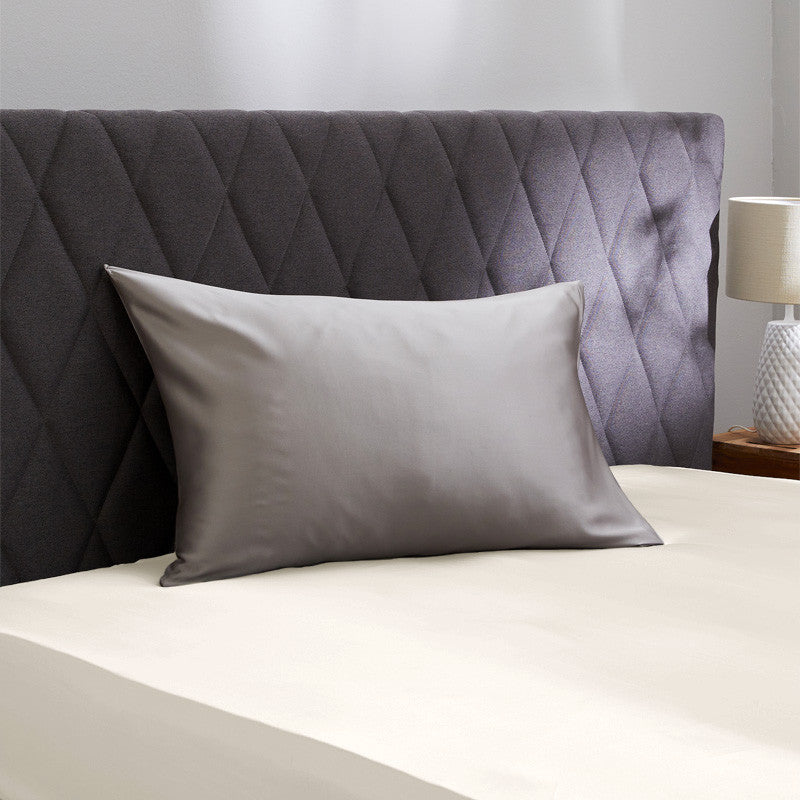
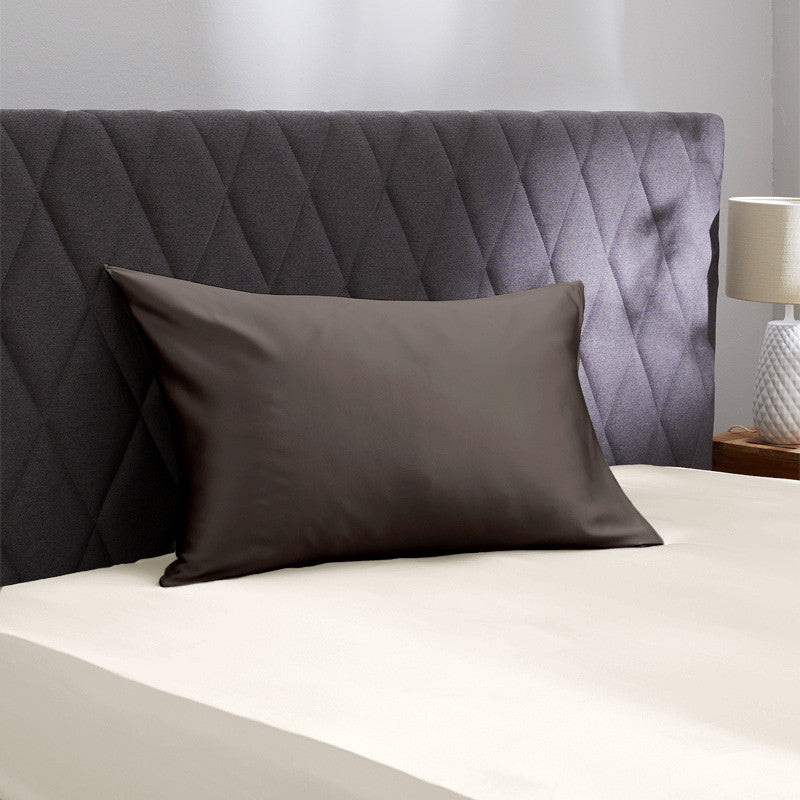
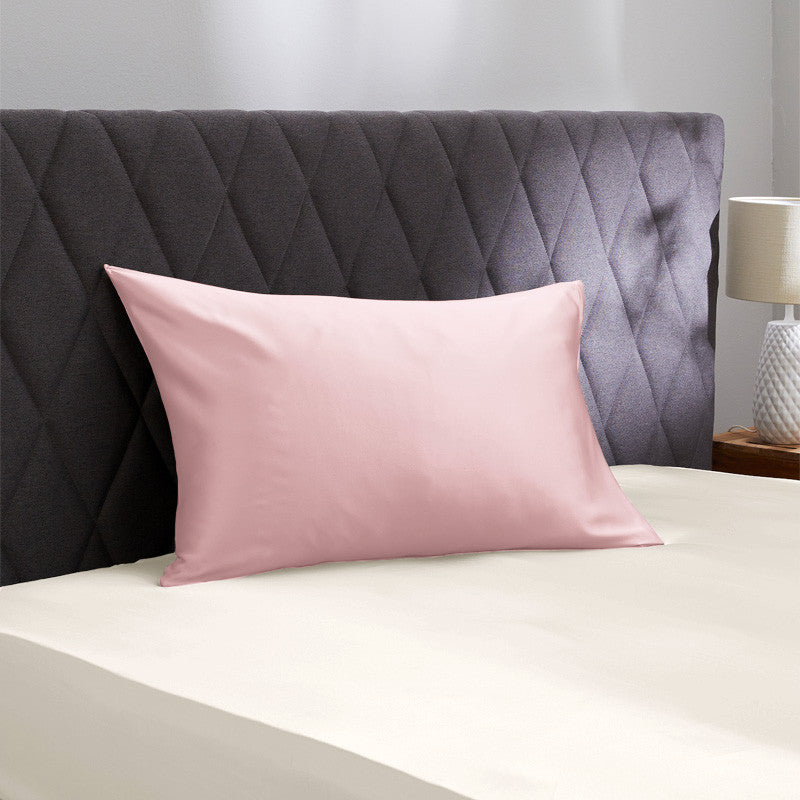
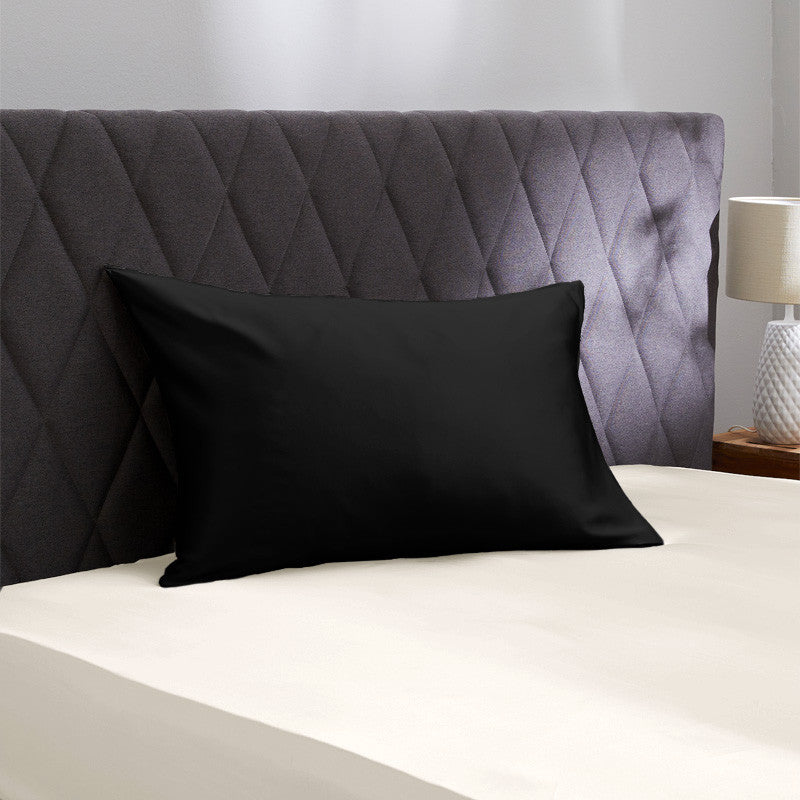
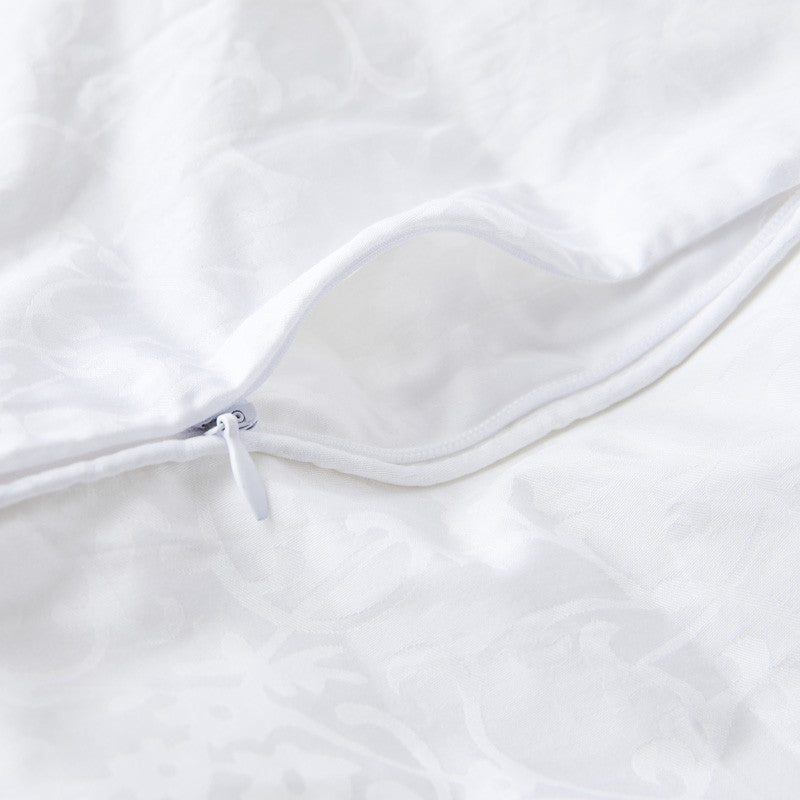
A comfortable bed and a soothing atmosphere can transform your nights. Try a silk comforter. The thermoregulatory and moisture-wicking properties of silk comforters provide an environment more conducive to sleep. Also opt for silk sheets and pillowcases: their softness protects your skin and hair while maintaining a more stable temperature. You can add an extra touch of comfort by wearing silk pajamas. Finally, eliminate sources of light and noise, and reserve your bed for sleep—and sleep alone.




7. Use proven natural remedies
Certain plants promote sleep: valerian, passionflower, and lemon balm. Whether taken as a tea or a dietary supplement, consult a healthcare professional, especially if you’re already on medication. If insomnia persists, see a sleep specialist or your gynecologist.
Your New Anti-Insomnia Routine
Menopause can disrupt your sleep, but it doesn’t have to be inevitable. By adjusting your routine and environment and adopting gentle solutions, you can regain deep, restorative sleep.
For optimal comfort, discover our selection of silk bedding—soft, breathable, and temperature-regulating—designed for more peaceful nights.
Leave a comment