


Eczema is one of the most common skin conditions, affecting both children and adults. Dryness, itching, redness: daily symptoms can become difficult to manage. While we often think of classic skin care or drug treatments, we sometimes forget that textiles play an essential role in skin comfort. Some fibers soothe, others irritate. So, how do you choose textiles that are better suited to this skin type?
Summary
- Understanding eczema and the importance of textiles
- The most common textiles: advantages and limitations
- Silk: a naturally suitable textile for eczema-prone skin
- What silk products should you choose to soothe eczema?
- Practical tips for limiting textile-related eczema
- Conclusion
- Related articles
- FAQ
Understanding eczema and the importance of textiles
What is atopic eczema?
Atopic eczema is a long-term skin condition characterized by dry, sensitive, and reactive skin. The skin barrier is weakened, making it easier for allergens to penetrate and causing redness, itching, and inflammation. This hypersensitivity makes the skin particularly vulnerable to friction, heat, and irritating textiles.
Why can textiles aggravate irritation?
Clothes and bed linen are in constant contact with the skin. Some textiles retain moisture, cause friction, and sometimes contain chemical residues. All these factors can worsen eczema flare-ups or trigger skin reactions.
Criteria for textiles suitable for atopic skin
To be comfortable, a textile must:
- be soft and limit friction;
- be breathable to avoid excessive heat;
- absorb moisture without drying out the skin;
- be naturally hypoallergenic.
The most common textiles: advantages and limitations
Cotton: soft but sometimes irritating
Cotton is often recommended for sensitive skin because it is soft and breathable. However, it can become irritating when it is too dry, too rough, or heavily processed. In addition, it absorbs a lot of moisture, which can further dry out atopic skin.
Synthetic fibers: often too aggressive
Polyester, elastane, and acrylic are very common but rarely recommended for people with eczema. They retain heat, cause perspiration, and increase itching.
Bamboo: a soft but not truly natural alternative
Bamboo is appreciated for its softness and lightness, but it undergoes many chemical treatments to become a textile. Some people react to it, especially in cases of severe eczema.
Wool: too irritating for sensitive skin
Even when fine or merino, wool can cause mechanical irritation. For atopic skin, it is generally not recommended for direct contact.
Silk: a naturally suitable textile for eczema-prone skin
A fiber of incomparable softness
Silk is extremely smooth and reduces friction on the skin. This makes it an ideal choice to prevent nocturnal irritation, especially on the face and sensitive areas.
Natural hypoallergenic properties
Silk is naturally resistant to dust mites, fungi, and bacteria. Thanks to its protein composition similar to that of the skin, it is very well tolerated by atopic individuals.
Excellent moisture and heat regulation
Unlike cotton, silk does not absorb too much moisture and does not dry out the skin. It maintains a stable, cool, and dry microclimate, which helps limit itching.
Incomparable tolerance
Silk fibers glide over the skin without harming it. Its incomparable softness and ability to regulate moisture make it a material particularly suitable for people suffering from eczema.
“The use of pure silk as a clothing therapy resulted in healthy-looking skin, increased comfort, and significantly improved the quality of life for patients with atopic dermatitis. In conclusion, our study demonstrated that this garment can be a valuable non-drug therapy for controlling the severity of atopic dermatitis.”
— Hung MH et al., Influence of silk clothing therapy in patients with atopic dermatitis , 2019.
What silk products should you choose to soothe eczema daily?
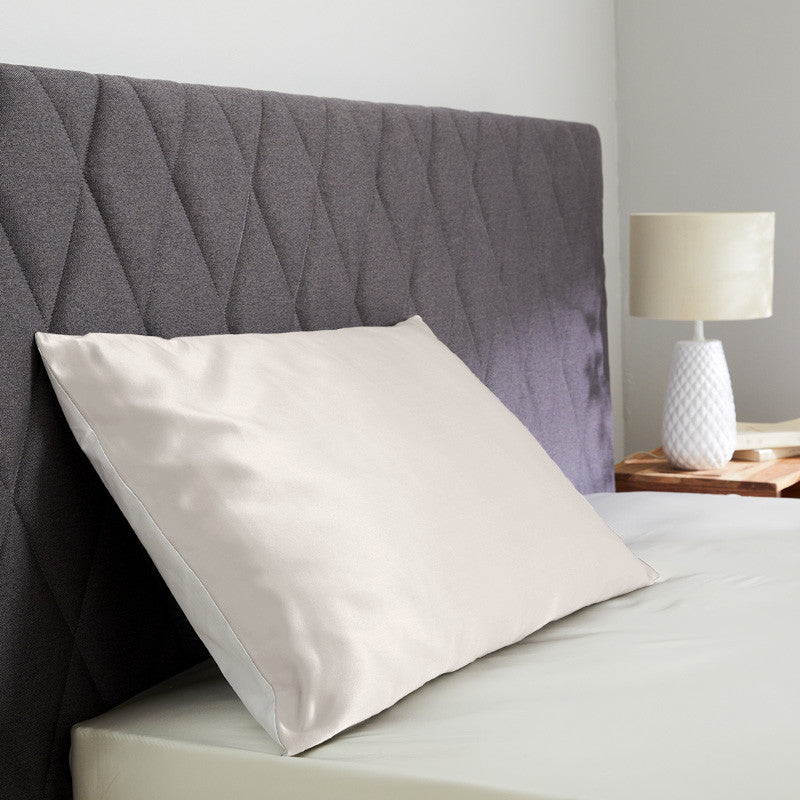
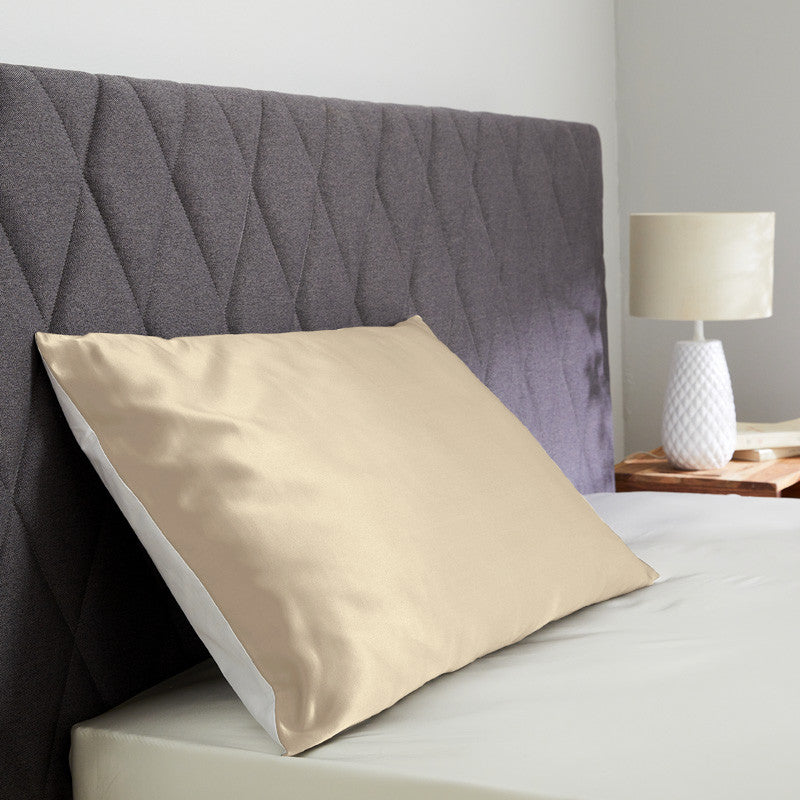
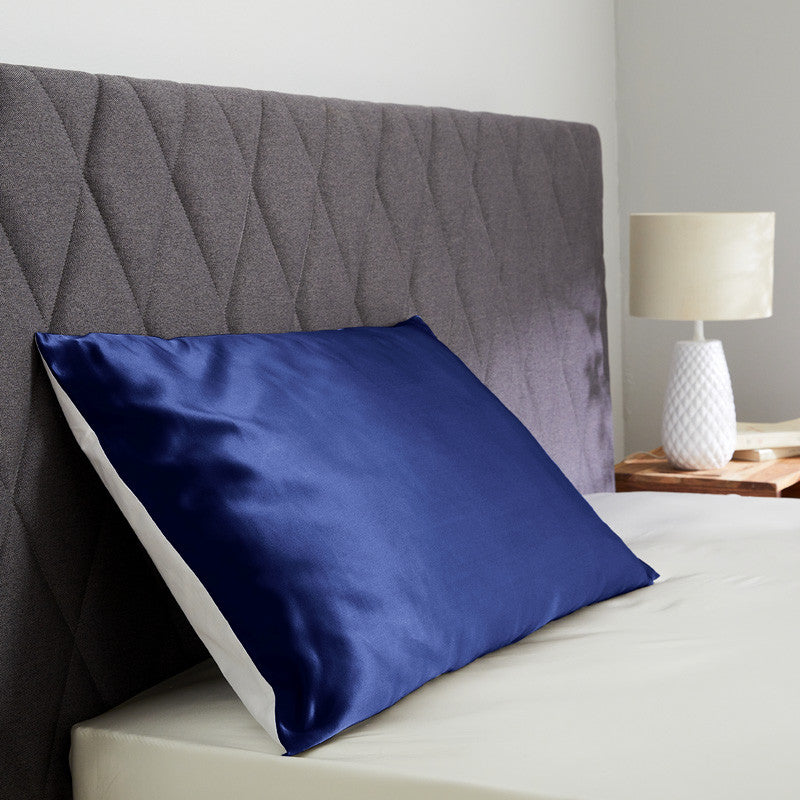
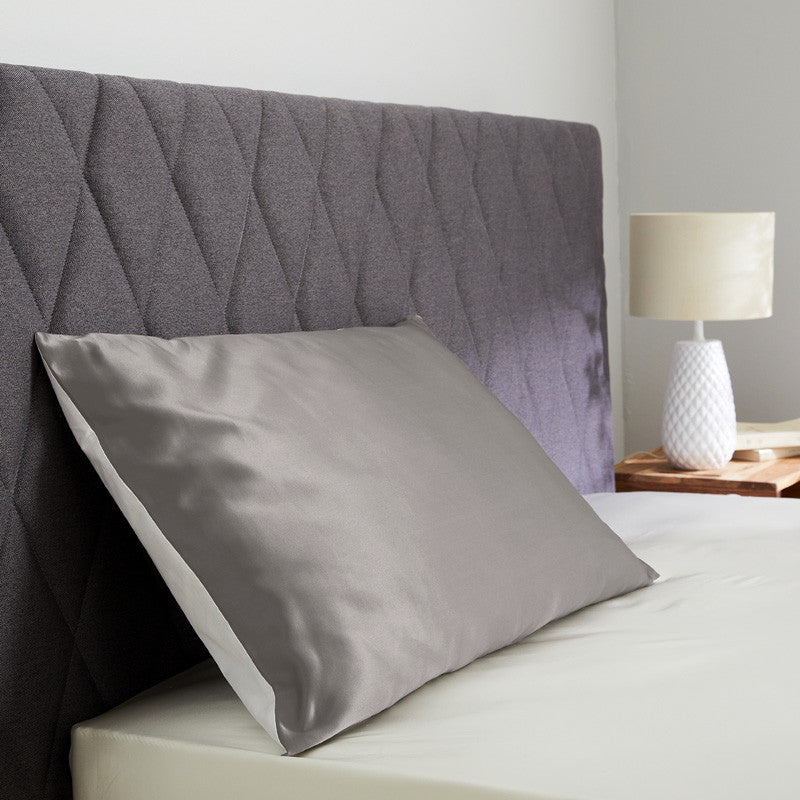
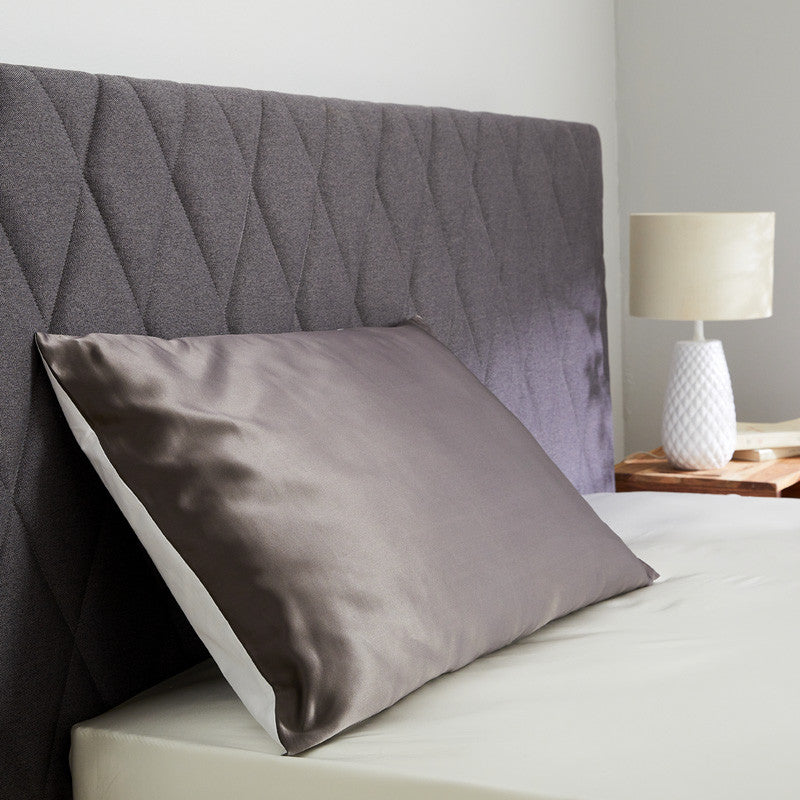
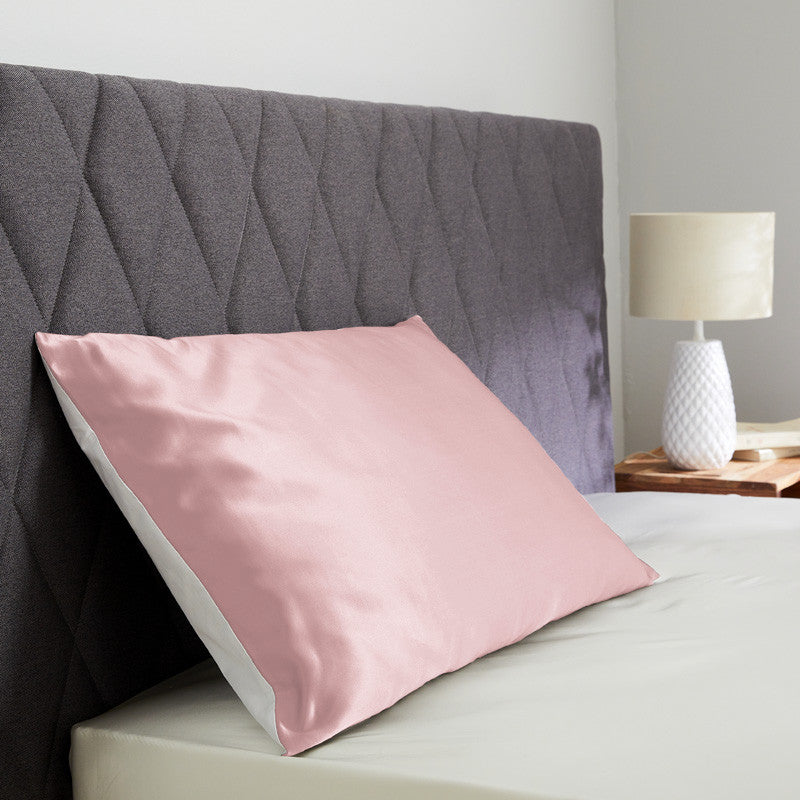
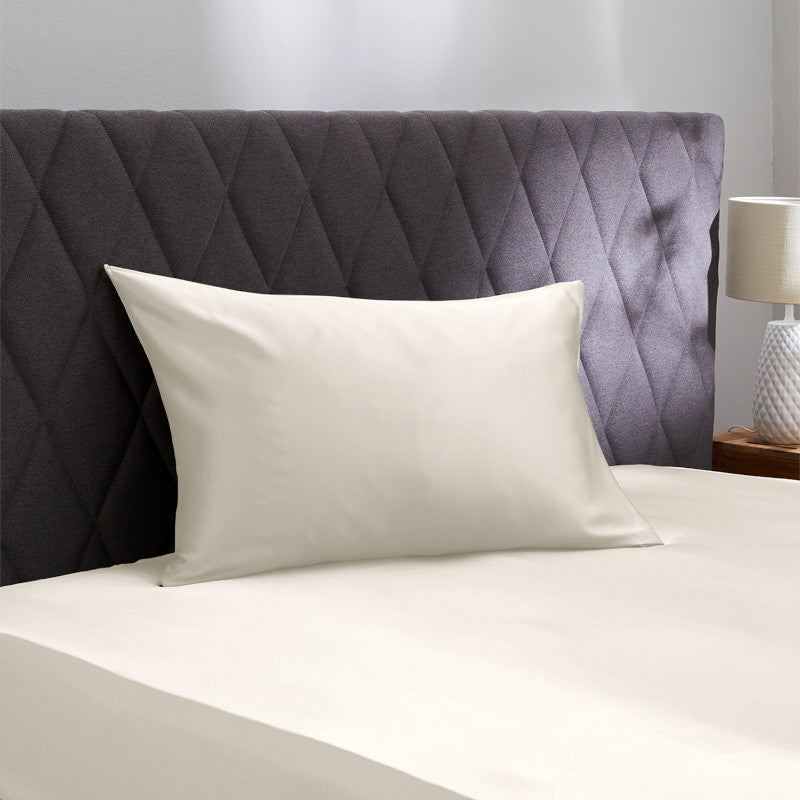
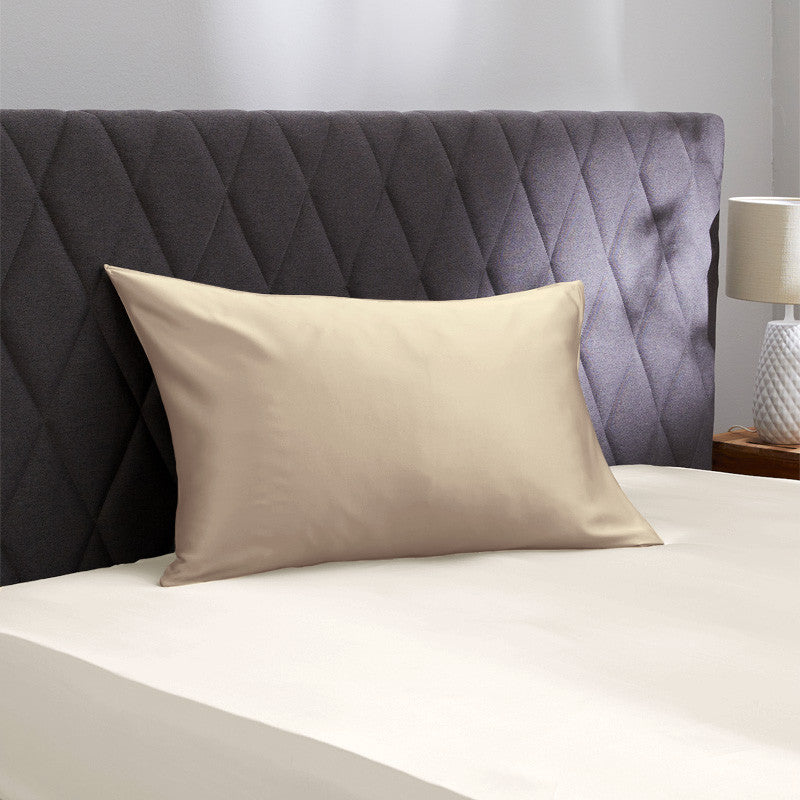
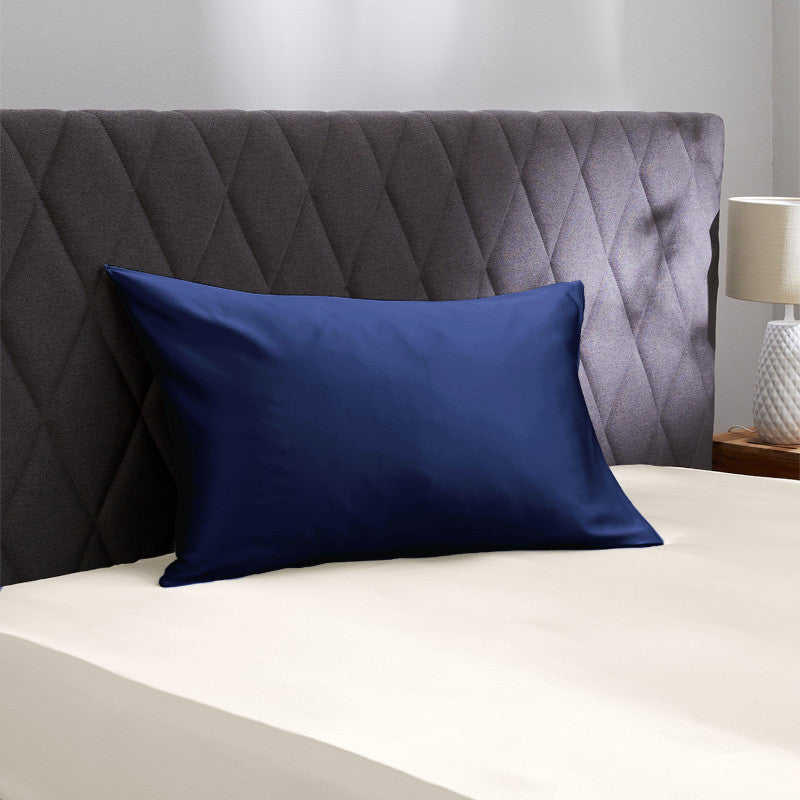
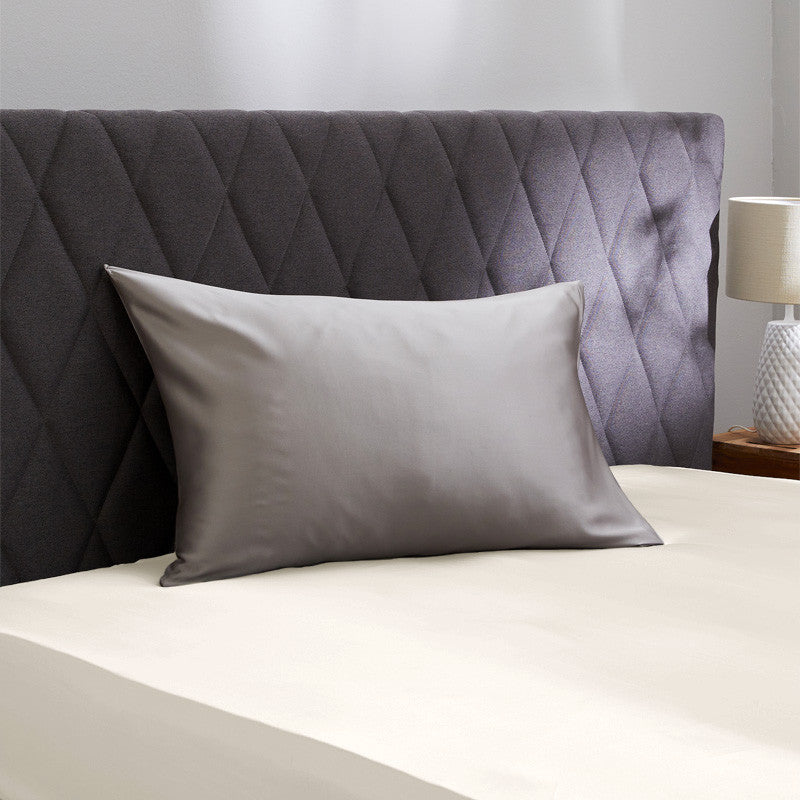
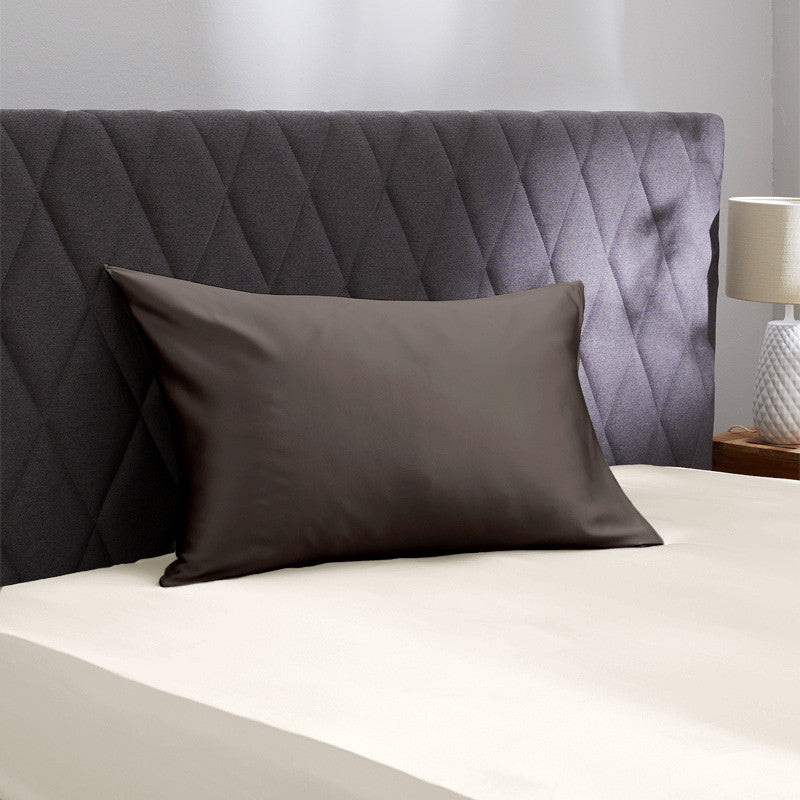
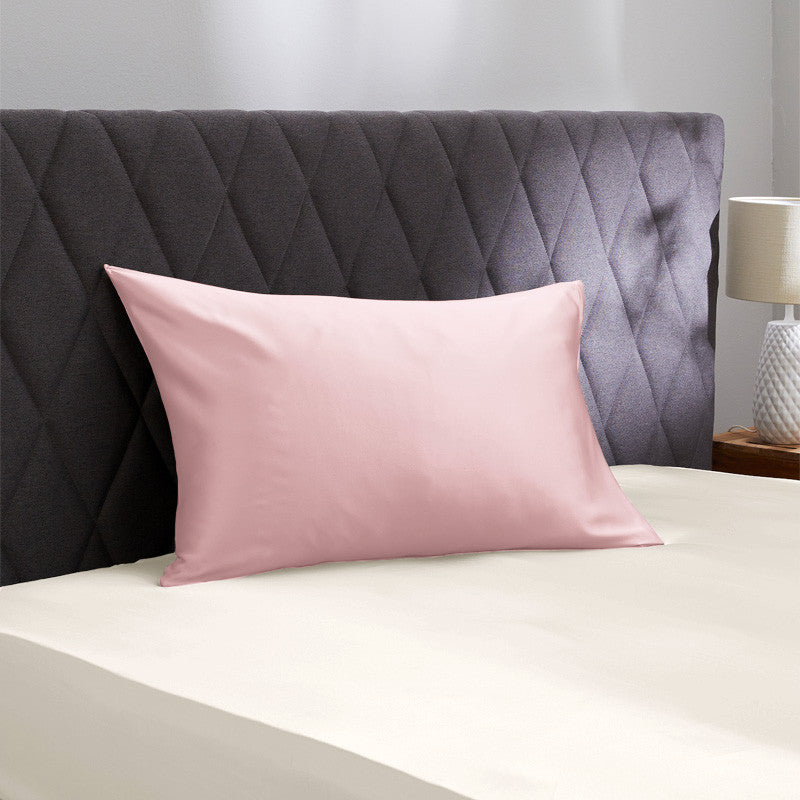
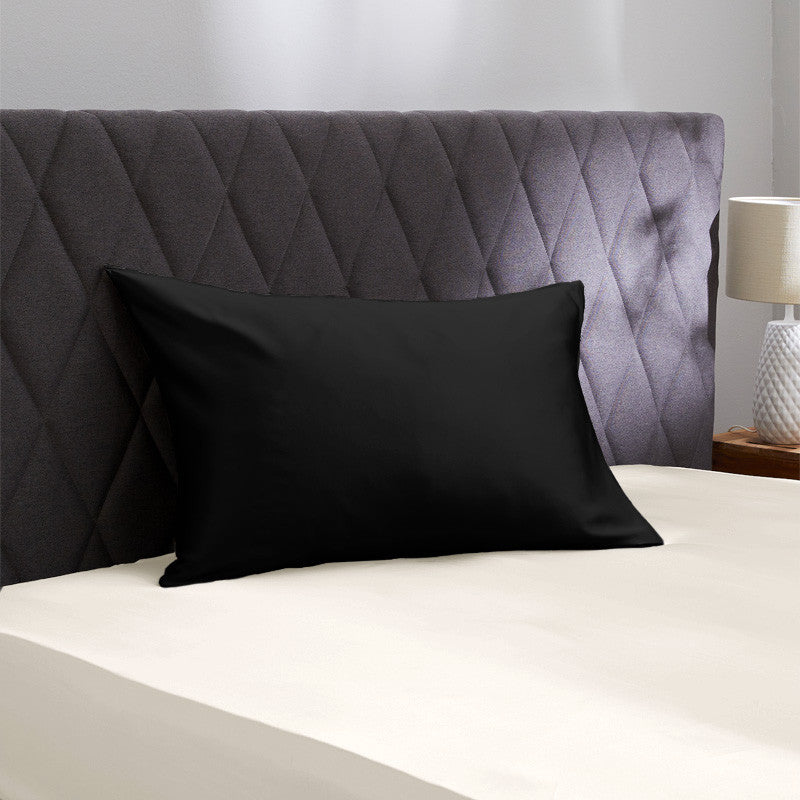
The silk pillowcase
A silk pillowcase limits friction, prevents irritation, and helps maintain the skin's natural hydration. Ideal for the face, neck, or areas frequently in contact with bedding.
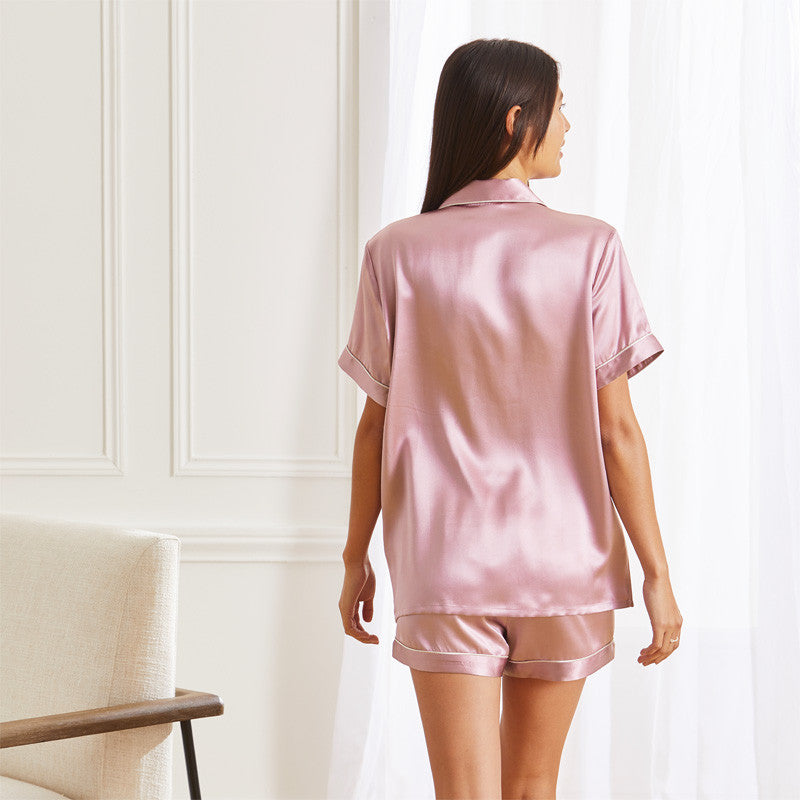
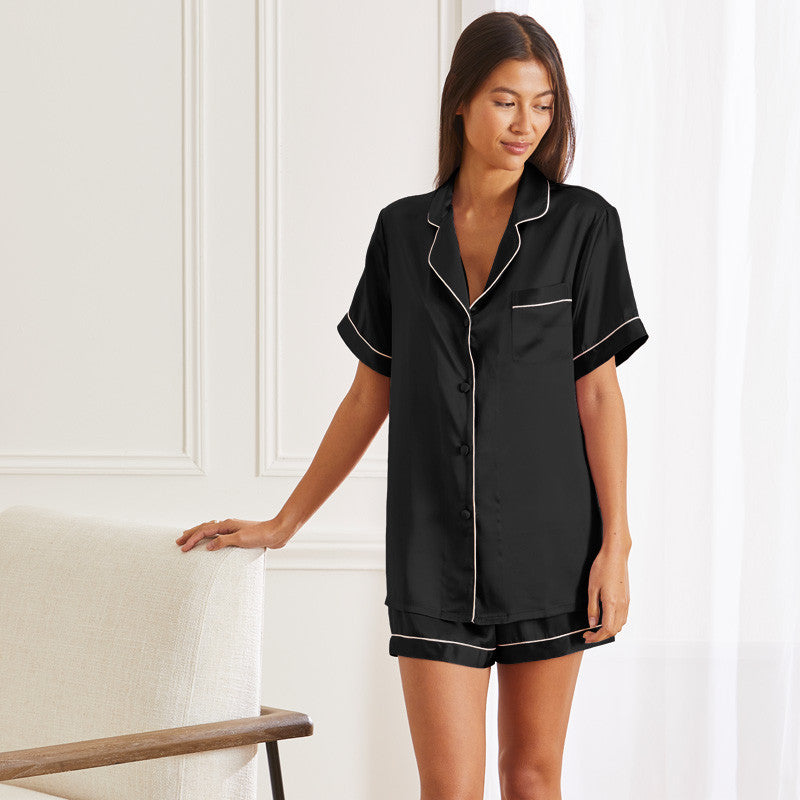
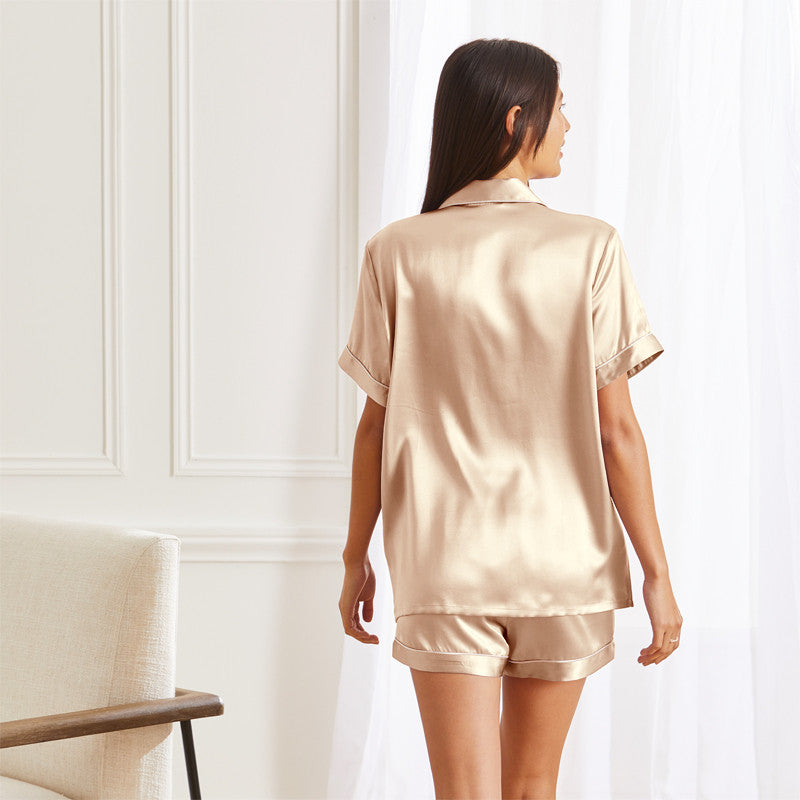
Silk pajamas for itch-free sleep
Wearing silk pajamas can significantly reduce nocturnal irritation. Thanks to its exceptional softness and ability to regulate temperature, silk limits friction and preserves skin hydration. For people prone to eczema, this comfort contributes to more peaceful sleep, less disturbed by itching.





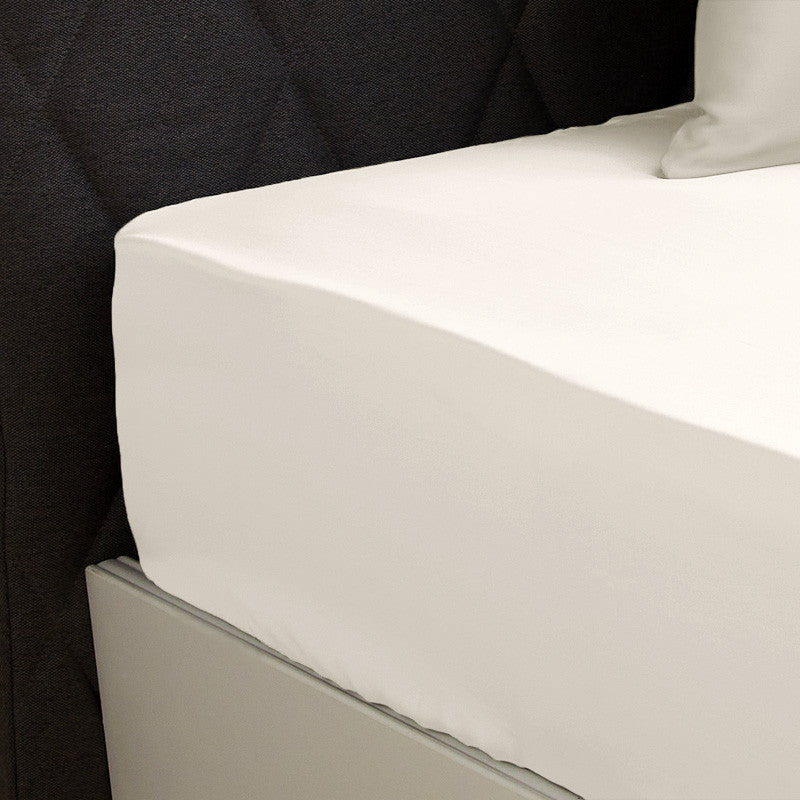
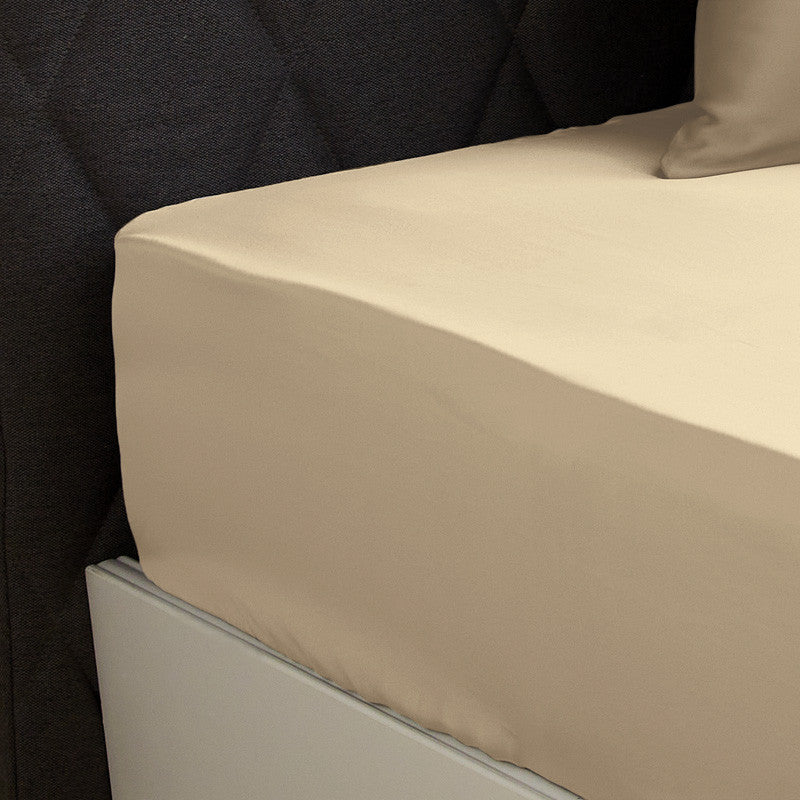
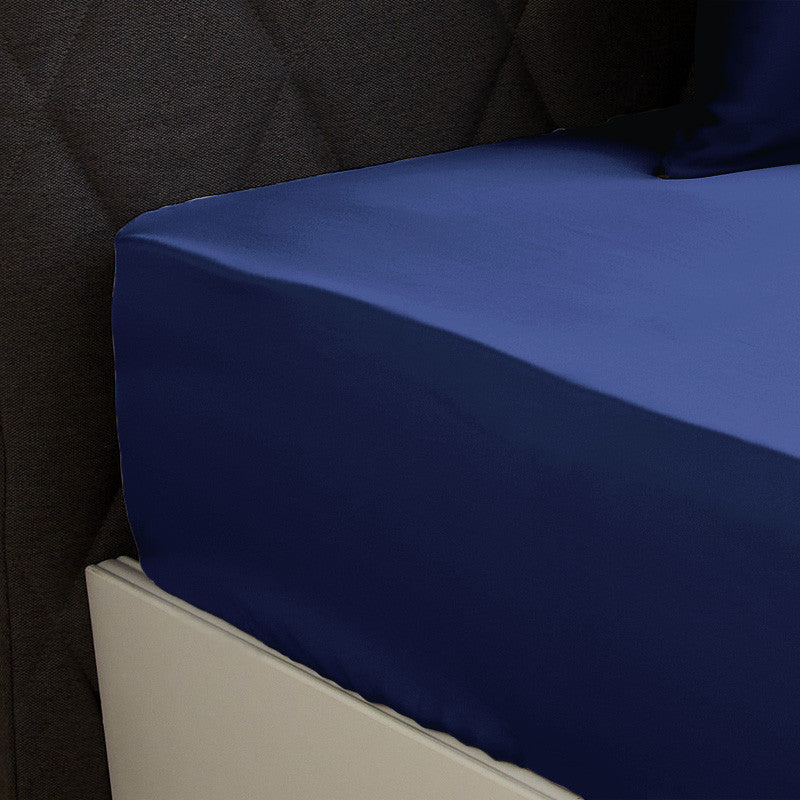
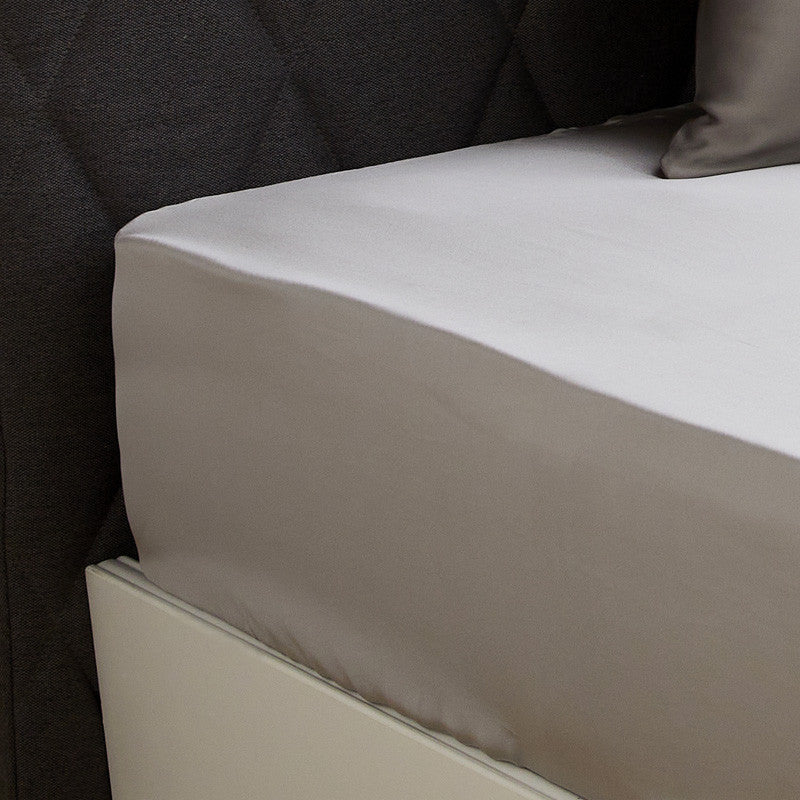
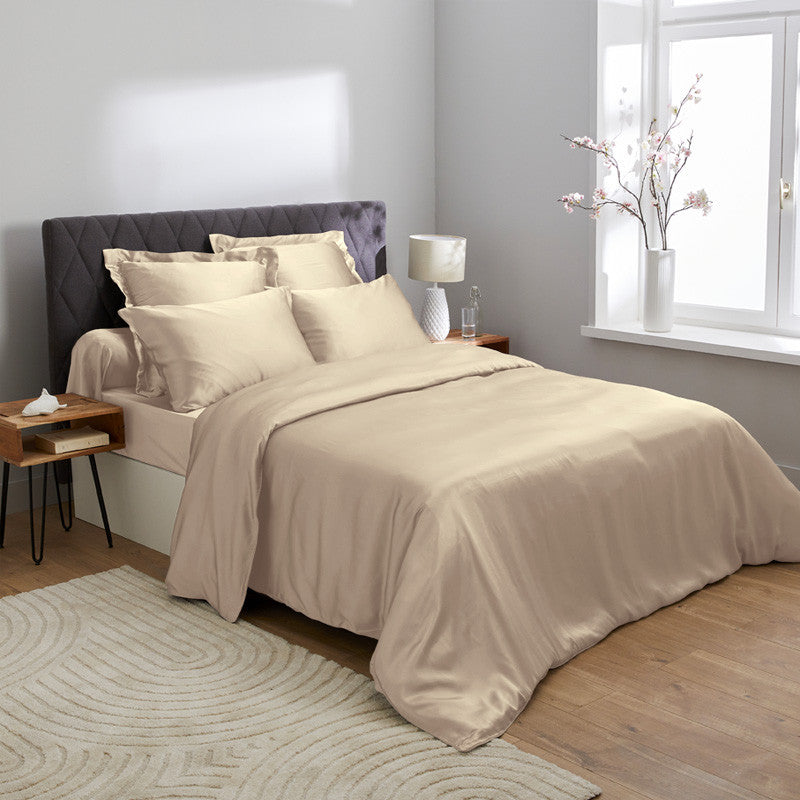
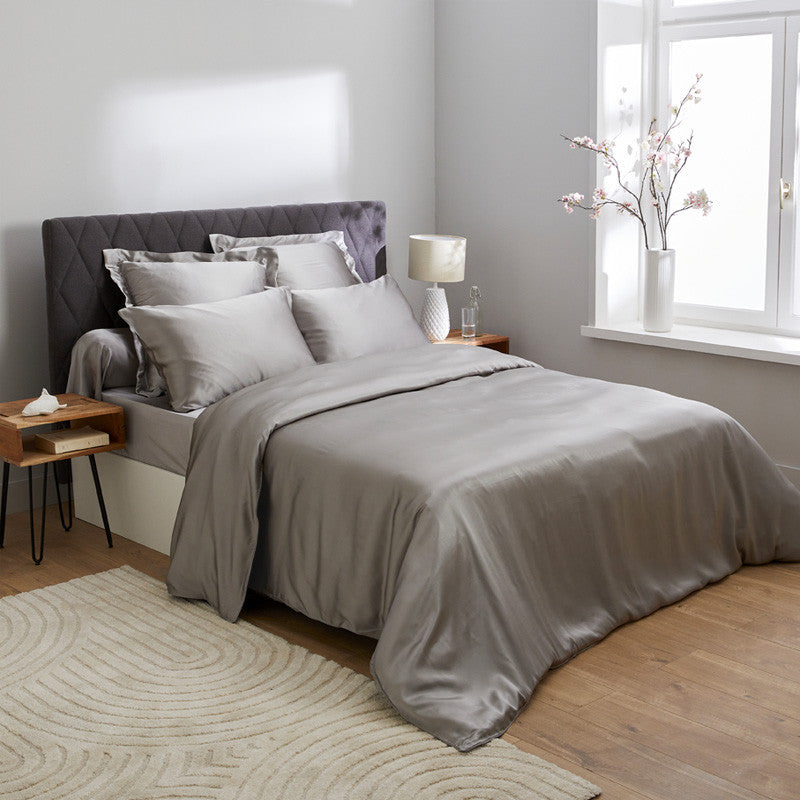
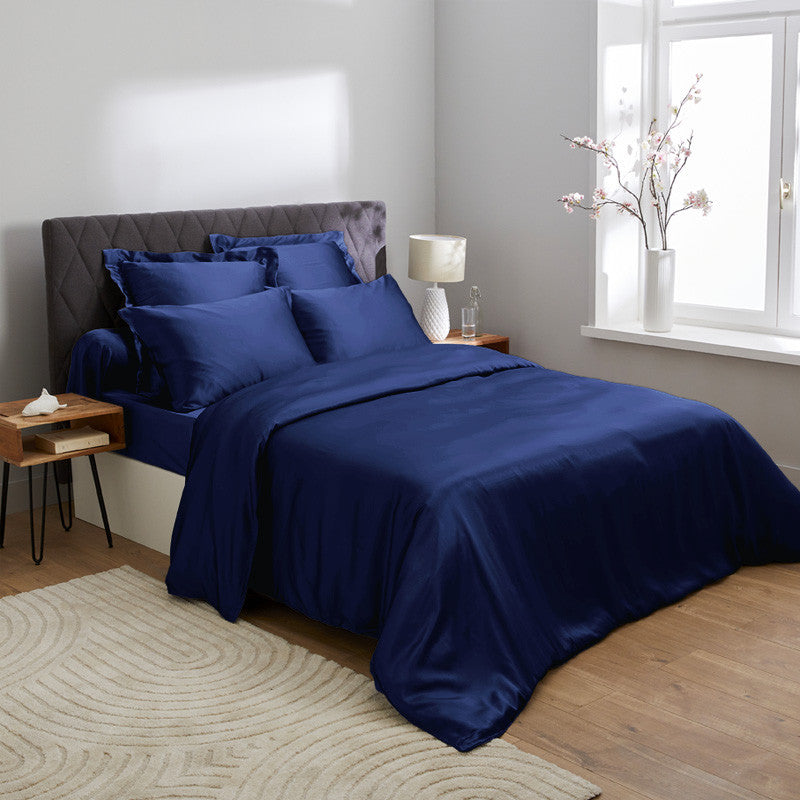
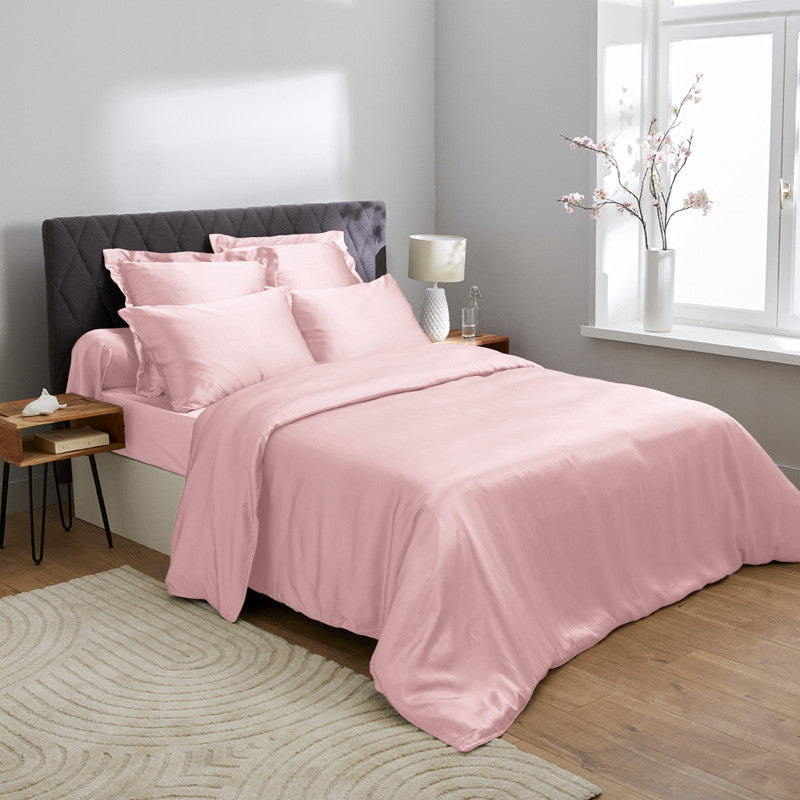
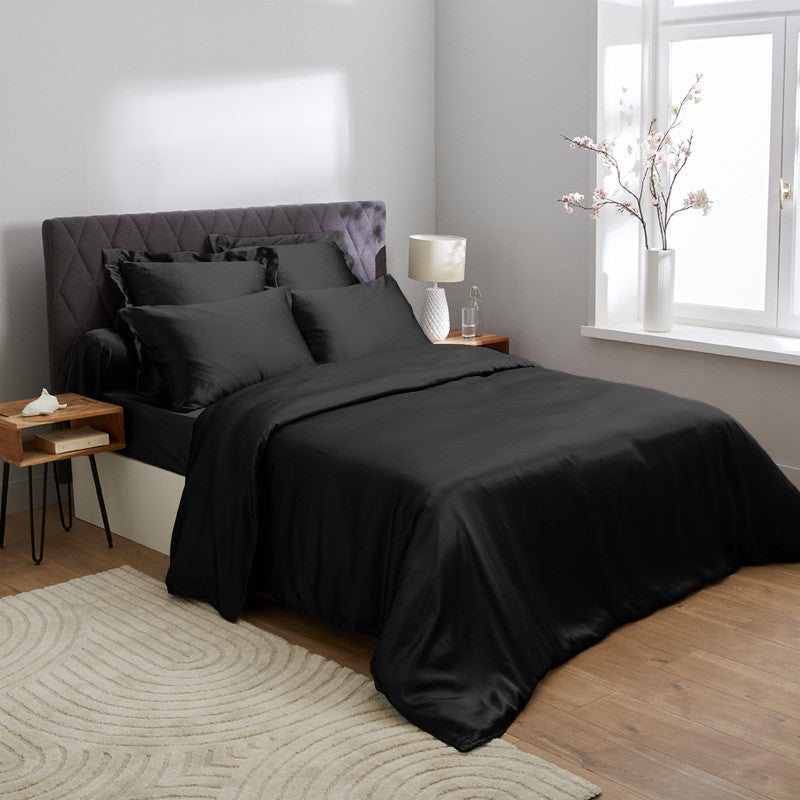
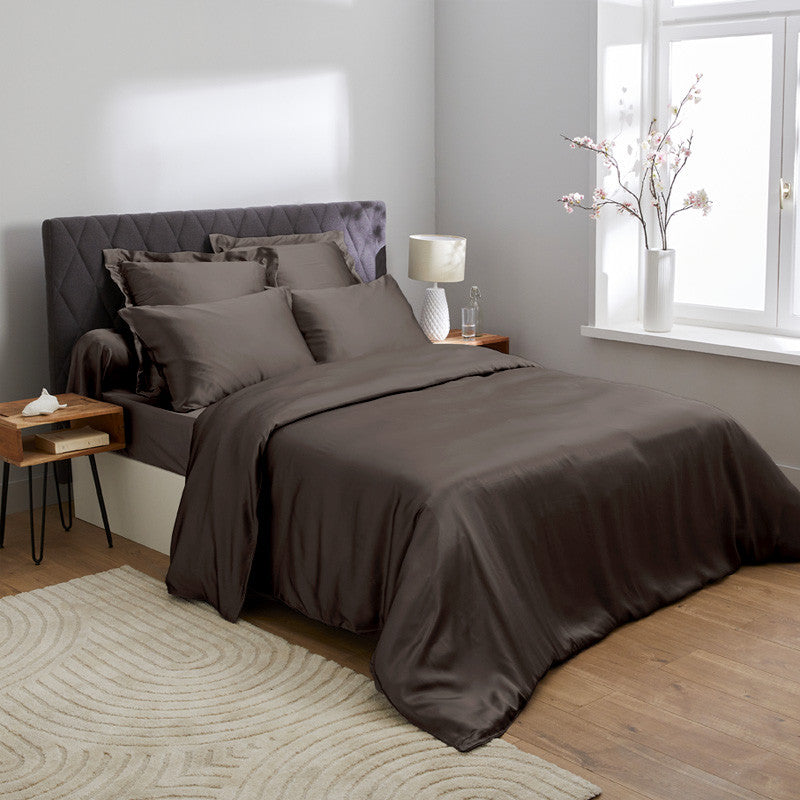
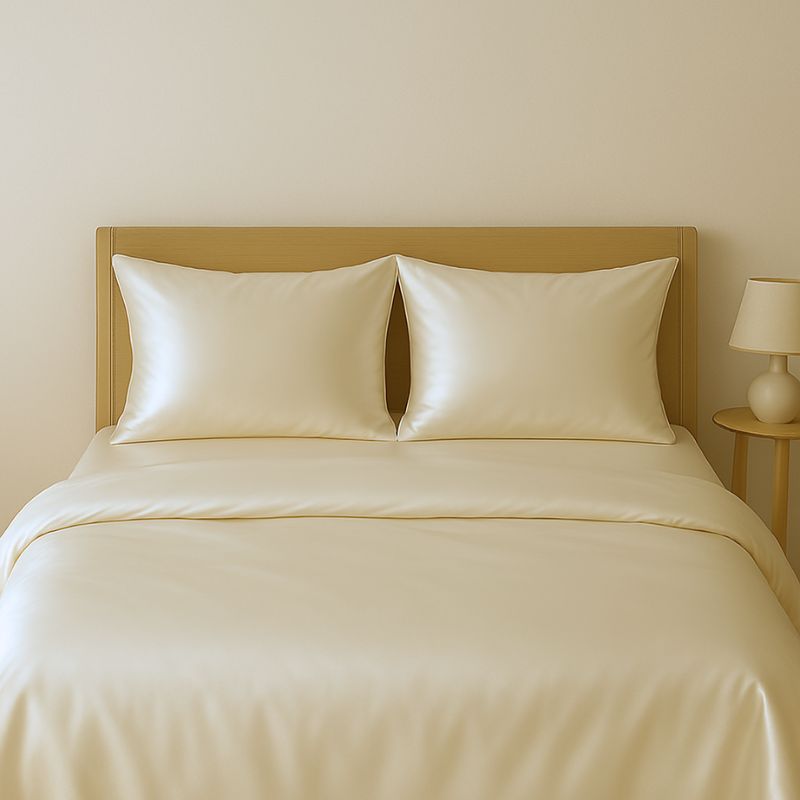
Silk bedding:
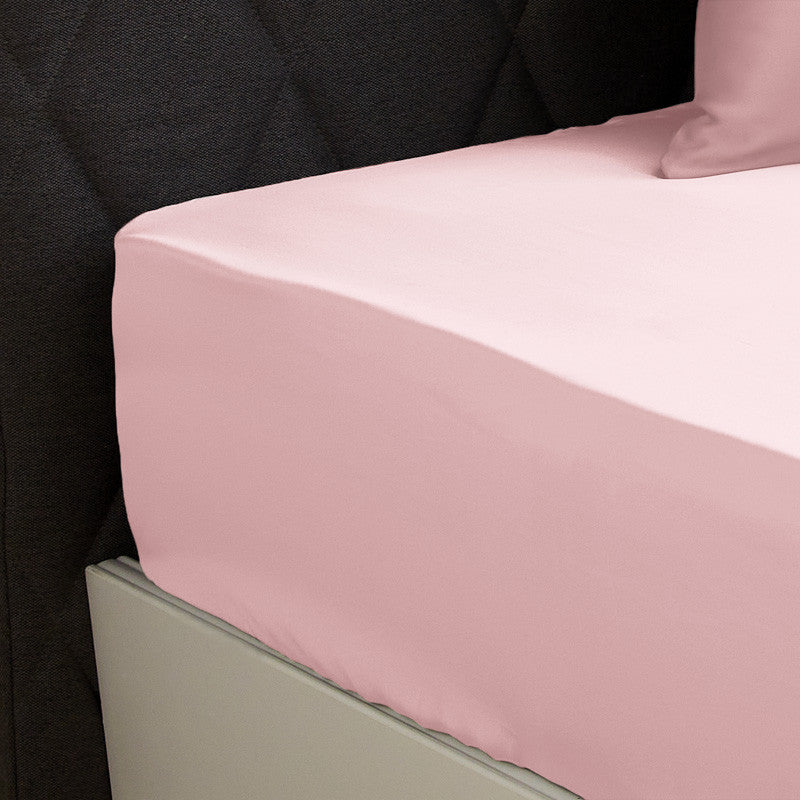
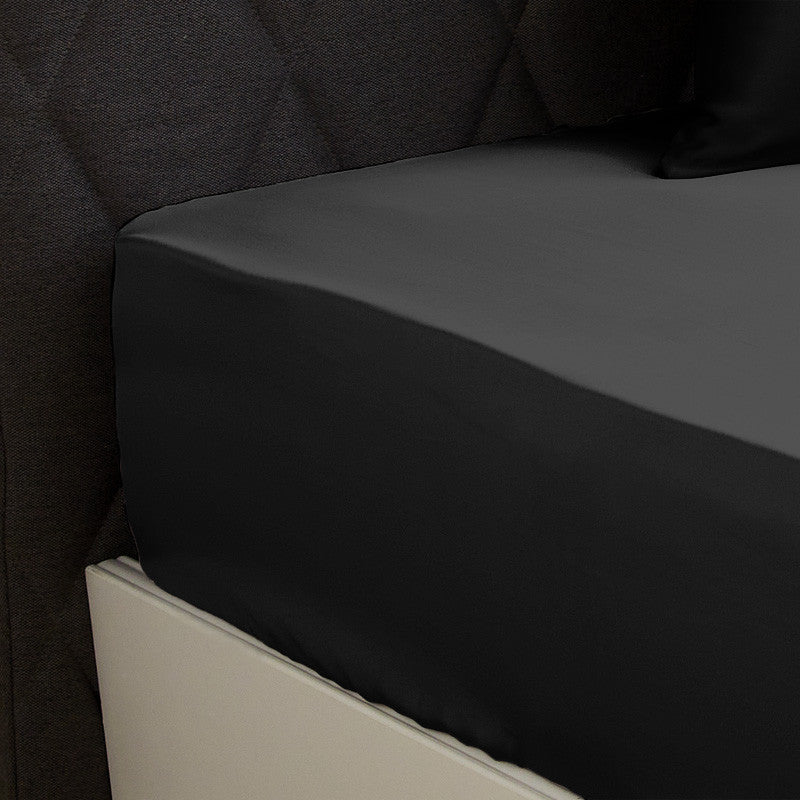
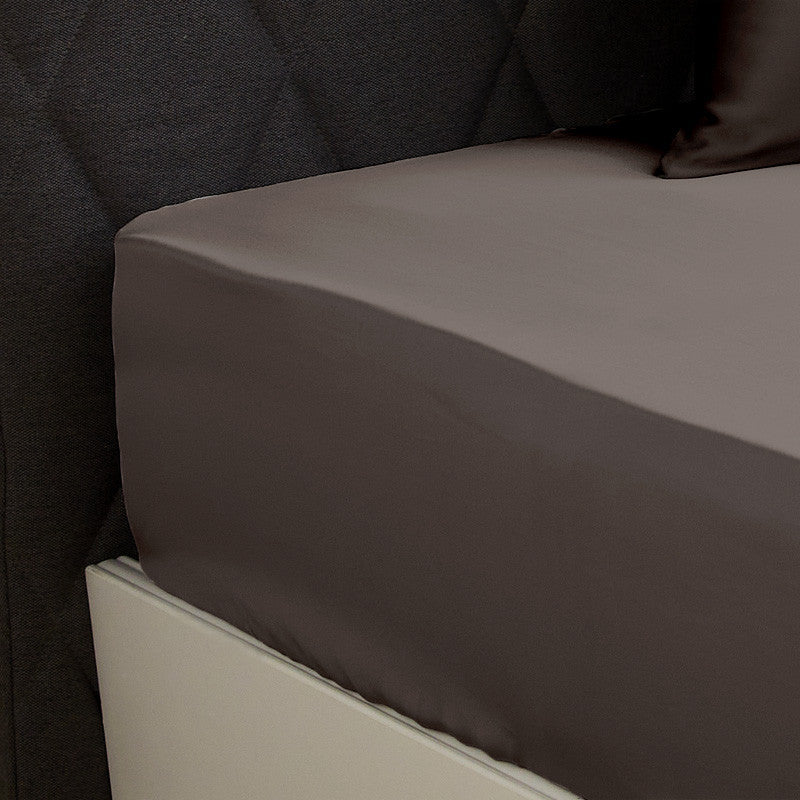
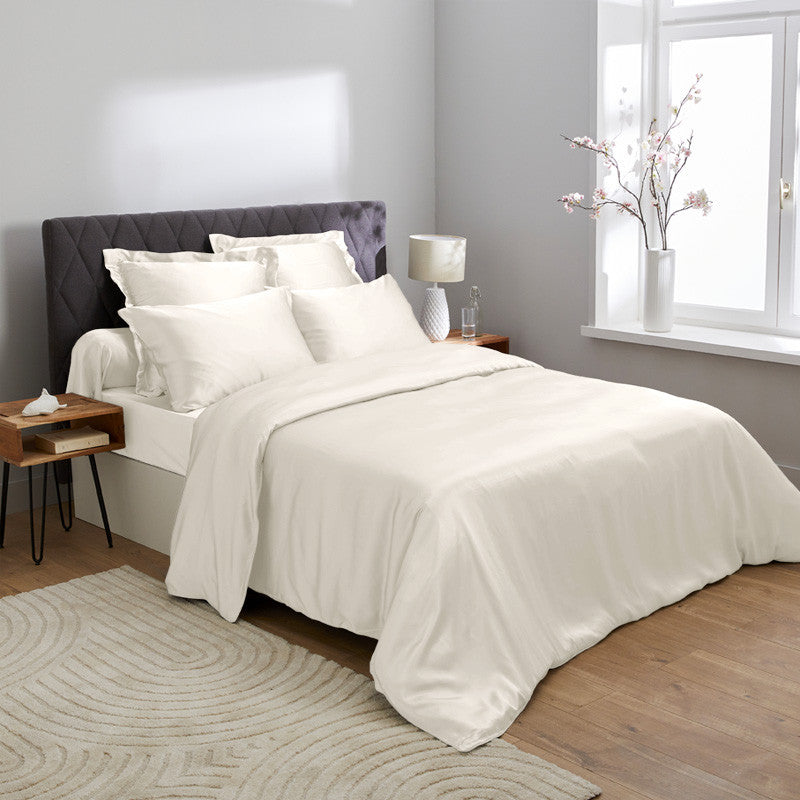
Silk bedding creates a complete hypoallergenic, breathable, and soothing environment. The skin benefits from gentle contact throughout the night.
Conclusion
The choice of textiles plays a decisive role in the daily comfort of people suffering from eczema. While cotton or bamboo may be suitable, silk stands out for its unique properties: softness, thermal regulation, and exceptional tolerance. By incorporating silk products into their routine, it is possible to create a healthy environment better suited to atopic skin.
For peaceful sleep
To limit irritation, every detail counts. Silk offers incomparable softness and a protective feeling day after day. Choose fibers that respect your atopic skin.


Leave a comment