


Every day, our hair is subjected to invisible aggressions: rubbing against clothes, repeated handling, contact with drying materials... Gradually, the hair fiber weakens, the ends become brittle, and breakage sets in.
Adopting a protective hairstyle then seems like an obvious choice. But not all of them are equal, and some, poorly executed, can even have the opposite effect.
In this article, discover 5 truly effective protective hairstyles, as well as the essential steps to preserve all their benefits, particularly thanks to the incomparable softness of silk, through adapted accessories such as the silk sleep cap, silk scrunchies, or silk scarves.
What is a protective hairstyle (and why your hair needs one)?
Everyday invisible aggressions
Even without heat or coloring, hair gets damaged: rubbing against textiles, repeated styling, progressive dehydration... These micro-aggressions weaken the hair fiber.
The benefits of a protective hairstyle
An adapted hairstyle helps limit manipulation, reduce friction, and preserve natural hydration. Hair becomes softer, more resistant, and less prone to breakage.
Common mistakes to avoid
- Too tight hairstyles
- Aggressive elastic bands
- Lack of night protection
Why a protective hairstyle is not enough without nocturnal protection?
The role of rubbing during the night
During sleep, hair rubs against the pillow. Cotton, linen, or synthetic pillowcase material accentuates breakage and absorbs natural hydration. Even a protective hairstyle can therefore lose some of its benefits if it is not accompanied by adequate protection.
Silk, a natural ally for hair
Thanks to its smooth and soft surface, silk reduces friction and helps maintain hair hydration. This makes it a particularly interesting material for extending the effectiveness of a protective hairstyle during the night.
Essentials for optimal protection
In other words, a protective hairstyle works best when combined with an accessory that also respects the hair fiber.
5 protective hairstyles to adopt daily
1. The loose low bun
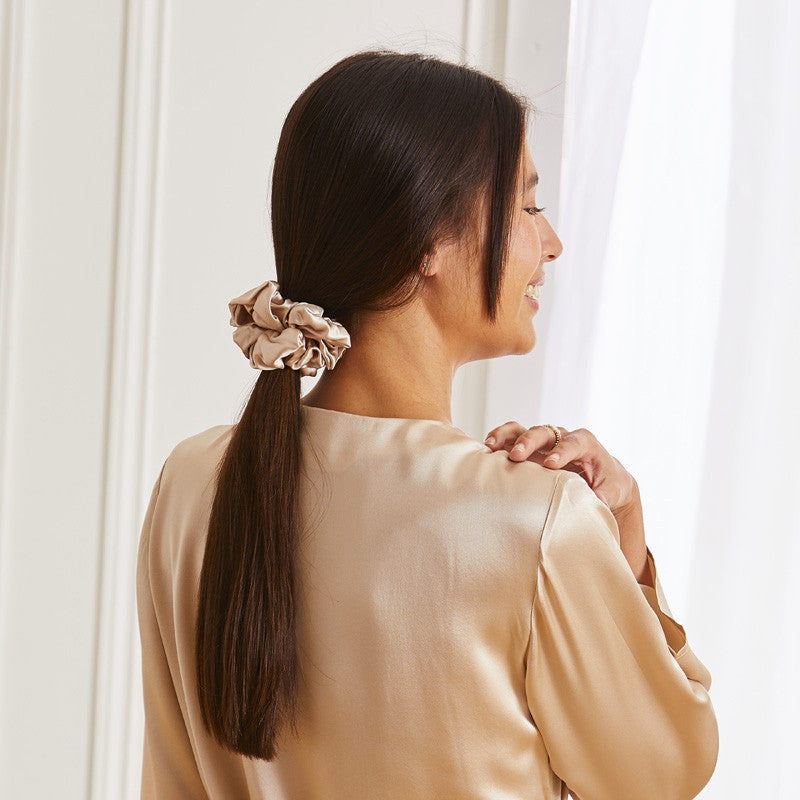
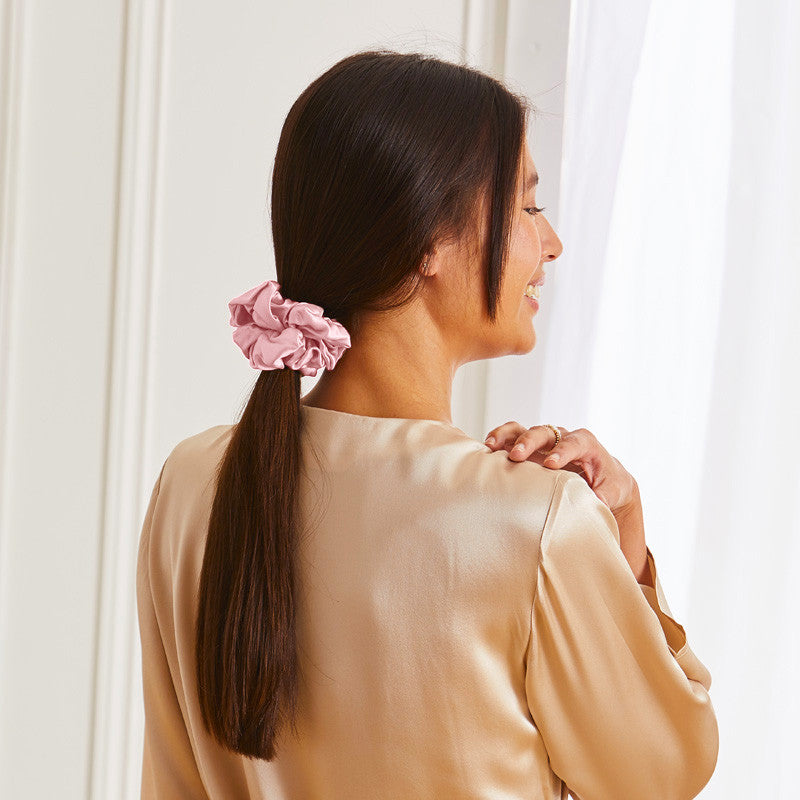
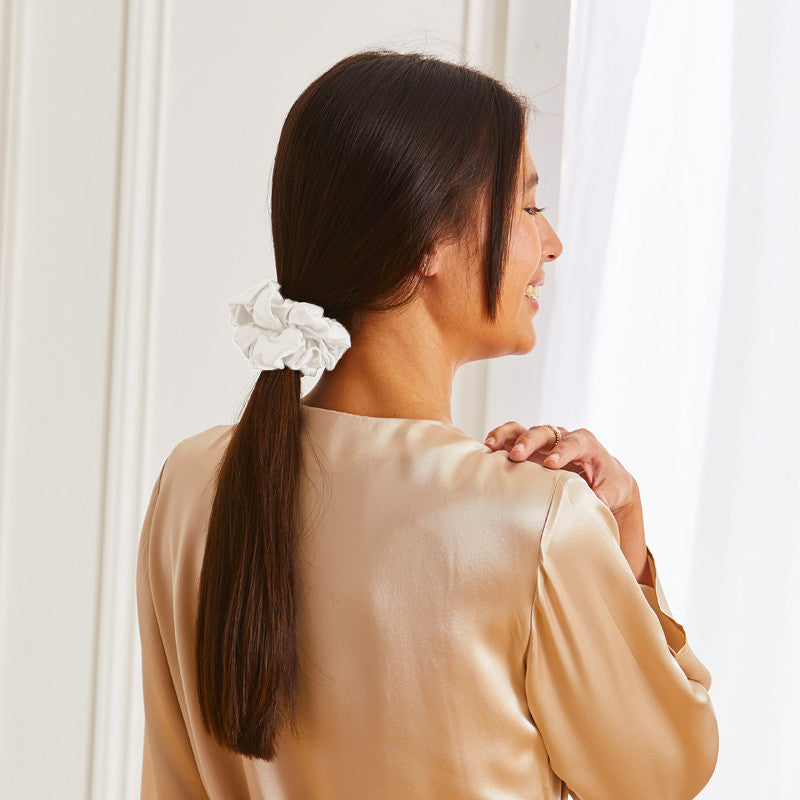
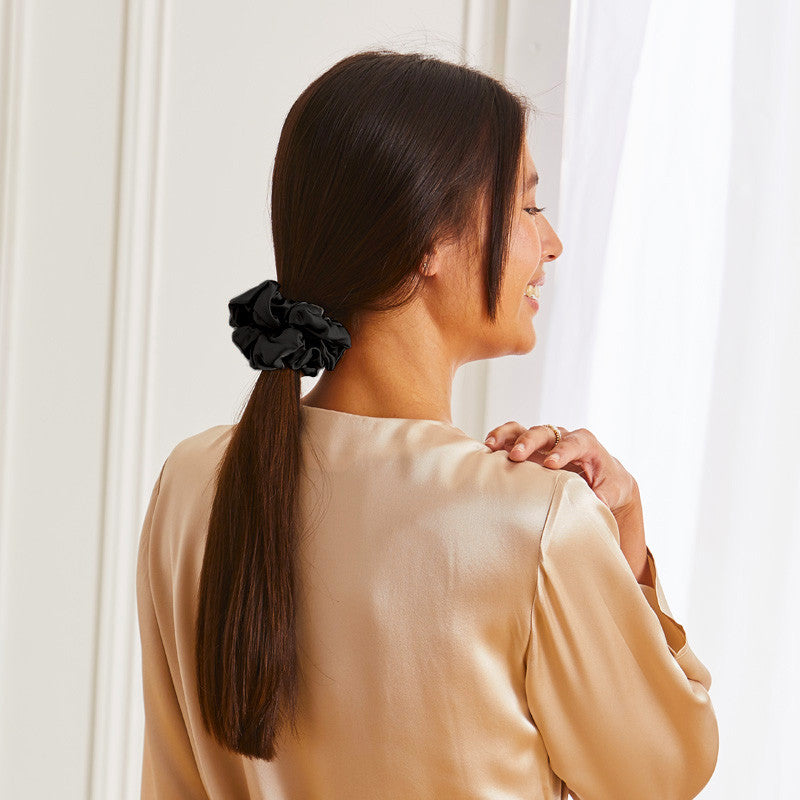
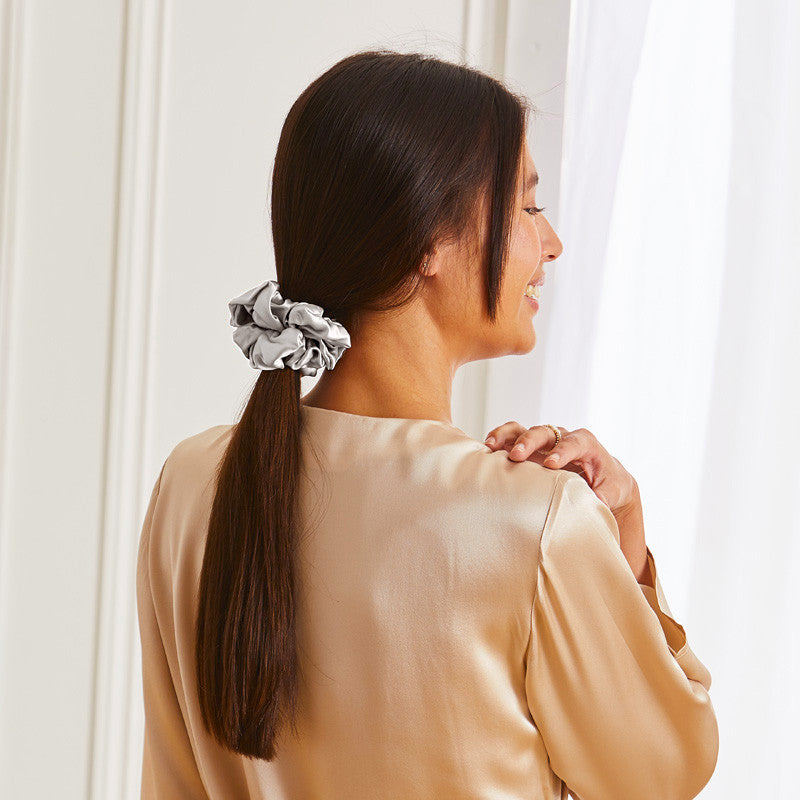
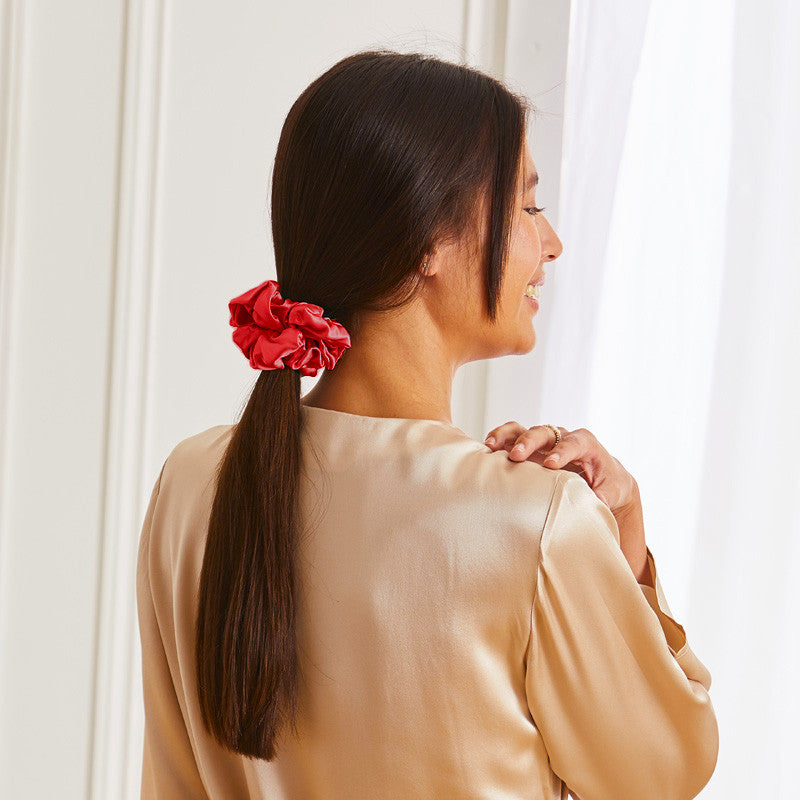
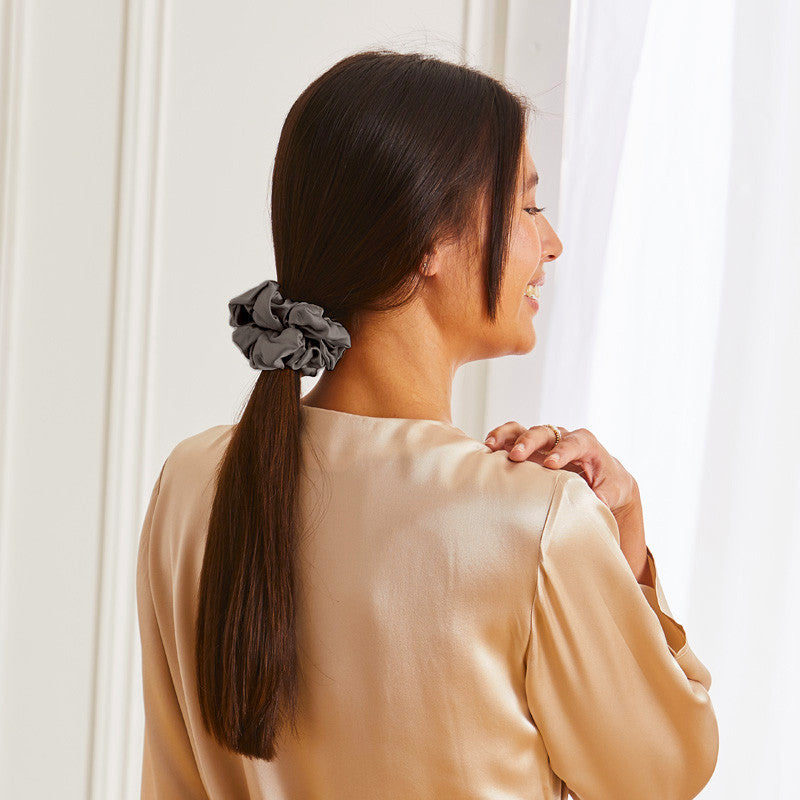
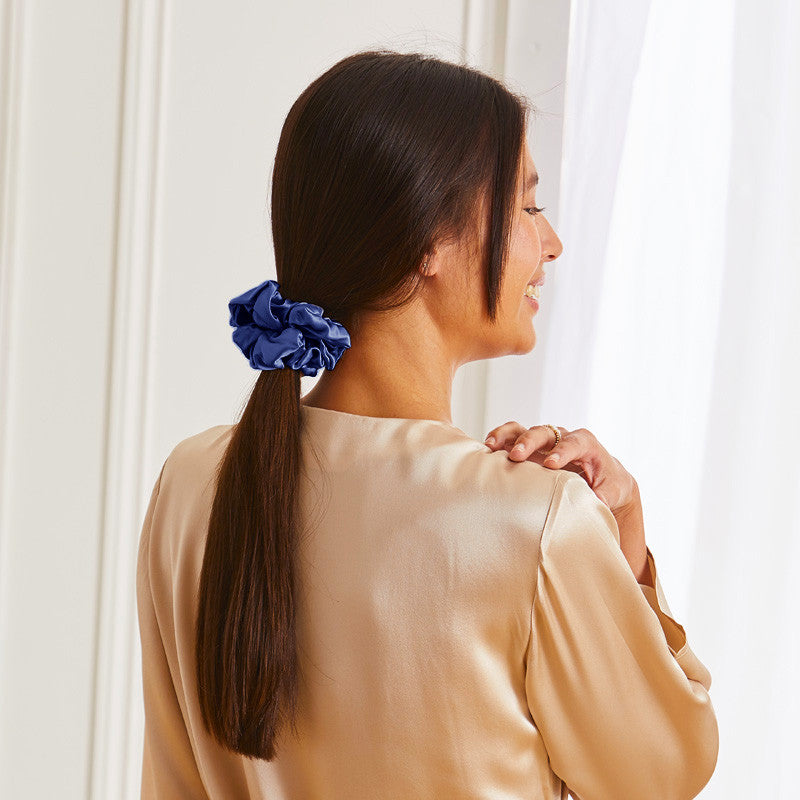
Elegant and easy to create, it limits friction and protects the lengths. It's a simple hairstyle to adopt daily, for both straight and wavy or slightly curly hair.
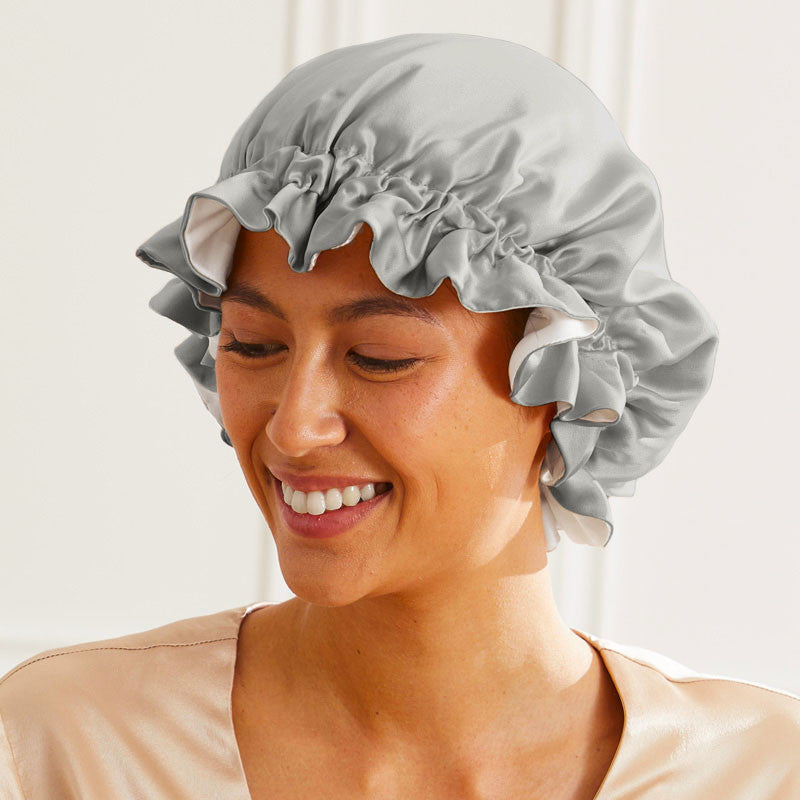
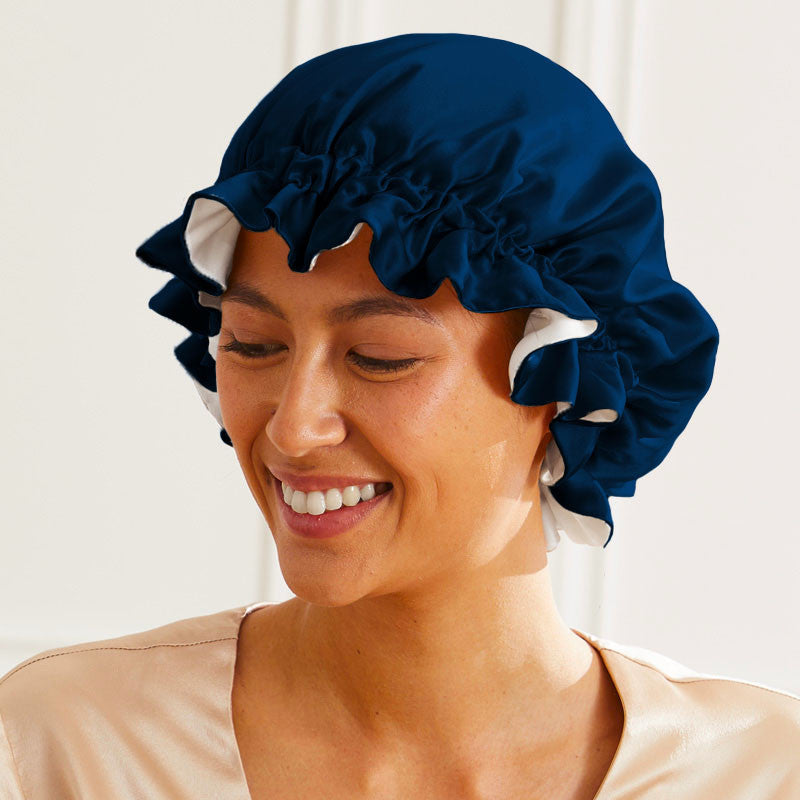
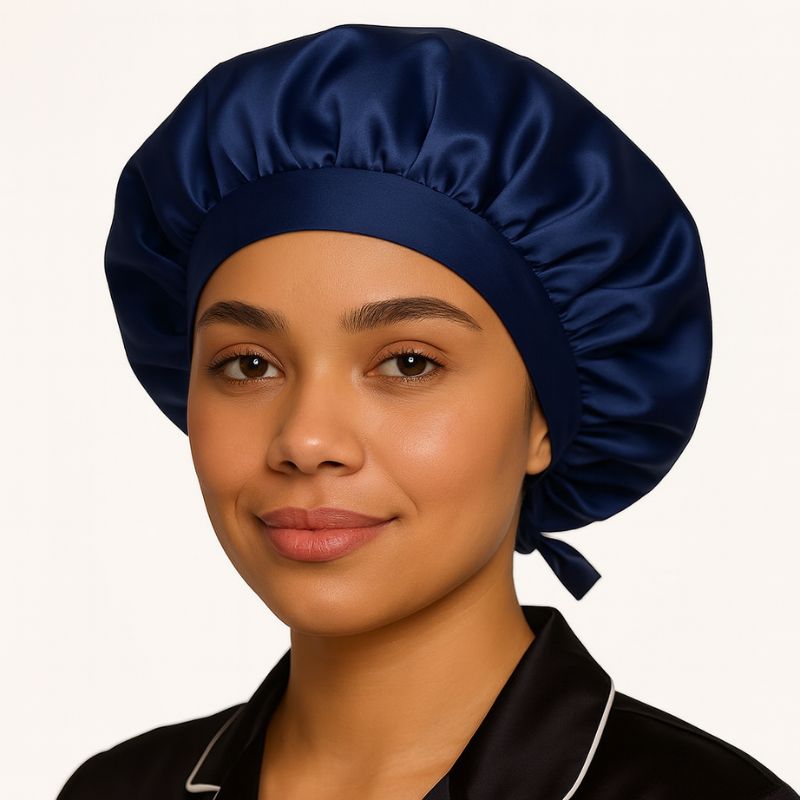
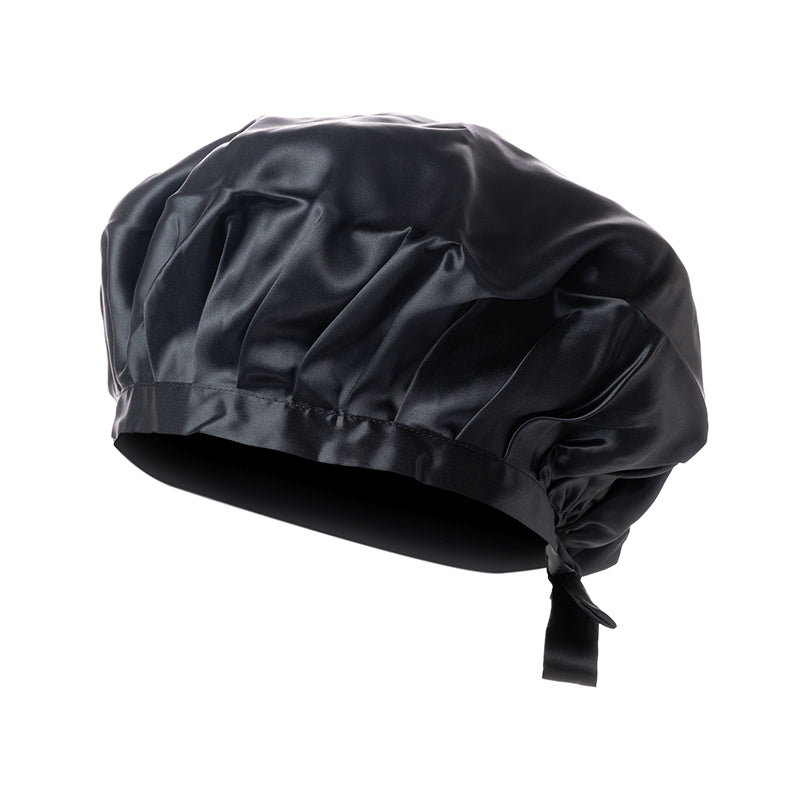
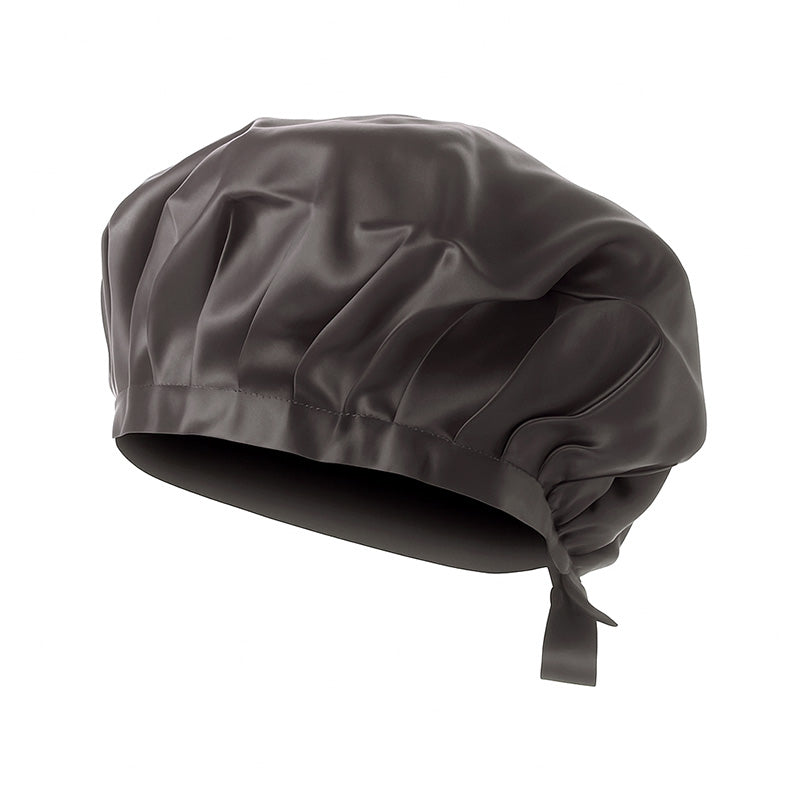
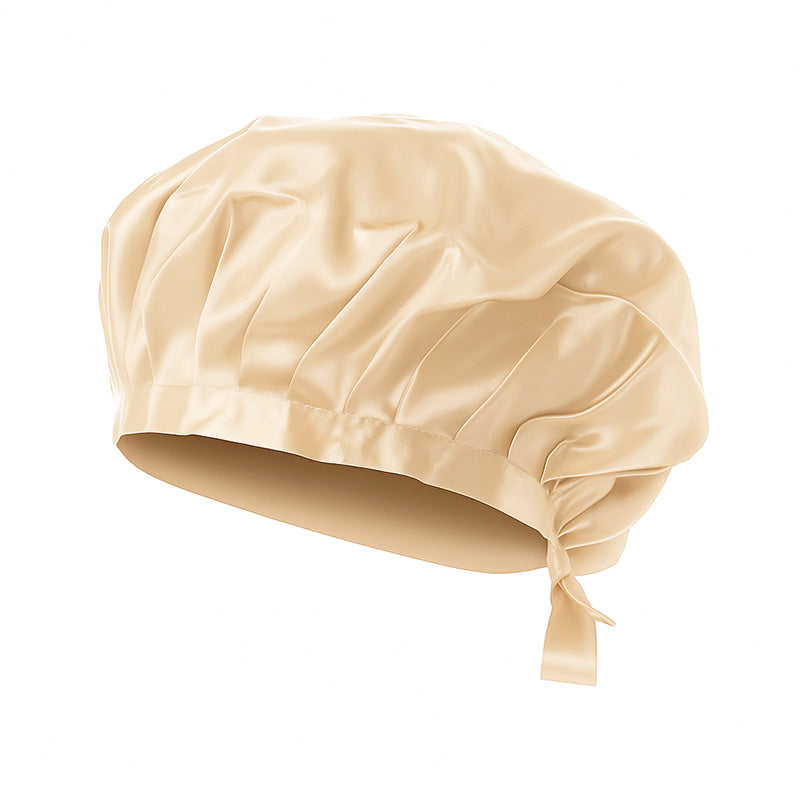
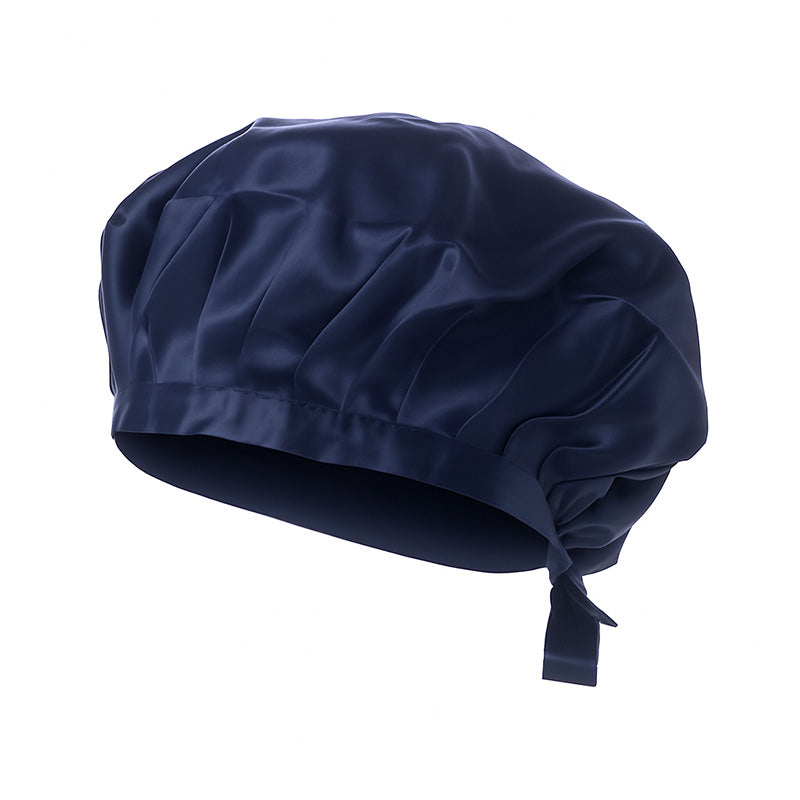
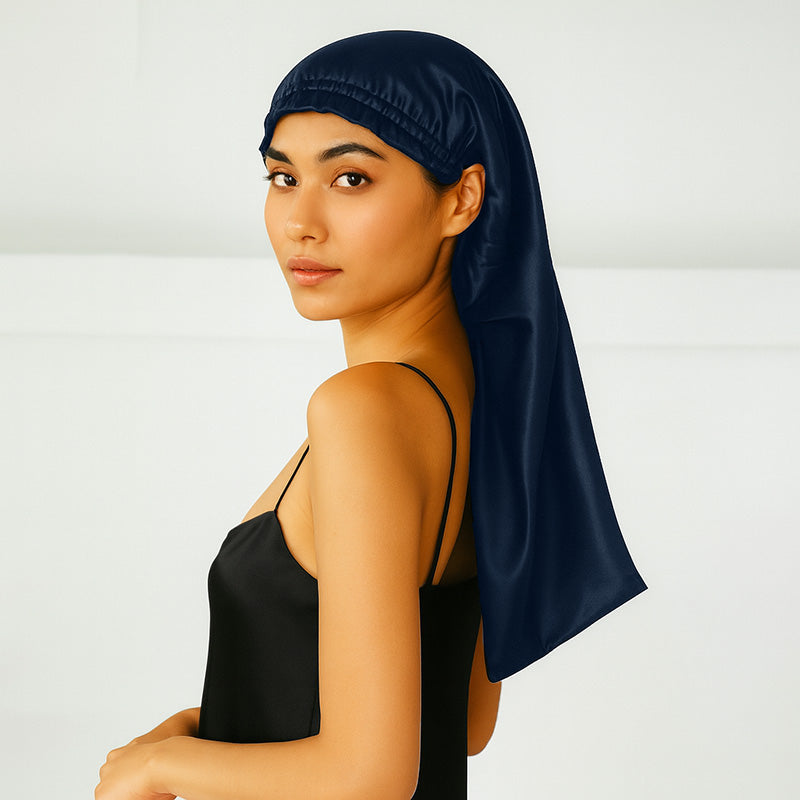
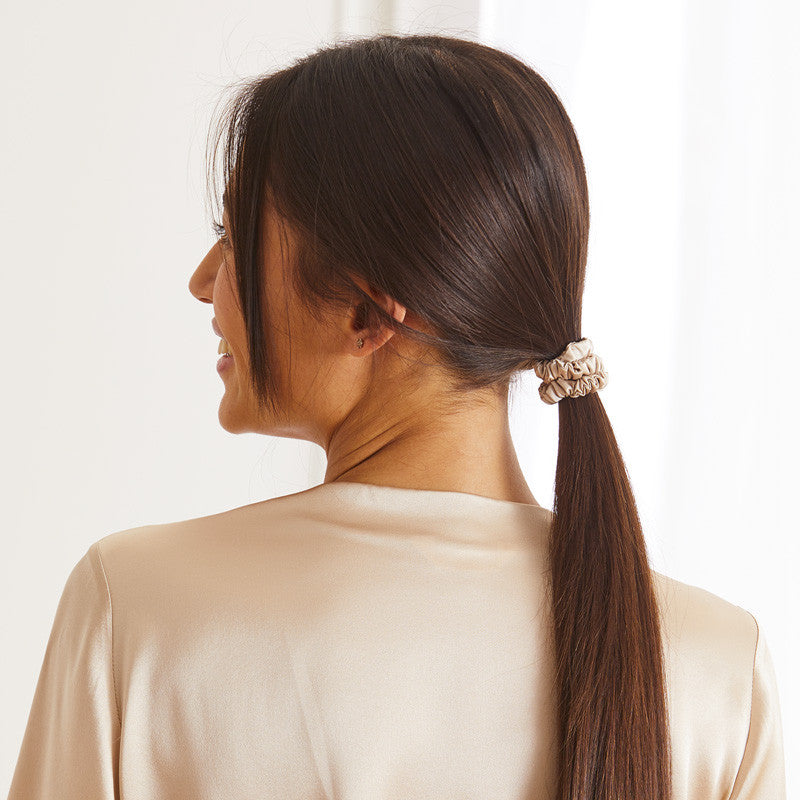
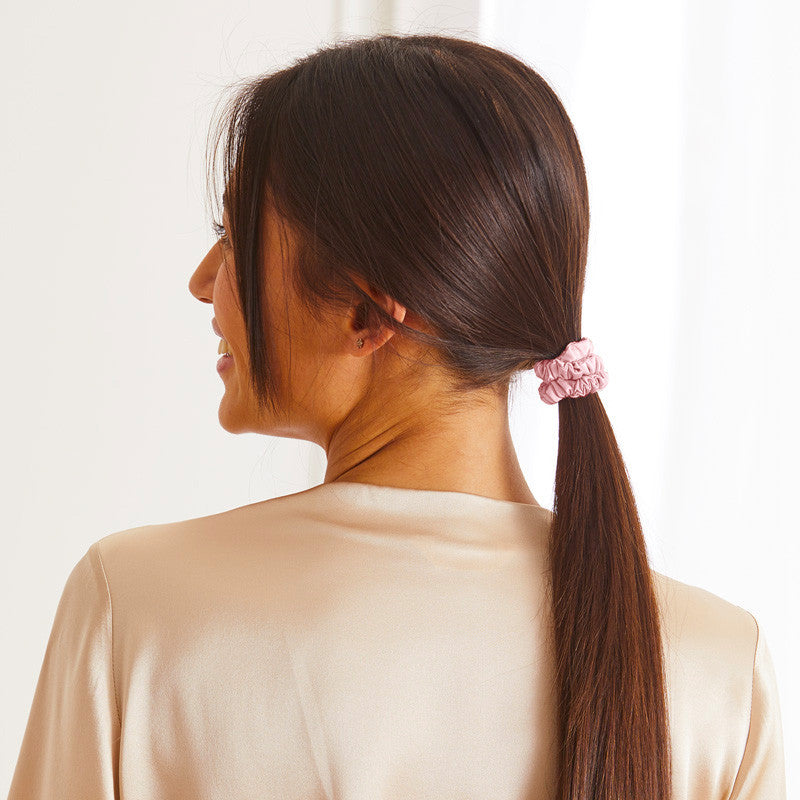
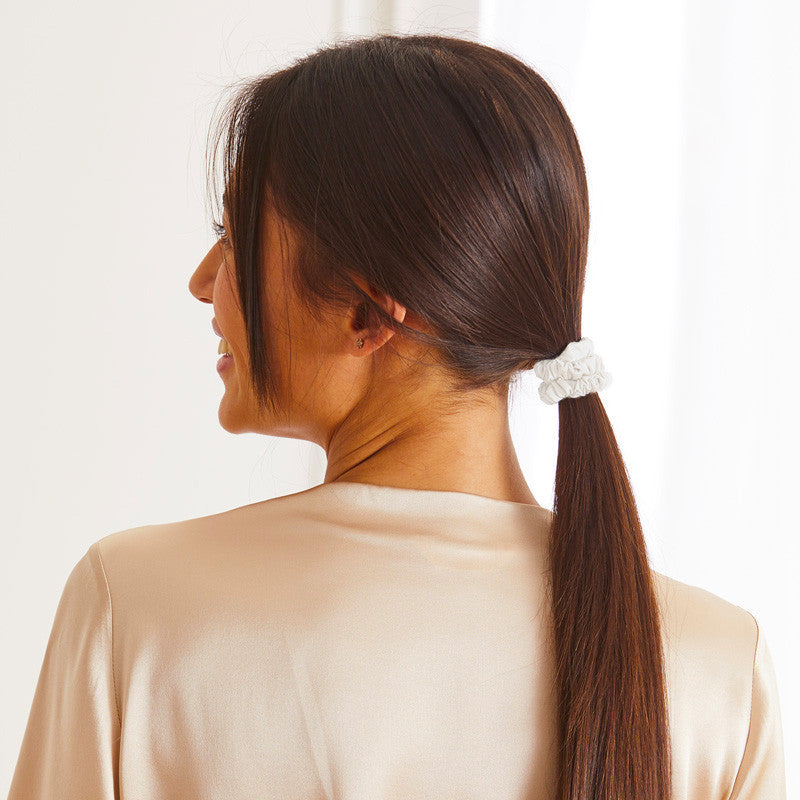
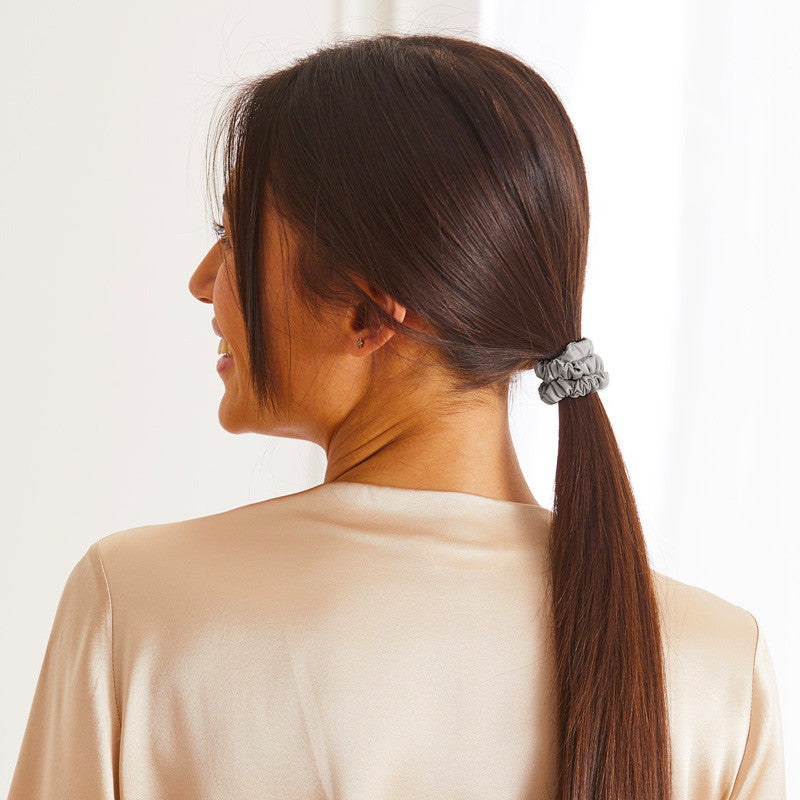
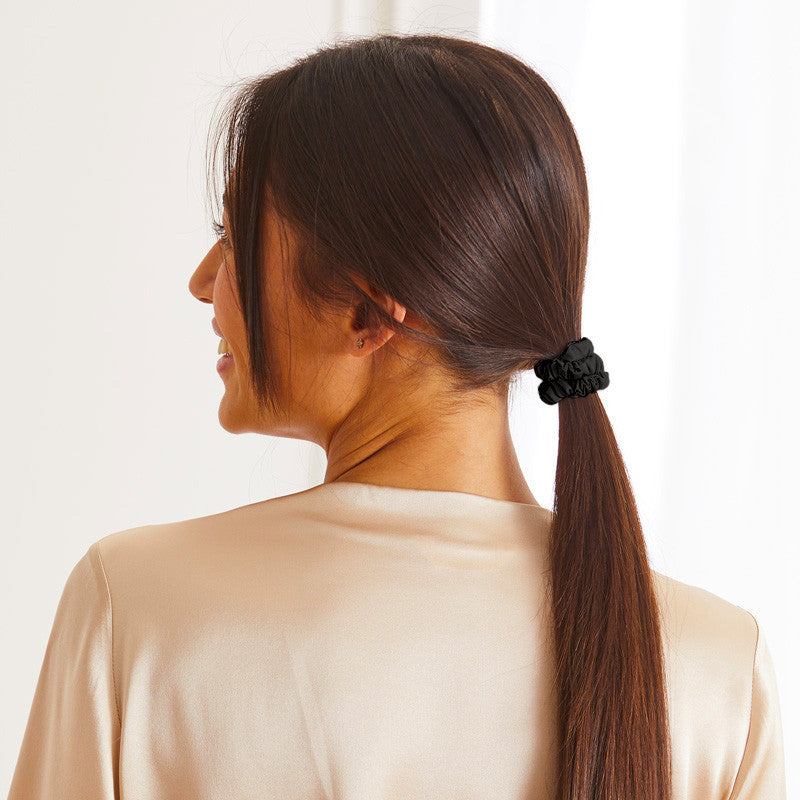
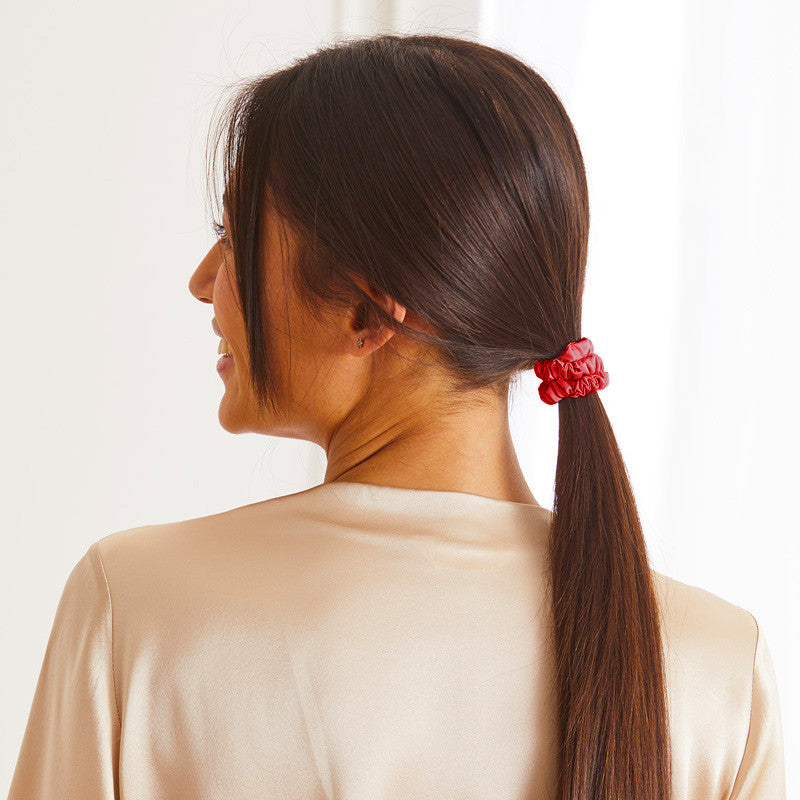
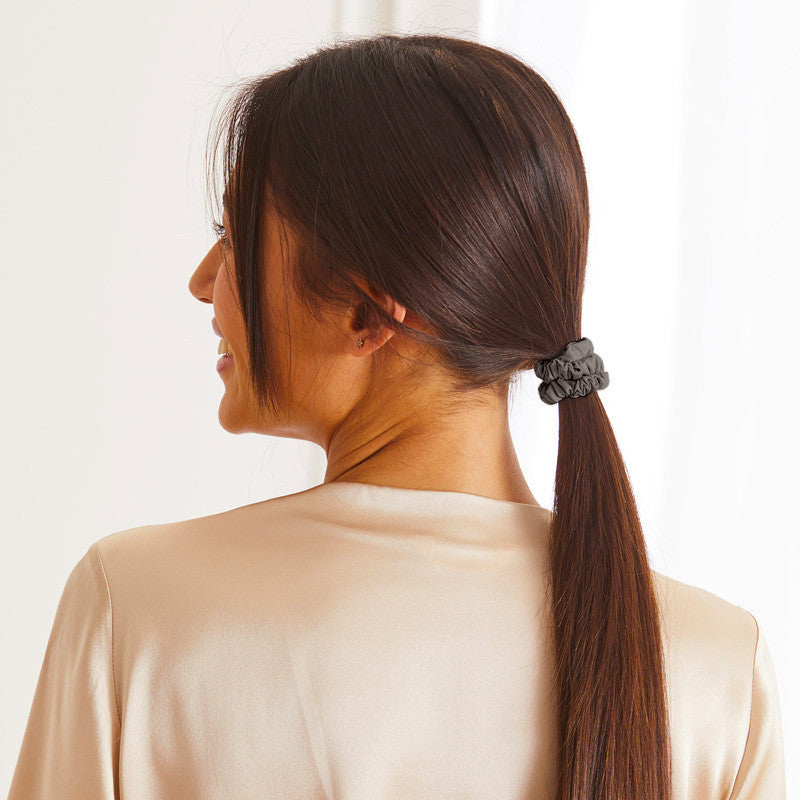
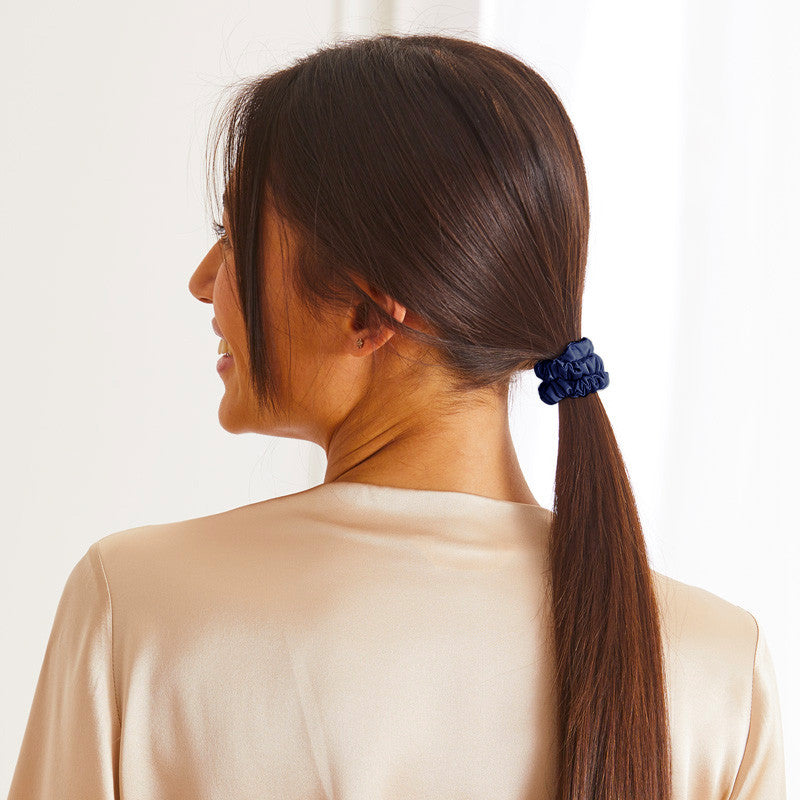
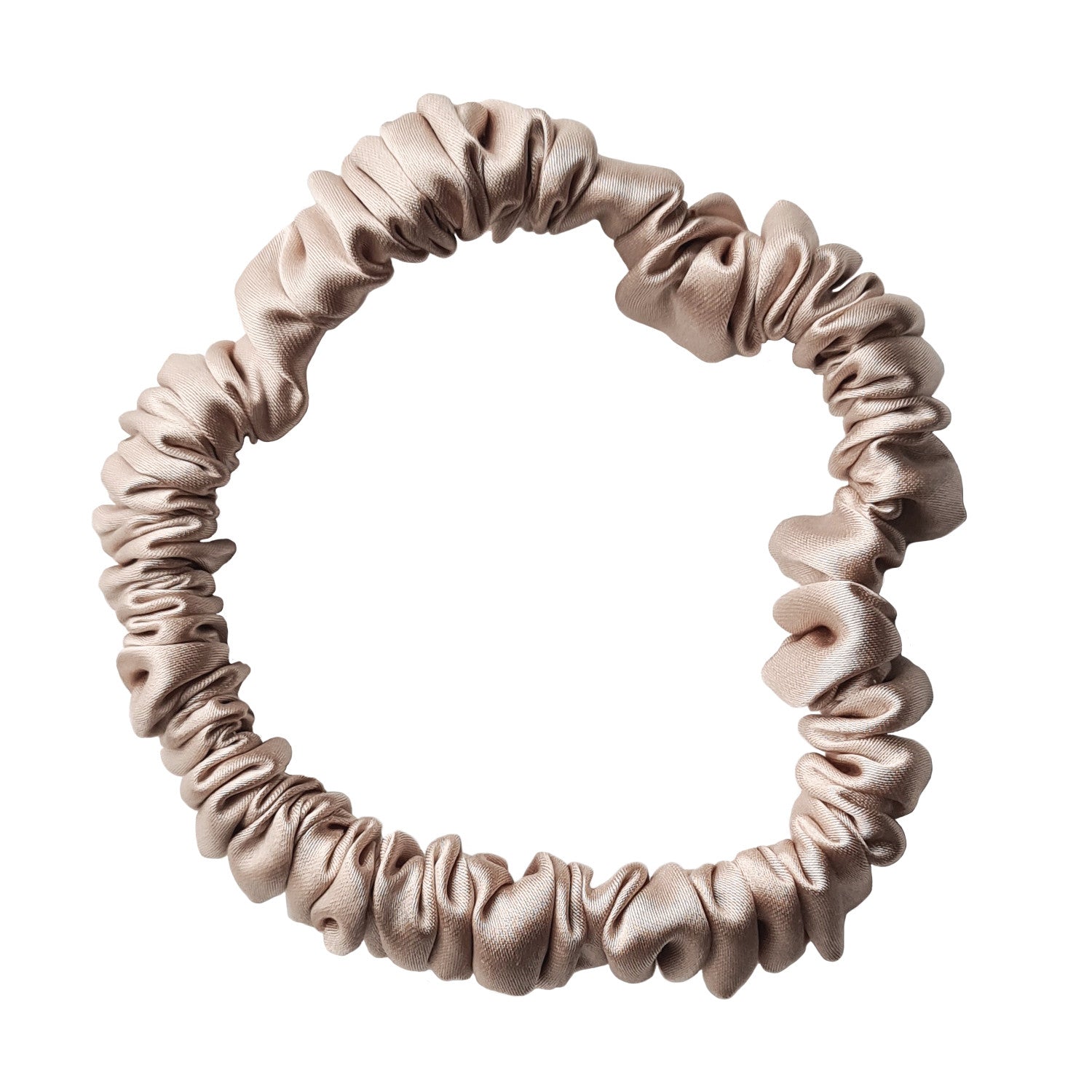
The extra step: use a silk scrunchie to hold the bun without damaging the fiber, then slip your hair into a silk sleep cap at bedtime.
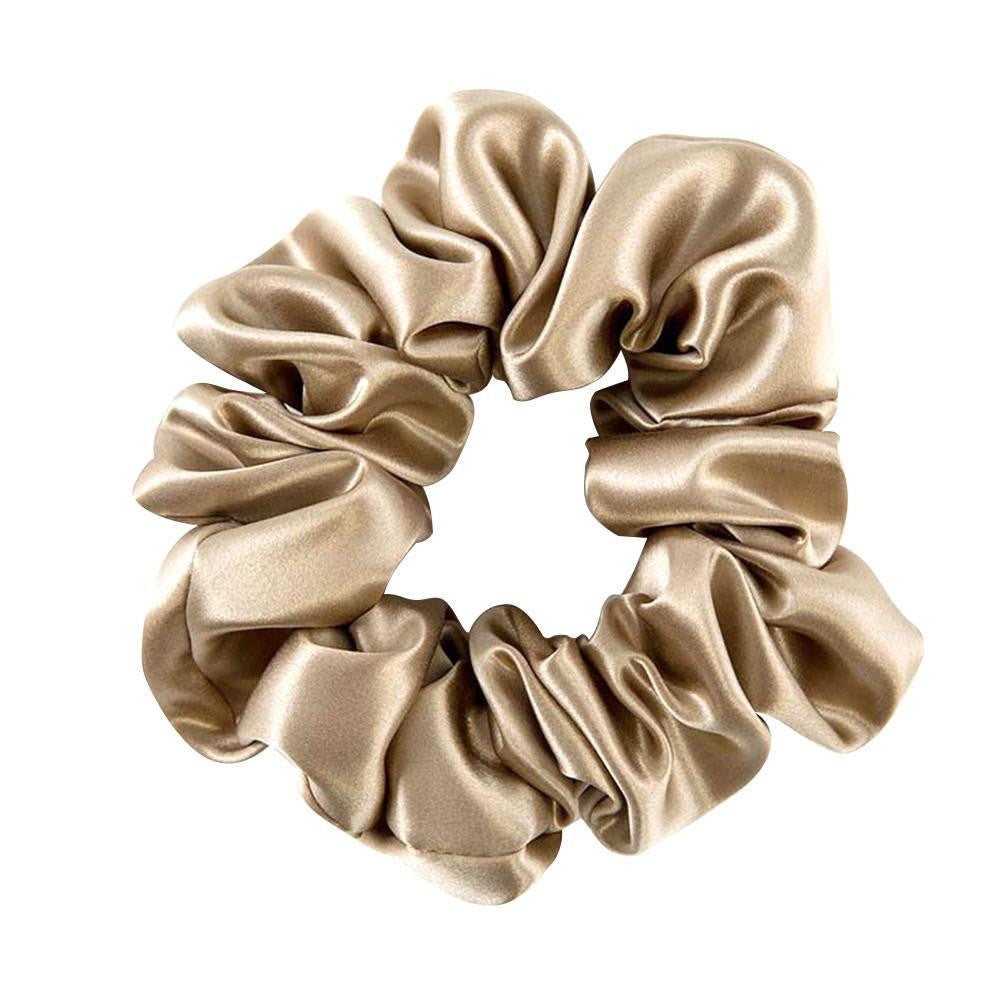


2. Twists
Ideal for textured hair, twists durably protect lengths and limit manipulation. They also help to better retain hydration, provided they are not too tight.
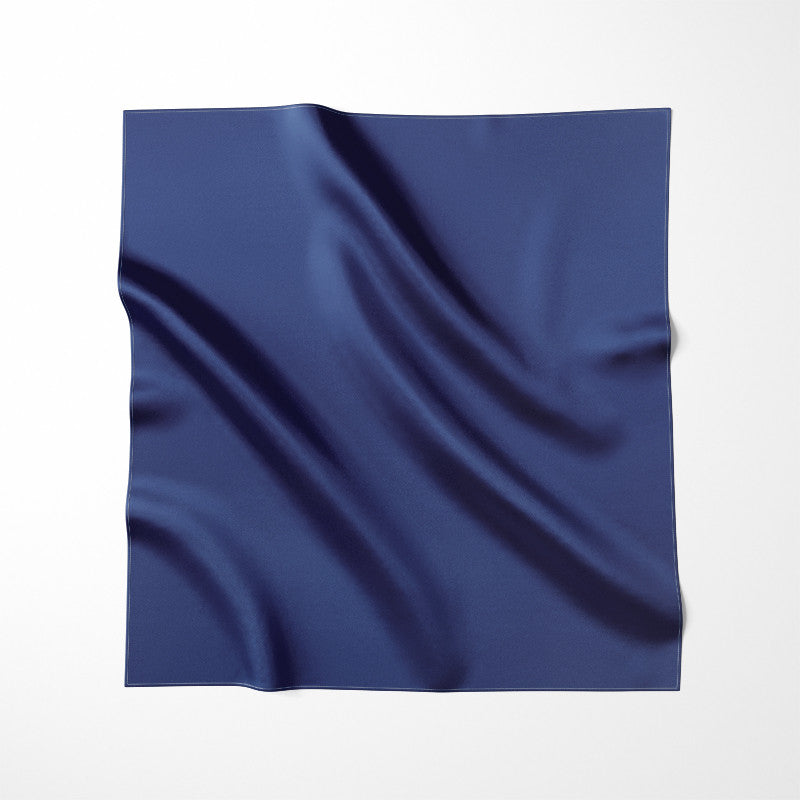
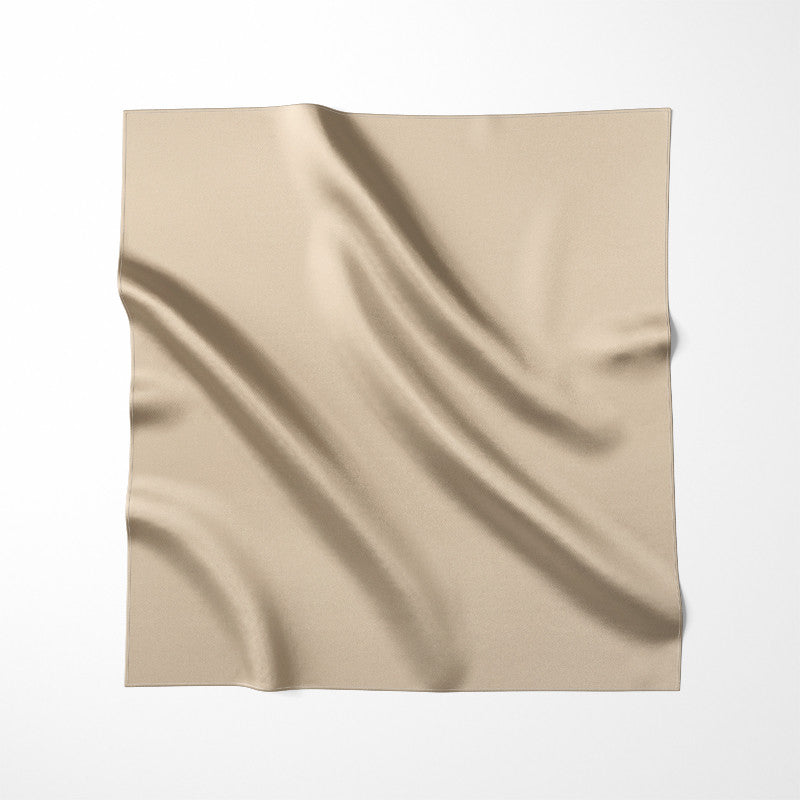
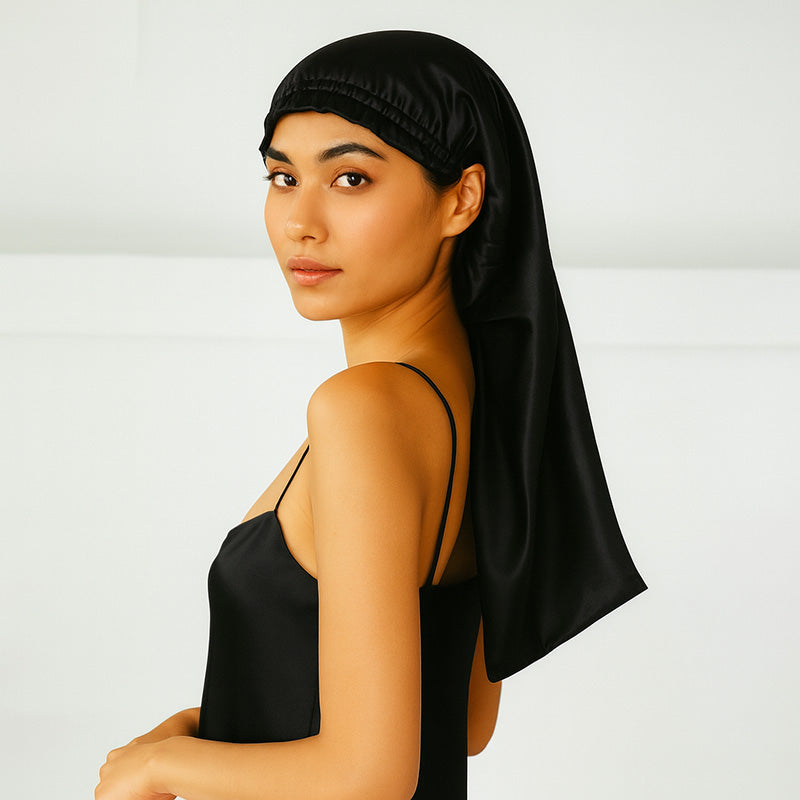
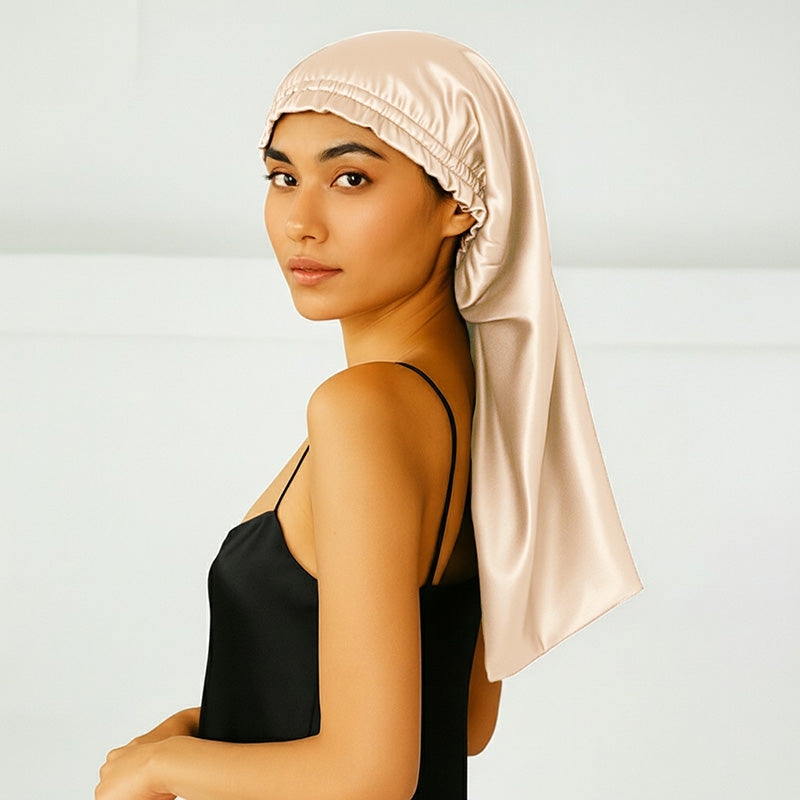
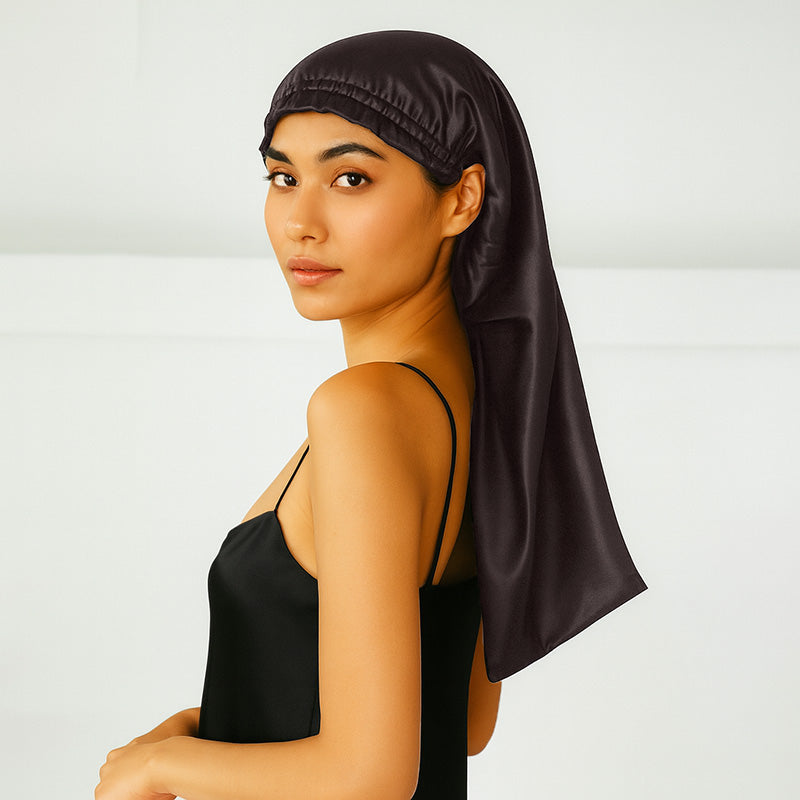
The extra step: a silk cap helps preserve their definition and prevent frizz during the night. During the day, a silk scarf can also be used to elegantly protect the hairstyle.
3. Protective braids (without tension)
Loose or non-tight cornrows allow hair to be structured while avoiding breakage. When comfortable and well-done, they limit repeated manipulation and protect lengths for several days.
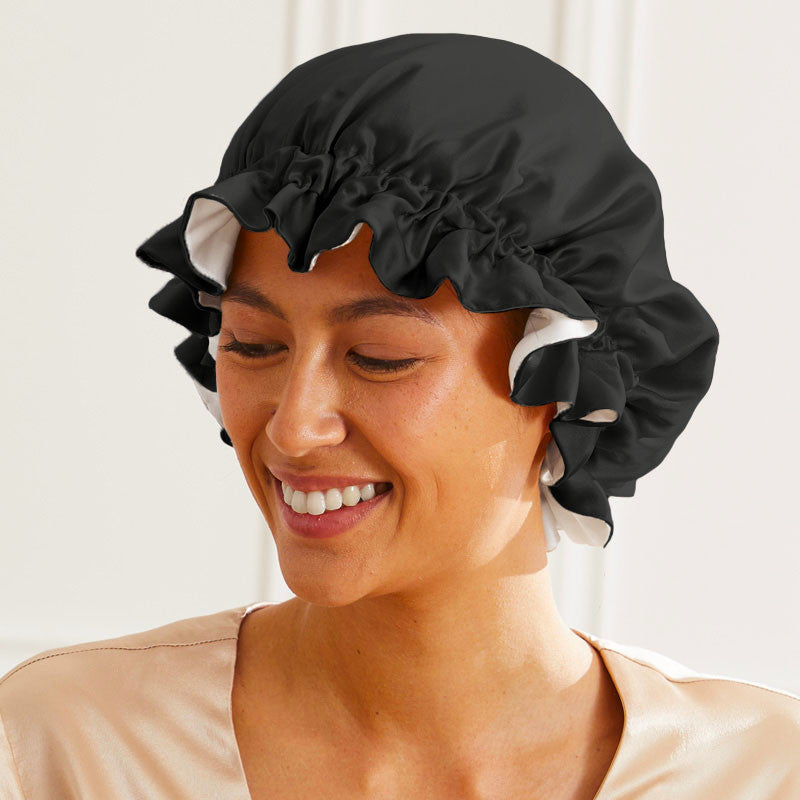
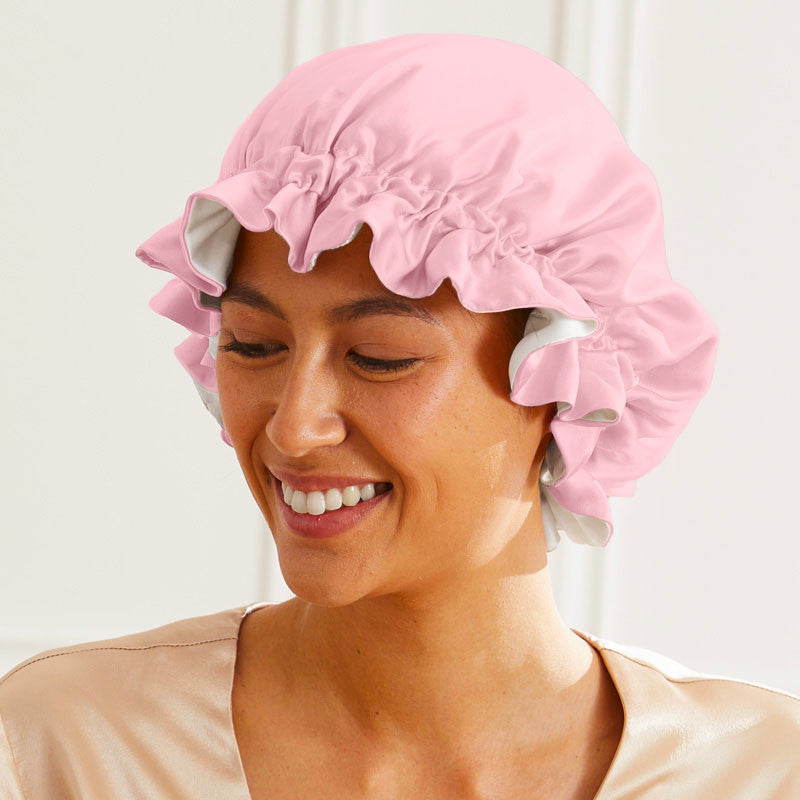
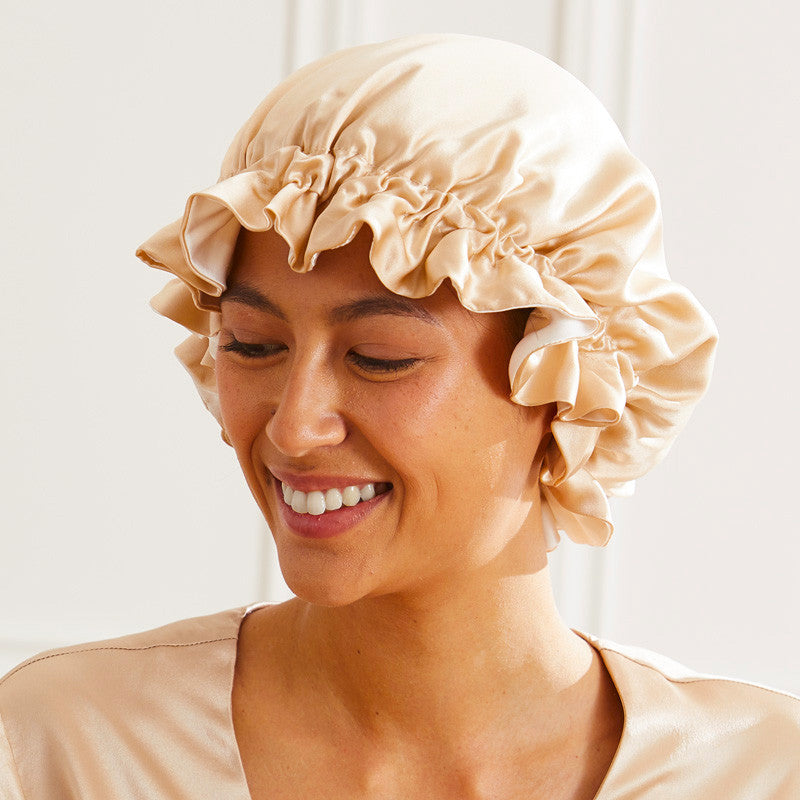
The extra step: wearing a silk cap helps prolong their hold, limit nocturnal friction, and keep a neater hairstyle upon waking.


4. The night braid
Simple and effective, the night braid prevents tangles and protects lengths during sleep. It's one of the easiest habits to adopt when you want to reduce breakage without complicating your routine.
The extra step: combine it with a silk sleep cap to limit friction and further preserve hair hydration.
5. The high bun (pineapple)
Perfect for preserving curls and avoiding friction, the high bun, often called "pineapple," is particularly popular for curly, coily, or kinky hair. It keeps lengths grouped without compressing them too much.
The extra step: use a silk scrunchie to prevent marks and tension, then complete with a silk sleep cap for maximum protection during the night.


How to choose the right hairstyle according to your hair type?
Straight to wavy hair
Opt for loose hairstyles like the low bun or loose braids. The main goal is to limit friction and tangles without creating unnecessary tension. A silk scrunchie is particularly useful for tying hair without damaging it.
Curly hair
The pineapple, twists, or loose braids are particularly suitable. These hairstyles help preserve the natural shape of the curls and prevent them from getting too flattened during the night. To complete this routine, the silk sleep cap remains one of the most effective accessories.
Coily to kinky hair: prioritize tension-free protection
More fragile and naturally drier, this hair requires gentle hairstyles: twists, non-tight braids, hairstyles that limit manipulation. Box braids or bantu knots can be protective, provided they are not too tight or too heavy.
In all cases, the night remains a key moment: a silk sleep cap helps preserve hydration, while a silk scarf can complement the routine depending on habits and preferences.
The right techniques to maximize benefits
- Hydrate hair before styling
- Avoid excessive tension
- Alternate hairstyles to avoid always stressing the same areas
- Protect hair at night with suitable accessories, like a silk sleep cap
- Choose gentle ties, like silk scrunchies
Conclusion
A well-chosen protective hairstyle helps preserve the beauty and health of hair. But it's often the combination of an adapted hairstyle and a material that respects the hair fiber that makes all the difference.
By integrating silk into your routine, whether with a silk sleep cap, silk scrunchies, or a silk scarf, you naturally extend the benefits of your protective hairstyles.
Extend the benefits of your protective hairstyles
Silk limits friction, preserves hydration, and helps your hair stay soft and manageable, night after night.
Does a protective hairstyle make hair grow?
Can a protective hairstyle be kept for several days?
Are protective hairstyles also suitable for straight hair?
Is a silk sleep cap really useful?
What is the best protective hairstyle for sleeping?
Your feedback and experiences
We opened the discussion on this topic with our community. Feel free to consult the exchanges and share your own routine:
Protective hairstyles: why they are not always enough
by u/cmo_maisondelasoie in MaisondelaSoie


Leave a comment