


Why Silk Is Ideal for Acne-Prone Skin
Acne isn’t just caused by hormones or overly harsh skincare products. What your skin comes into contact with at night also plays a major role. Between friction, sweat, and fabrics that trap bacteria, your skin’s condition can easily worsen. Silk, on the other hand, provides a much gentler and healthier environment: a true ally for soothing sensitive or acne-prone skin.
Table of Contents
- The Main Causes of Acne
- The Role of Friction and Bacteria in Inflammation
- Why the Choice of Fabric Really Affects the Skin
Understanding Acne and Skin Irritations
The Main Causes of Acne
Acne often develops as a result of excess sebum, inflammation, or bacterial overgrowth. Stress, hormones, and improper skincare can exacerbate the condition. The skin barrier becomes compromised, and the skin reacts more intensely to external aggressors.
The Role of Friction and Bacteria in Inflammation
Every night, your skin rubs against your pillow for several hours. This repeated friction creates micro-irritations that aggravate existing breakouts and can lead to new ones. Conventional fabrics also tend to accumulate bacteria, dust, sweat, and skincare residue more easily, which creates an environment conducive to breakouts.
Why the choice of fabric really affects your skin
Your pillowcase acts as a true “closed environment.” If it absorbs too much, traps moisture, or has a rough surface, it can disrupt your skin’s balance. Conversely, a soft, smooth, and clean fabric better supports the skin barrier and minimizes irritation.
“A pilot study showed that wearing antimicrobial silk fabric every night for six weeks resulted in a clinically significant reduction in acne lesions, without any additional treatment.”
Source: PubMed (2017)
Why Silk Is Beneficial for Acne-Prone Skin
A naturally soft fiber that reduces friction
Silk is an exceptionally smooth fiber. Its surface reduces the coefficient of friction compared to materials like cotton or linen. In practical terms, your skin glides more easily over the pillow during the night, rather than being “caught” by the fabric. This limits mechanical irritation and helps the skin stay calmer when you wake up.
A Less Absorbent Material: Your Skin Retains Its Moisture
Unlike cotton, silk absorbs much less of the skincare products applied before bedtime. Your serums and creams stay on your skin longer—where they’re needed—instead of being partially “sucked up” by the pillow. Your skin retains moisture better, which promotes more effective nighttime regeneration.
A surface less conducive to bacteria than traditional cotton
The structure of silk traps fewer impurities and less moisture than traditional cotton. Combined with regular care, this creates a less favorable environment for bacterial growth. For acne-prone skin, this difference can help reduce certain aggravating factors, though it is not a substitute for medical treatment.
Comparison: Silk vs. Cotton for Sensitive Skin
Absorption, hygiene, friction
Cotton is highly absorbent: it quickly absorbs moisture, sweat, and skincare products applied to the face. This can leave the skin’s surface drier and more fragile, especially if it is already sensitized. Silk, which is less absorbent, better preserves the skin’s natural hydrolipidic film and nighttime skincare products, while causing less friction. In terms of hygiene, a regularly washed silk pillowcase remains a clean and gentle surface for the face.
Why Silk Creates a Healthier Environment for the Skin
By limiting bacterial growth, better regulating moisture around the skin, and reducing mechanical irritation, silk helps create a healthier sleep environment. For acne-prone or redness-prone skin, every small reduction in irritation counts: silk acts as a “more soothing environment” in which the skin can regenerate more effectively.
How to Incorporate Silk into an Anti-Acne Routine
Choose a silk pillowcase
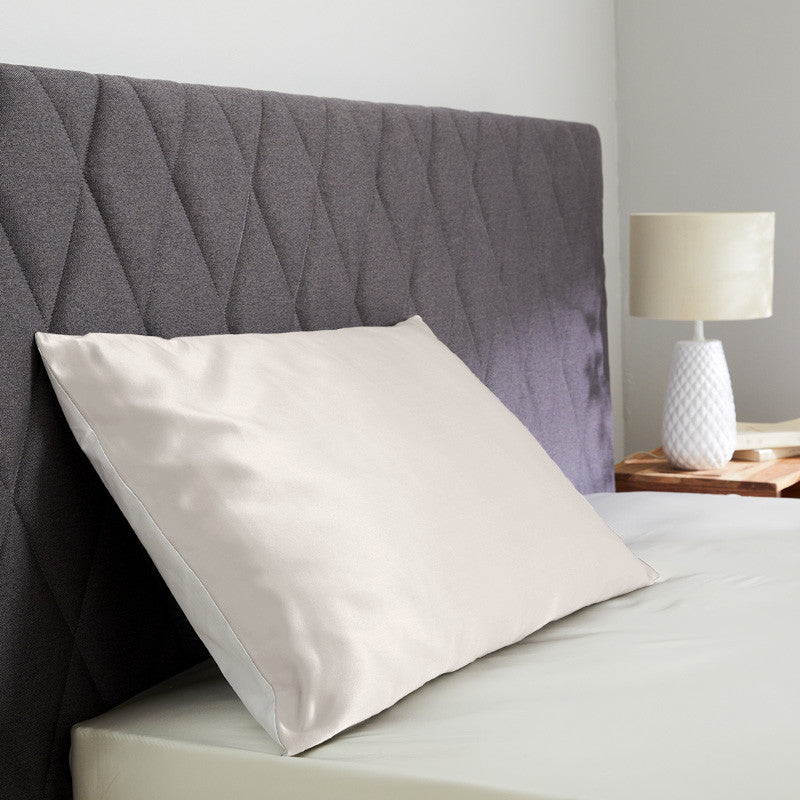
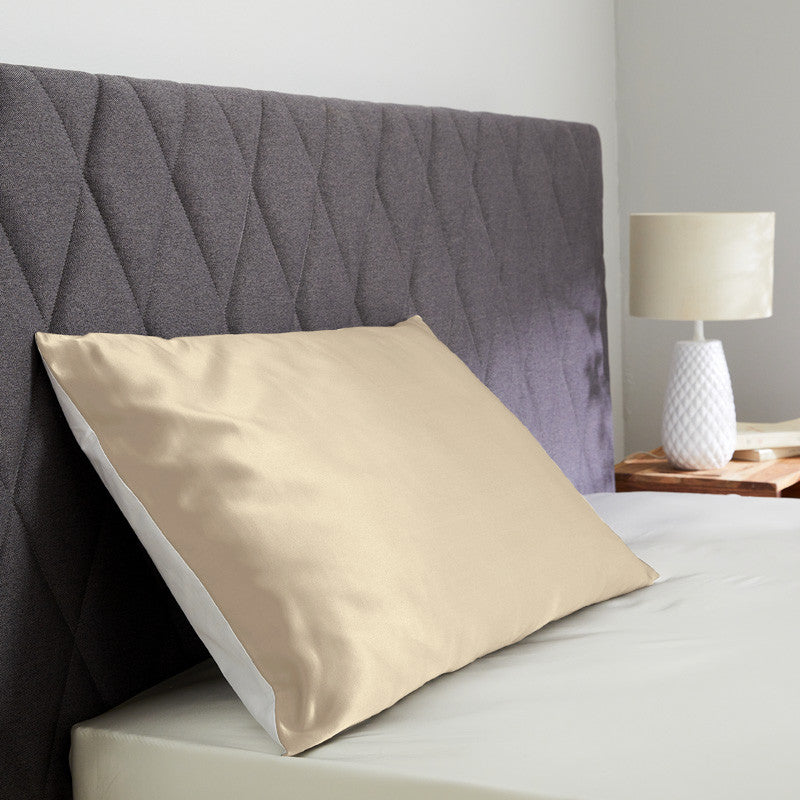
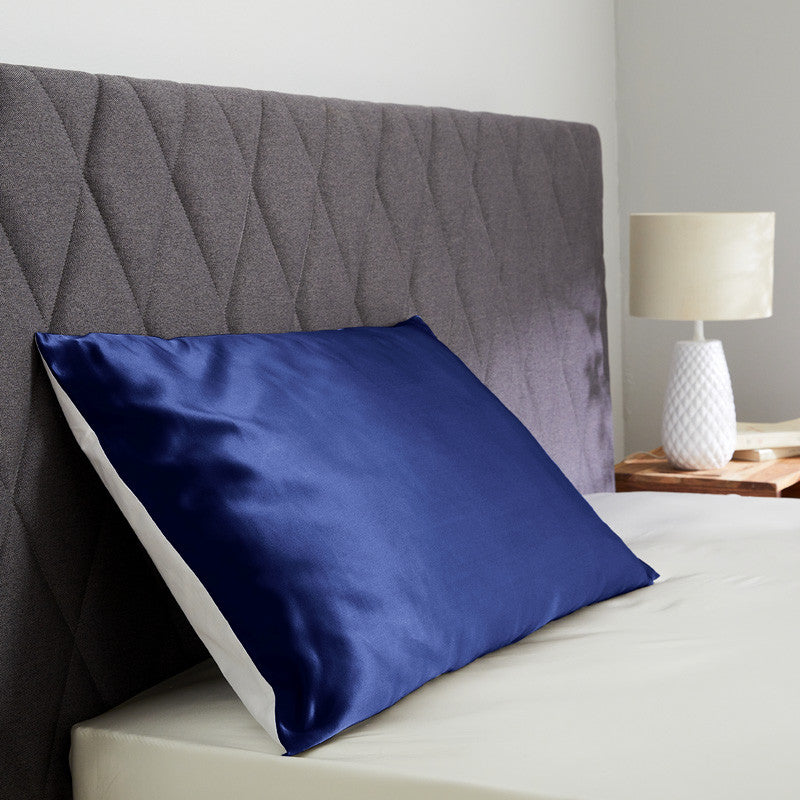
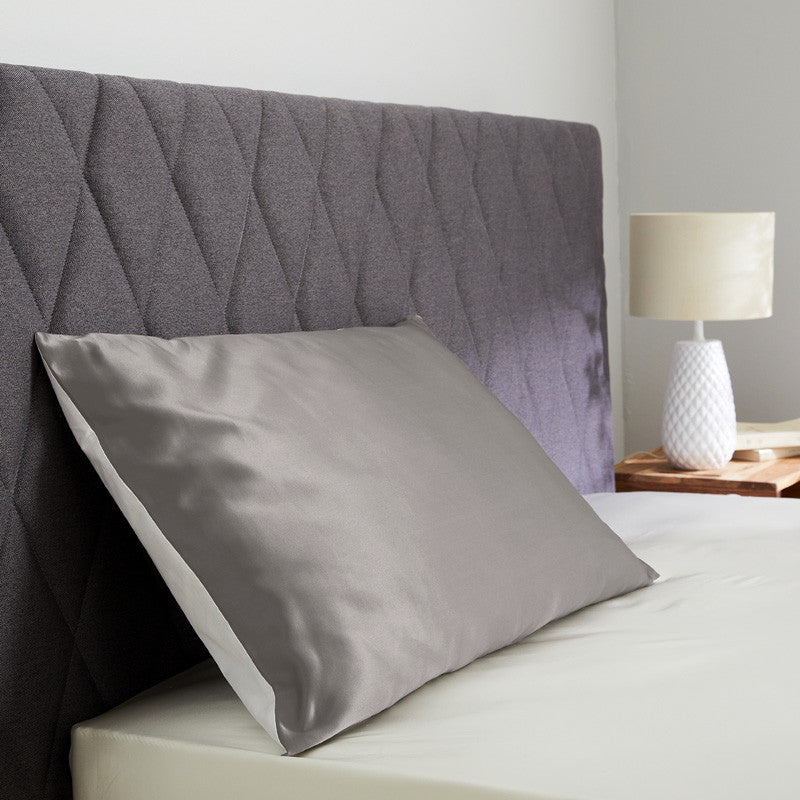
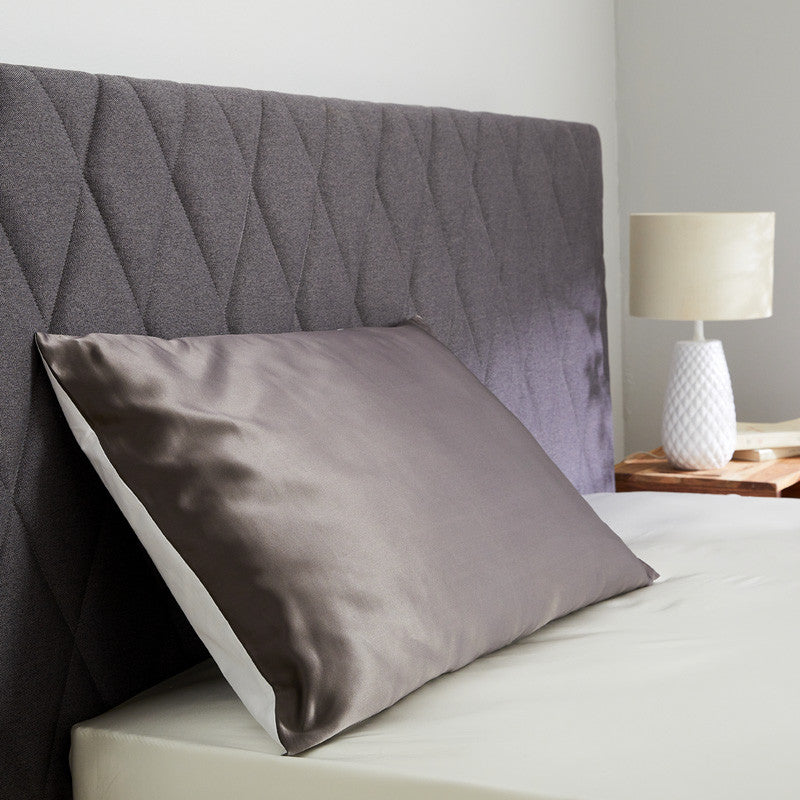
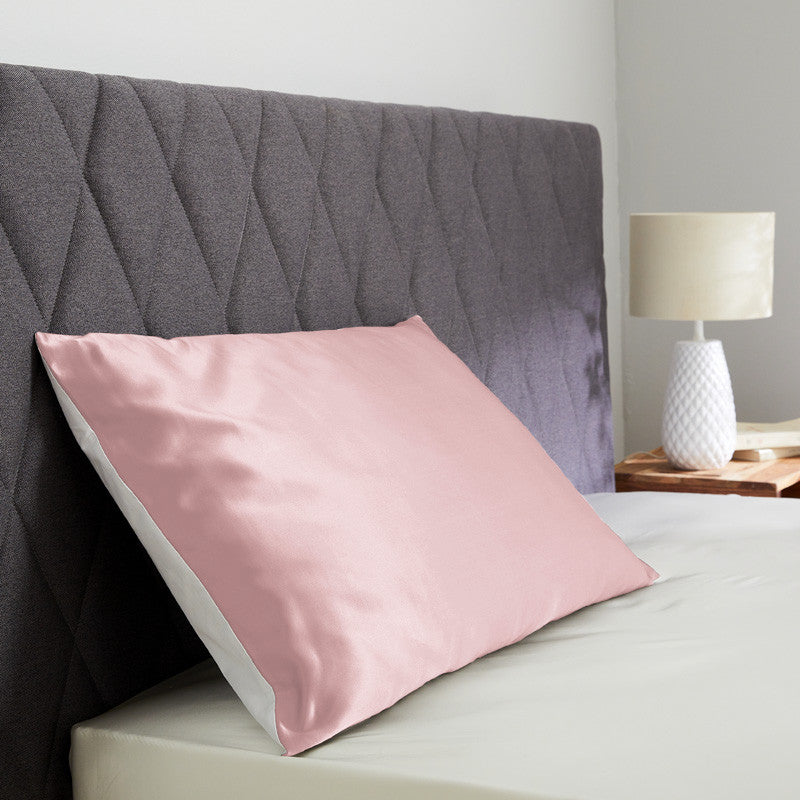
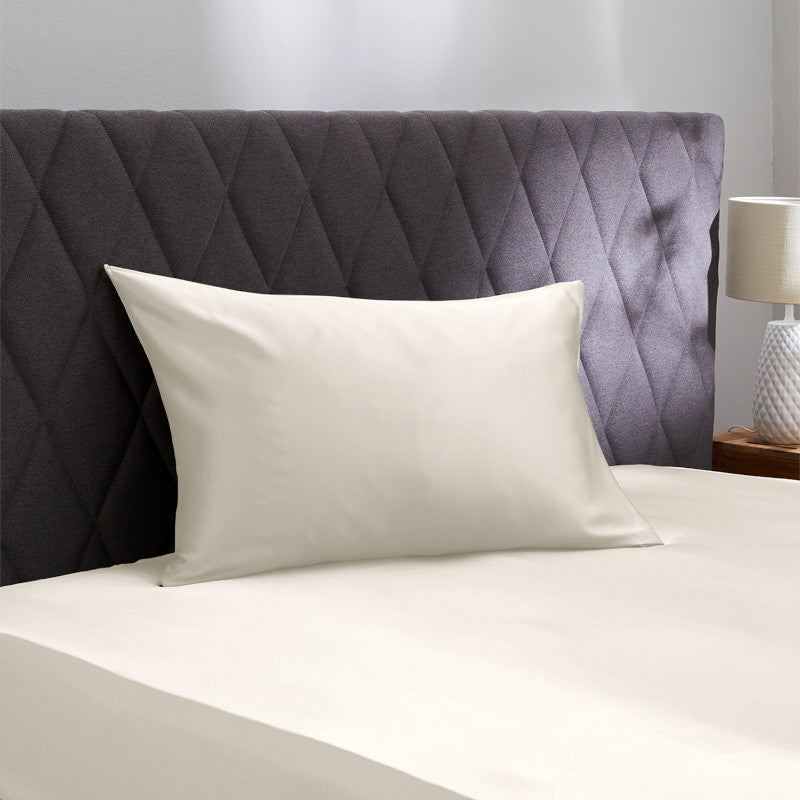
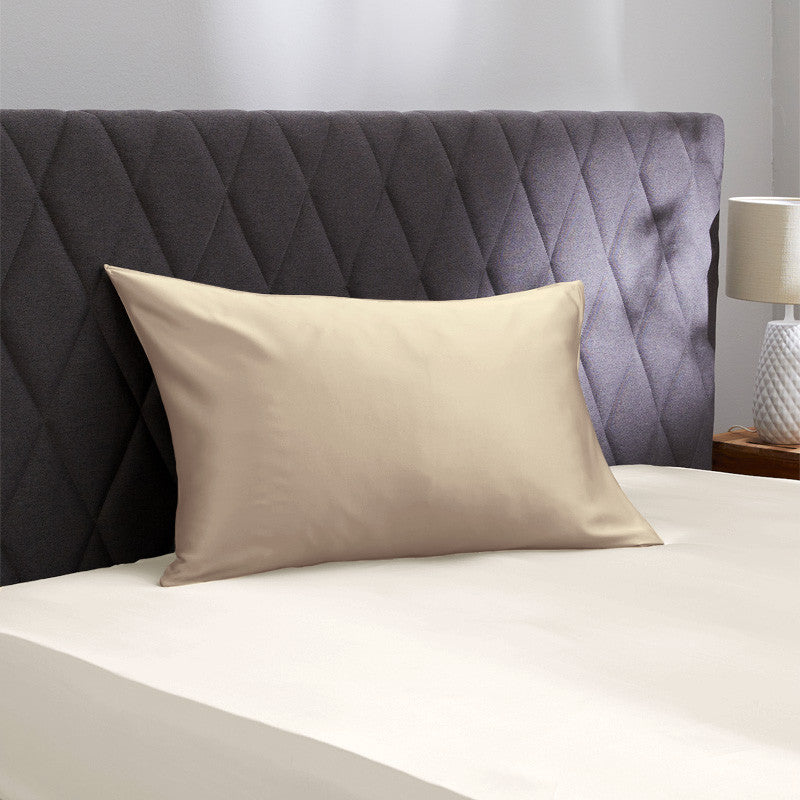
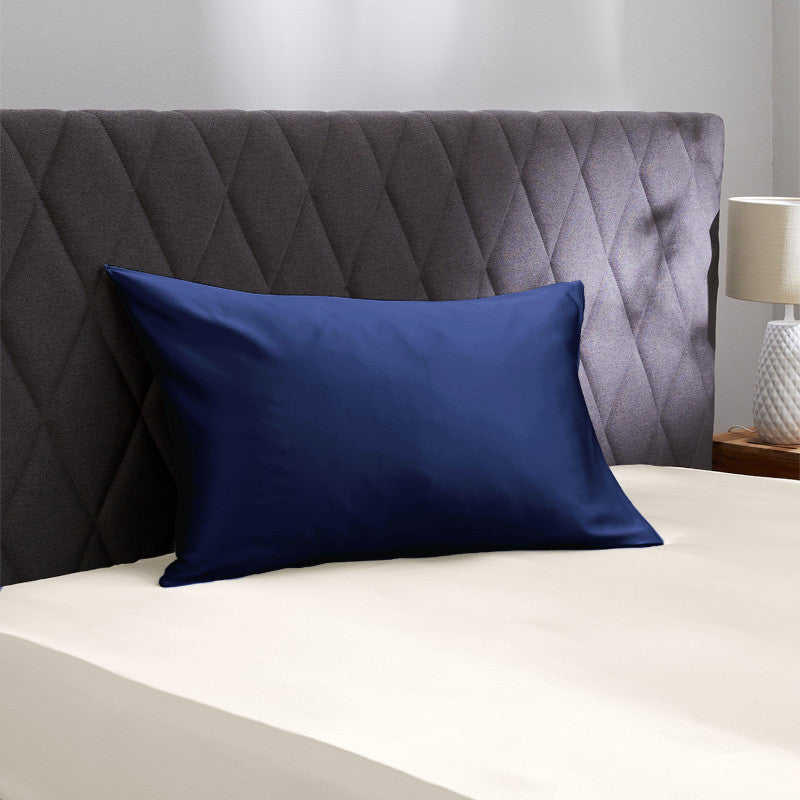
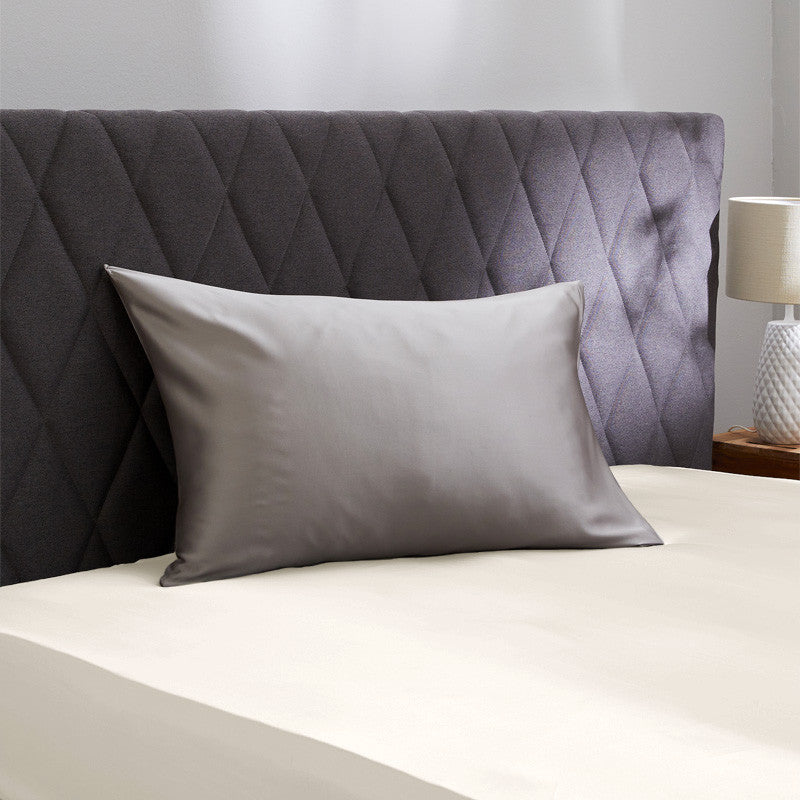
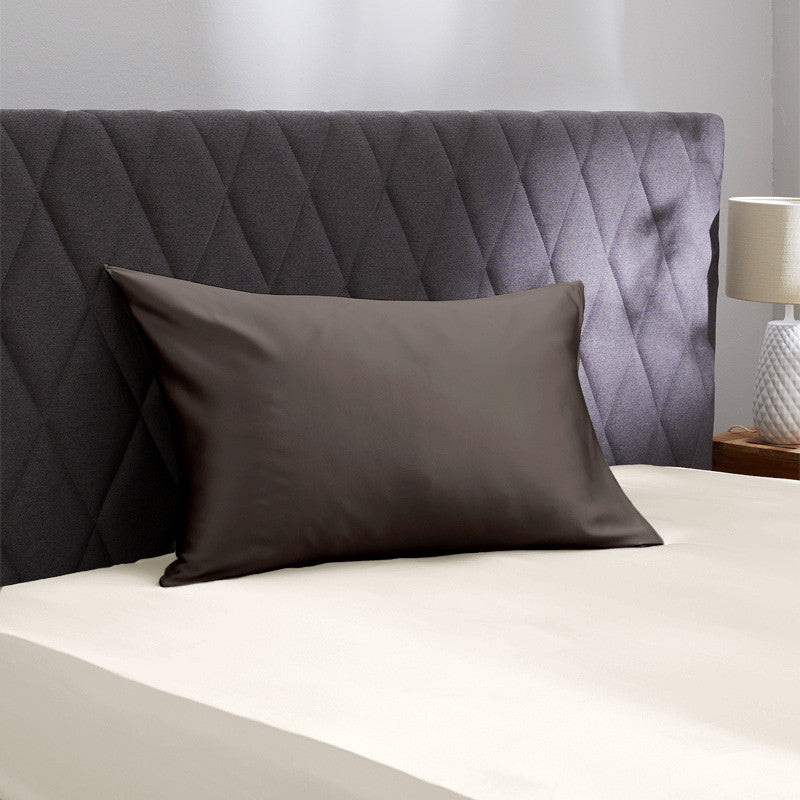
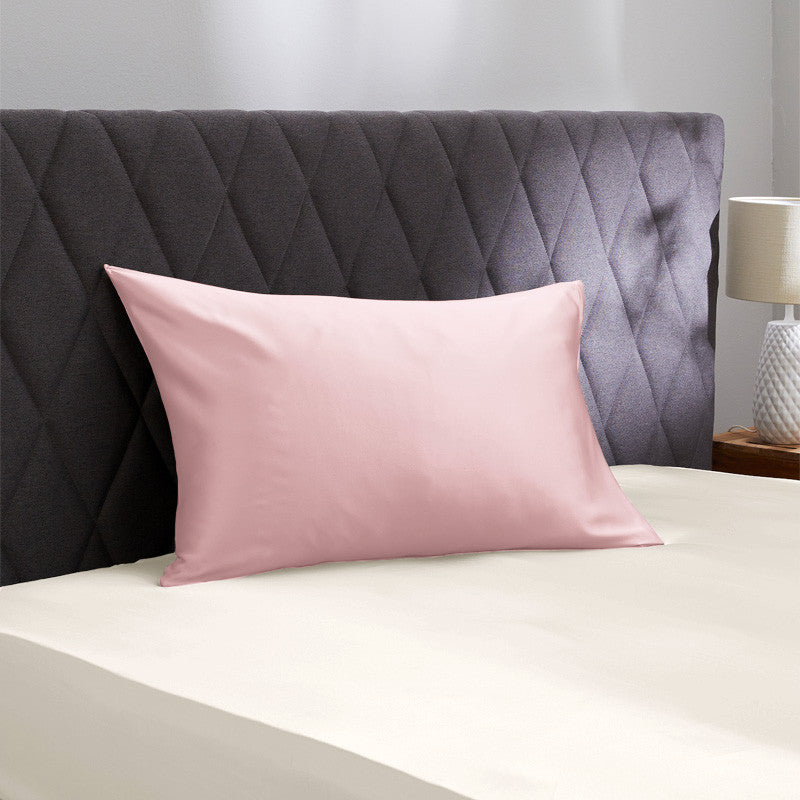
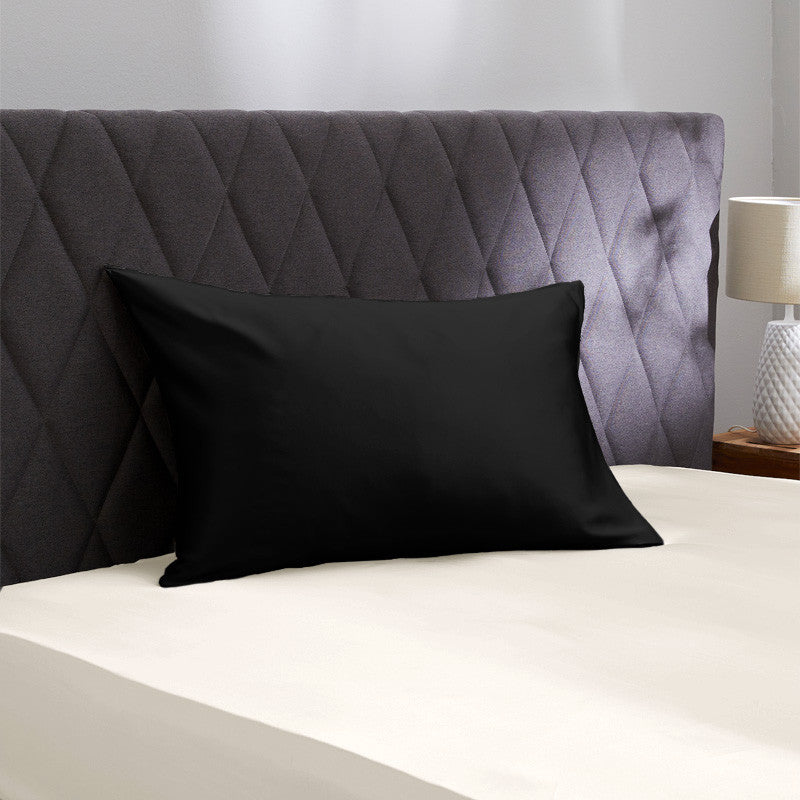
The simplest and most effective step is to choose a silk pillowcase over one made of another material. A high-quality pillowcase made of mulberry silk offers a smooth, soft surface, ideal for minimizing nighttime irritation. It’s an easy change to make that supports your skin every night without altering the rest of your routine.
For example, you can explore the Maison de la soie collection of silk pillowcases, specially designed for the comfort and beauty of your skin.


Hygiene Tips: Care Frequency
To maintain the healthiest possible environment, we recommend washing your silk pillowcase about once a week using a mild detergent free of harsh chemicals. If you have severe inflammatory acne or use very rich skincare products, washing it twice a week may be beneficial. Air-drying in the shade, away from direct sunlight, helps preserve the fiber and its properties.
Use silk-based skincare products
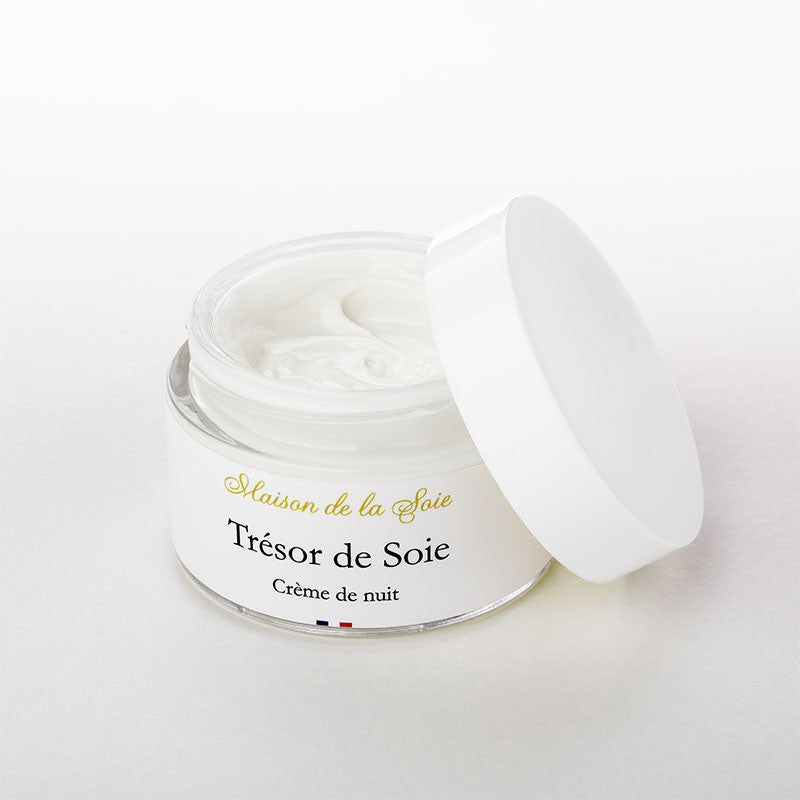
Maison de la soie also offers three skincare products formulated with organic silk: a day cream, a night cream, and a serum. Their lightweight texture is gentle on sensitive skin and provides a boost of hydration without leaving a greasy residue. When incorporated into a tailored skincare routine, these products perfectly complement the use of a silk pillowcase to support the skin’s comfort and balance every day.
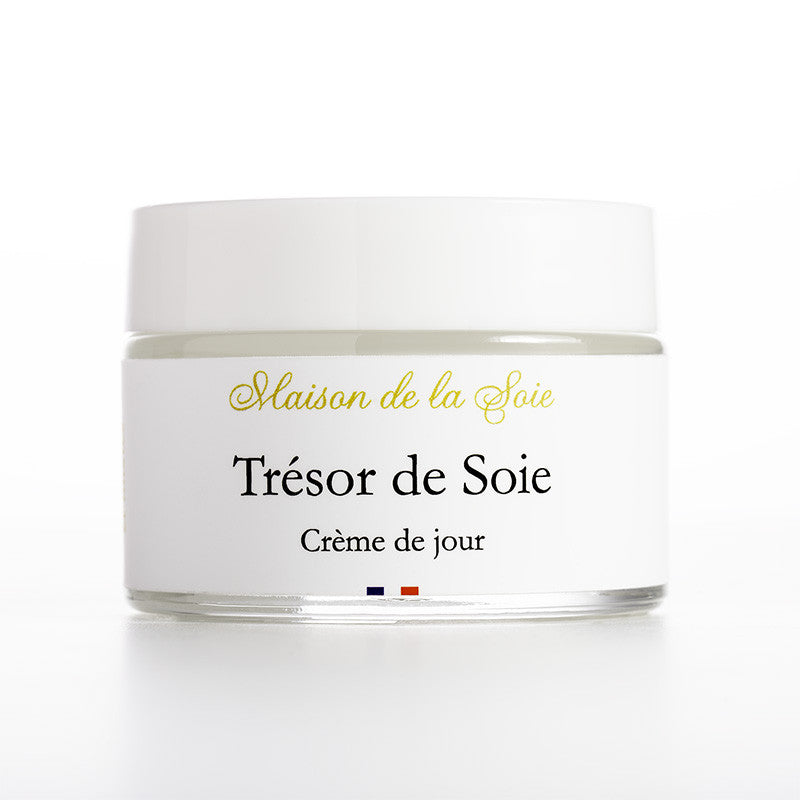
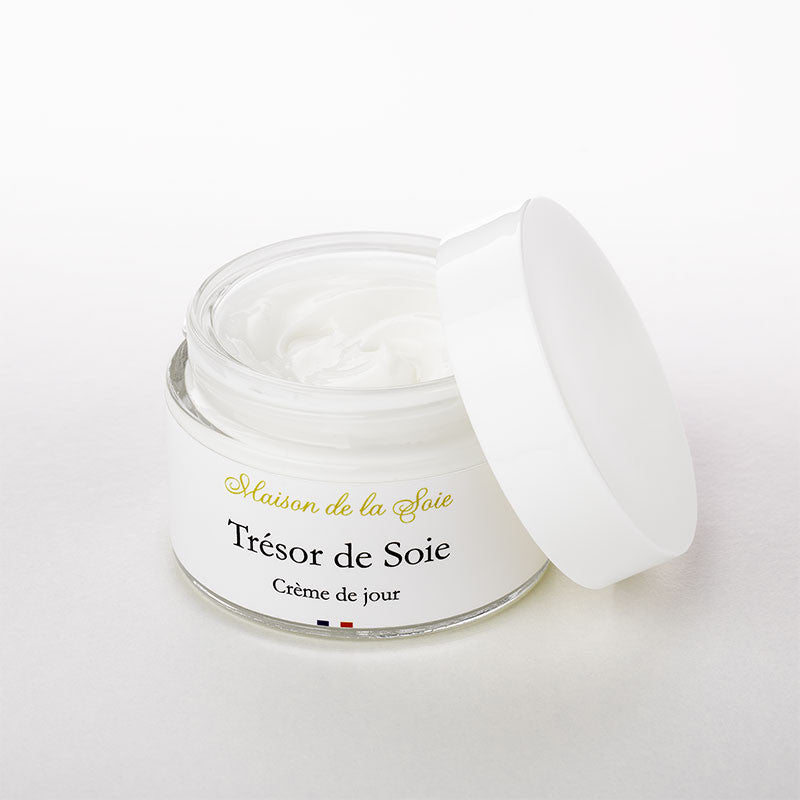


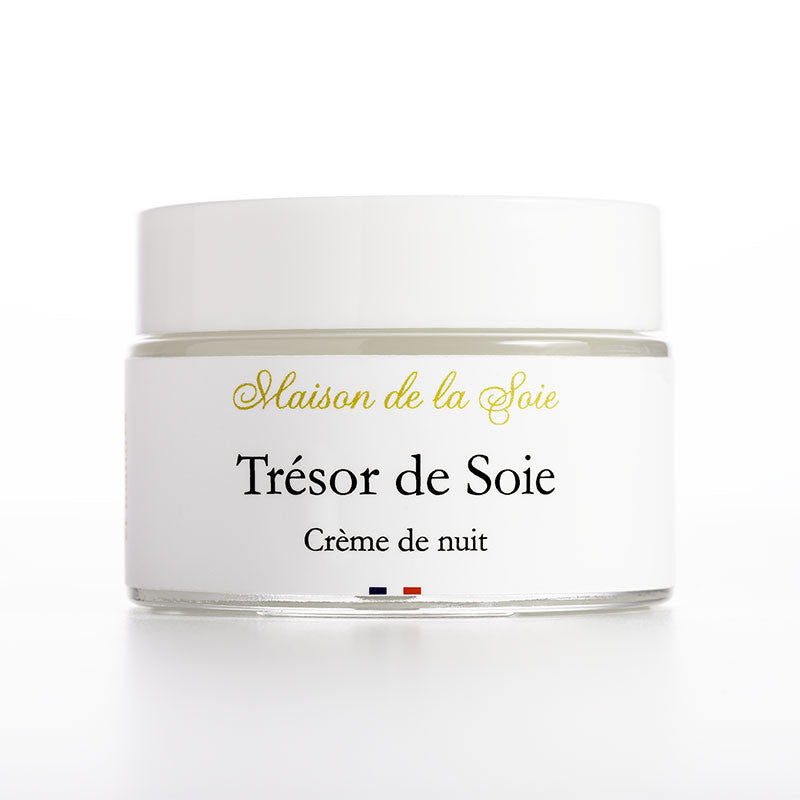
In conclusion, silk is not a treatment for acne, but it provides valuable support for sensitive or inflamed skin. It minimizes nighttime irritation, preserves moisture, and creates a healthier environment for the skin. Using a silk pillowcase is therefore a simple step to add to your anti-acne routine that can make a real difference in how comfortable your skin feels and how it looks when you wake up each morning.
FAQ – Silk and Acne
Can sleeping on a silk pillowcase really improve acne?
Why is silk better tolerated by acne-prone skin than cotton or polyester?
Can a silk pillowcase prevent breakouts?
How often should you wash a silk pillowcase if you have acne?
Is silk enough to clear up acne?
Can silk help with acne on the back or chest?
Enhance Your Skin Naturally
Silk can truly transform the quality of your skin, especially if it’s sensitive or acne-prone. Discover our silk pillowcases and organic silk-based skincare products to gently enhance your routine.
Leave a comment