


When we think of silk, the image that spontaneously comes to mind is often the same: a soft, lustrous, and luxurious fabric. However, this perception reflects only part of the reality.
Like cotton, wool, or linen, silk comes in many different forms. Depending on its origin, production method, weaving technique, or finish, it can offer very different textures, properties, and uses.
At Maison de la Soie, this diversity is part of our daily lives.
Our interactions with customers regularly remind us just how little this material is understood. In fact, one comment comes up often: “I didn’t know there were several types of silk.”
And that’s perfectly understandable: a silk satin pillowcase, an exfoliating glove made of raw silk, or a Habotai silk sleeping bag liner are all made from silk, yet their characteristics sometimes have almost nothing in common.
Why are some silks particularly soft and lustrous? Why do others have a more matte or textured feel? And most importantly, how do you choose the silk that best suits your needs?
Let’s explore the different types of silk that make up the Maison de la Soie collection.
Silk is not a single material. It is a family of fibers, weaves, and craftsmanship, each designed to serve a specific purpose.
Why Are There Different Types of Silk?
Contrary to popular belief, silk does not refer to a single, uniform material.
The term “silk” encompasses several natural fibers produced by different species of silkworms, as well as numerous weaving techniques and finishes that profoundly alter the fabric’s final appearance.
Two fabrics made from silk can thus have very different characteristics: one may be smooth and shiny, while the other is more matte and textured; one may be intended for bedding, while the other is designed for personal care or travel.
This diversity explains why silk has been used for millennia in fields as varied as clothing, sleep, wellness, and travel gear.
Same Origin, Different Expressions
All types of silk share one common feature: they are produced from the natural fibers secreted by caterpillars known as silkworms. However, the species used, its environment, its diet, and the processing methods directly influence the properties of the resulting fiber.
The famous mulberry silk, for example, is produced by Bombyx mori, which has been raised for centuries for the exceptional quality of its fibers. Tussah silk, on the other hand, comes from silkworms living in a wilder environment and naturally has a more irregular appearance.
The Role of Weaving
The fiber is only part of the equation.
Silk satin, silk crepe, and Habotai silk are all different ways of working with the material. Each technique influences the fabric’s feel, suppleness, sheen, and behavior.
It is precisely this combination of fiber and textile craftsmanship that makes it possible to produce silks suited to very specific uses.
Mulberry silk satin: the benchmark for luxury and comfort
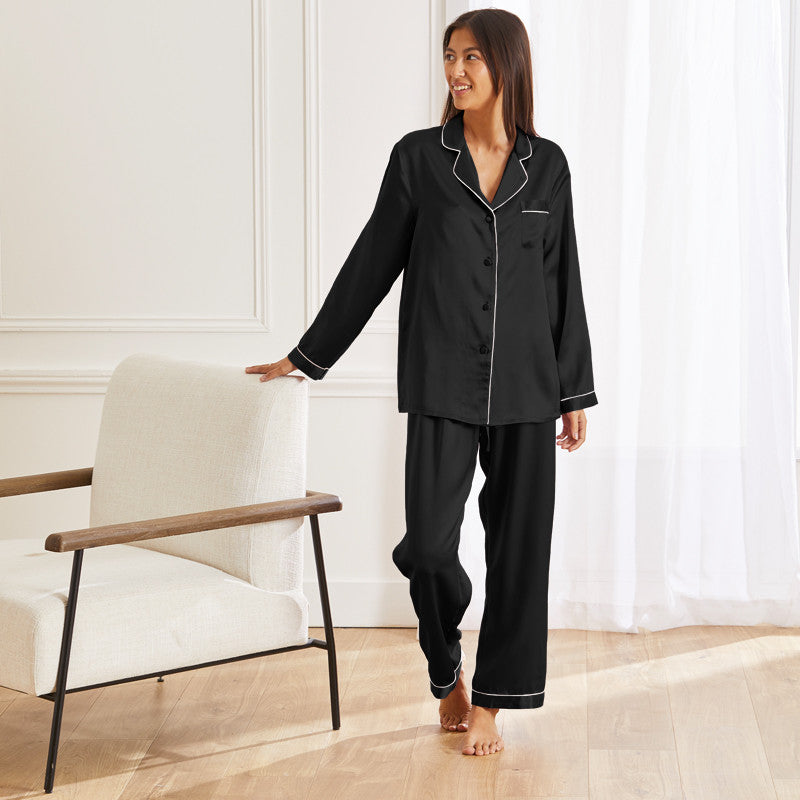
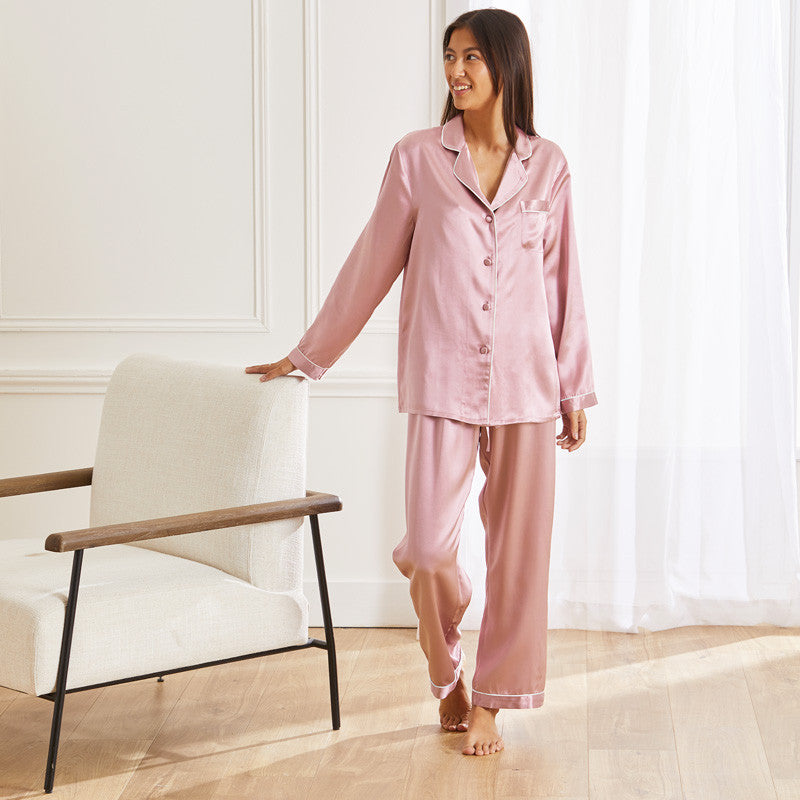
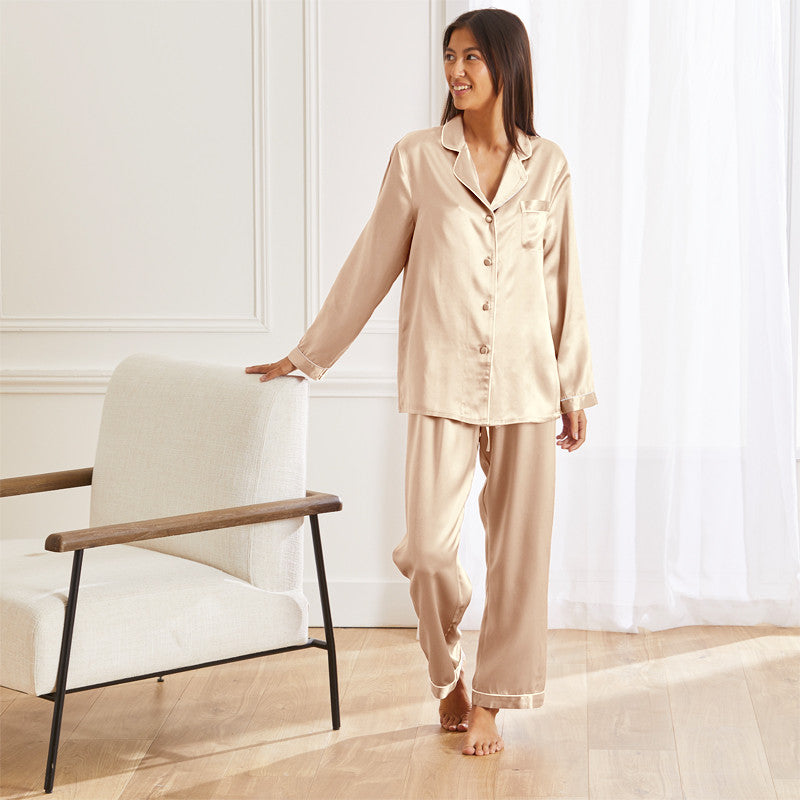
If there is one iconic fabric at Maison de la Soie, it is undoubtedly mulberry silk satin.
Since 2010, Maison de la Soie has been selling mulberry silk and has made it the signature fabric of numerous collections dedicated to sleep, wellness, and accessories.
Recognizable by its natural luster and exceptional softness, mulberry silk satin is now considered a premium standard for sleep accessories, nightwear, and hair accessories.
Unparalleled softness
Mulberry silk is obtained from the cocoons of the Bombyx mori silkworm, which is fed mulberry leaves. This specific diet produces fibers that are particularly long, fine, and uniform. Once woven into satin, they offer a remarkably smooth surface that provides a unique, gliding sensation against the skin.
A material that’s gentle on hair and skin
Silk satin naturally reduces friction. It is this characteristic that explains its popularity in pillowcases, nightcaps, and silk scrunchies.
Upon waking, hair and skin are less exposed to the mechanical stress and friction caused by certain rougher fabrics.
Where can you find silk satin?
This fabric is used in many Maison de la Soie creations:
- Pillowcases,
- Sleep masks,
- Hair caps and scrunchies,
- Scarves,
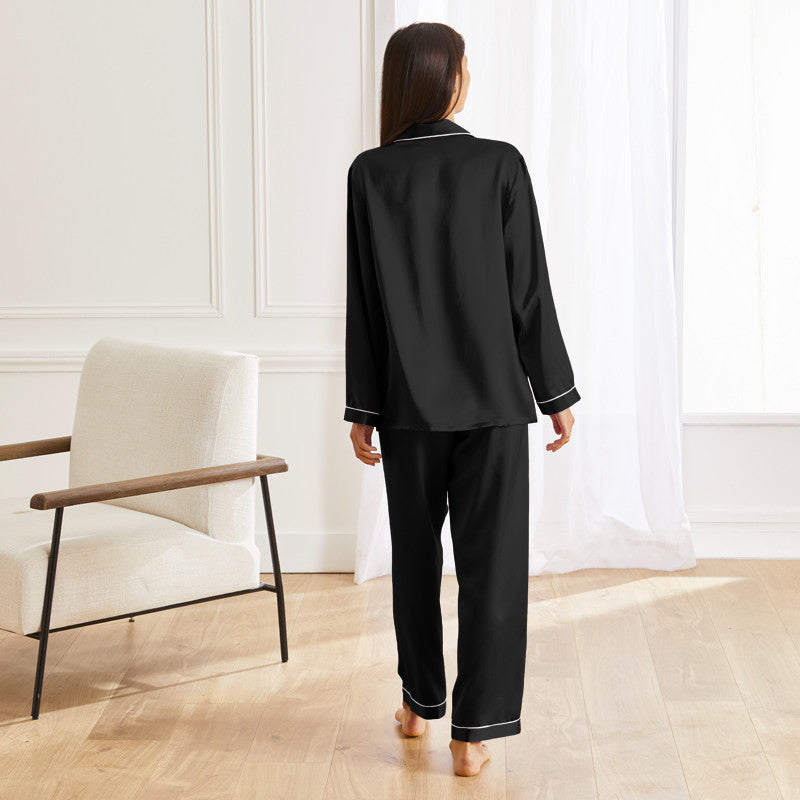
- Nightwear...
Everywhere, it offers the same sensation: that of a fluid, lightweight, and delicately enveloping fabric.


Chinese silk crepe: softness that cares for the skin
Not all silks are designed to be shiny. Chinese silk crepe, on the other hand, has a more understated texture that feels slightly grainy to the touch.
A fabric that’s well-known but not always recognized
This fabric is regularly used in the creation of high-end clothing, particularly blouses, shirts, and flowing dresses.
Its supple drape, natural elegance, and subtly textured feel make it a particularly prized fabric in the world of luxury ready-to-wear.
If you’ve ever worn a slightly matte, delicately textured silk blouse, it was likely made of silk crepe.
A Naturally Exfoliating Texture
This same texture also gives it properties that are beneficial for body care. The micro-texture on the fabric’s surface gently removes dead skin cells without irritating the skin.
The resulting exfoliation is gradual, gentle, and kind to the skin.
An ideal fabric for sensitive skin
It is precisely this duality that makes silk crepe so appealing: delicate enough to caress the skin, yet textured enough to aid in its exfoliation.
At Maison de la Soie, we’ve chosen this fabric for our gentle exfoliating gloves, designed for those seeking a truly delicate skincare routine.


Raw silk: the natural character of the fiber
When we think of silk, we generally imagine a smooth and perfectly even material. Raw silk defies this image.
A more authentic material
Less processed, it retains more of the fiber’s natural characteristics. It feels more textured, looks more authentic, and has a much more distinct character. While silk satin strives for fluidity and visual perfection, raw silk embraces its irregularities.
A more invigorating exfoliation
Thanks to its more pronounced texture, raw silk is particularly well-suited for exfoliating treatments. When it comes into contact with the skin, it helps remove dead skin cells while stimulating microcirculation.
The experience differs from that offered by Chinese silk crepe. More invigorating and energizing, it is particularly suited for those who appreciate a more pronounced exfoliating sensation.
Effective Simplicity
At Maison de la Soie, we’ve chosen raw silk for our invigorating exfoliating gloves. As is often the case with natural materials, its effectiveness lies in its simplicity.


Habotai silk: lightness designed for travel
While silk satin evokes the comfort of a bedroom, Habotai silk is more inviting for travel
Native to Asia, this fabric has been prized for centuries for its remarkable fineness and lightness.
A subtle yet practical fabric
Many people have likely come across Habotai silk without even realizing it. It’s often used for lightweight scarves, certain high-end linings, or travel accessories.
Its appearance is generally more matte and understated than that of silk satin.
The ideal companion for travelers
Habotai silk offers several advantages: it’s extremely lightweight, takes up minimal space, dries quickly, and feels wonderfully comfortable against the skin. These qualities explain why it has become a staple in the world of lightweight travel.
Silk Peak: Enjoy the Comfort of Silk Anywhere
At Maison de la Soie, our journey with Habotai silk has given rise to a much larger project.
It was while developing our silk sleeping bag liners that we realized just how well this material meets the needs of travelers, hikers, and adventure enthusiasts.
Lightweight, compact, and soft against the skin, it allows you to enjoy true sleeping comfort even when far from home. This conviction gradually led to the creation of Silk Peak, our brand dedicated to the outdoor world and silk travel.
The idea is simple: to let everyone enjoy the benefits of silk not only at home, but also while hiking, staying in mountain huts, camping, or on long-distance trips. Silk Peak sleeping bag liners have thus become the first ambassadors of this vision: taking a little bit of home comfort with you wherever you go.


Mulberry Silk Fibers: The Invisible Luxury of Bedding
Some silks are immediately noticeable. Others work behind the scenes.
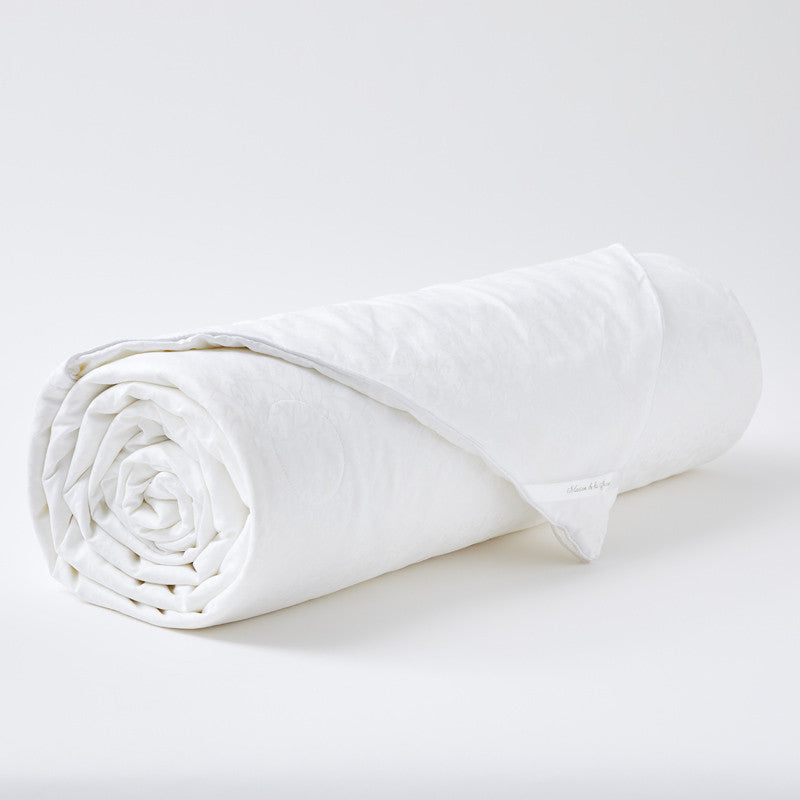
The mulberry silk fibers used in comforters, pillows, and throws belong to this second category. At least on the surface.
A material you feel but can’t see
Unlike a pillowcase or a piece of clothing, this silk isn’t immediately apparent. It works discreetly at the heart of your bedding.
Yet it’s probably the one you feel the longest: several hours every night, night after night.
See what’s hidden inside
When you buy a comforter or a pillow, it’s often impossible to know what the filling actually contains. At Maison de la Soie, we’ve always believed that the quality of a material should be immediately apparent.
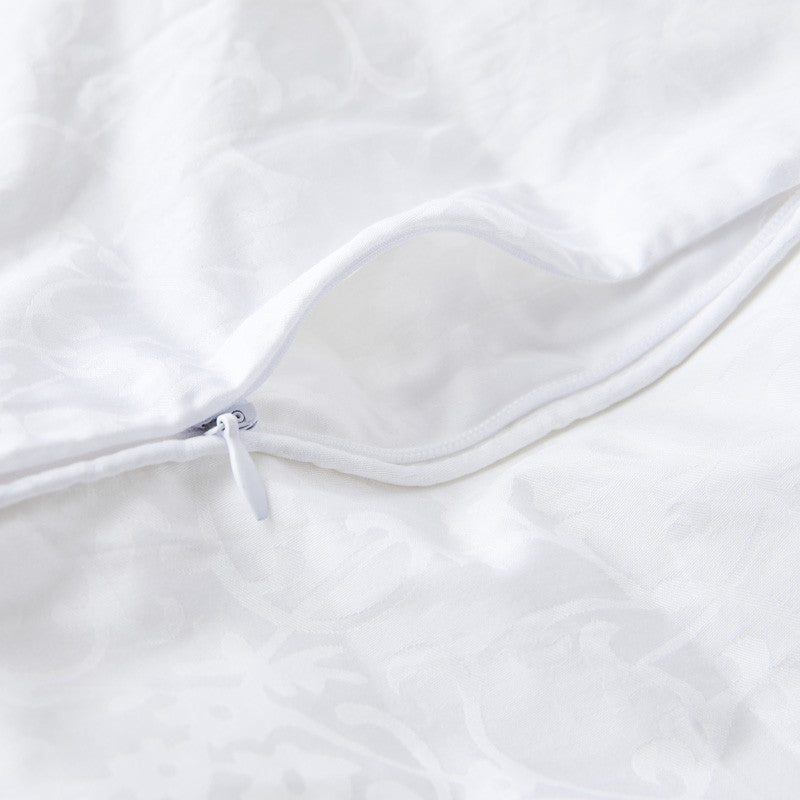
That’s why our comforters and pillows feature an opening that allows you to see the silk fibers inside. This opening lets you observe the quality of the filling, the length of the fibers used, and the care taken in selecting them.
Our throws also let you visually appreciate the fineness of this exceptional material. Because even when it works discreetly at the heart of your bedding, silk remains a material we love to discover with our own eyes.

Natural Temperature Regulation
Silk has long been prized for its ability to adapt to temperature fluctuations. It helps maintain a comfortable sleeping environment year-round.
This adaptability explains why silk comforters and pillows appeal to both those who feel the cold and those who tend to get hot at night.
Light, Airy Comfort
Silk fibers offer a light and supple, enveloping feel. They provide comfort without any sense of heaviness, creating a particularly pleasant cocoon for sleep.


Tussah Silk: The Authentic Charm of Wild Silk
For many years, Maison de la Soie has worked exclusively with mulberry silk, considered the finest form of silk: long, even fibers that are exceptionally soft and lustrous.
But our mission has remained the same since 2010: to make silk more accessible and allow as many people as possible to discover the exceptional qualities of this material.
A New Chapter in Our History
Over time, our world has expanded. The integration of Label Naturel into our family-owned group has opened up new possibilities and allowed us to broaden our approach to natural bedding.
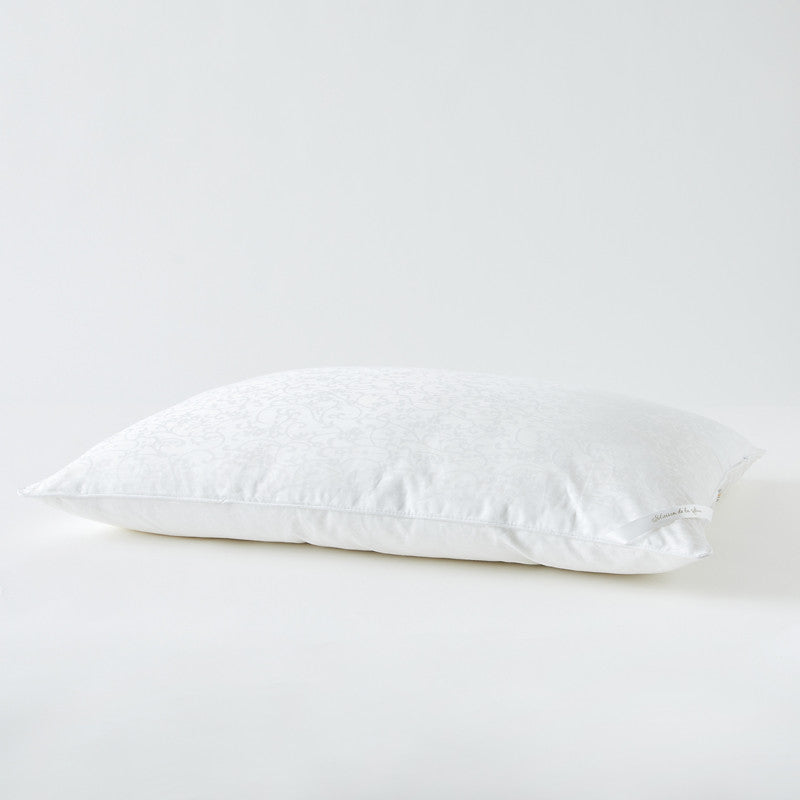
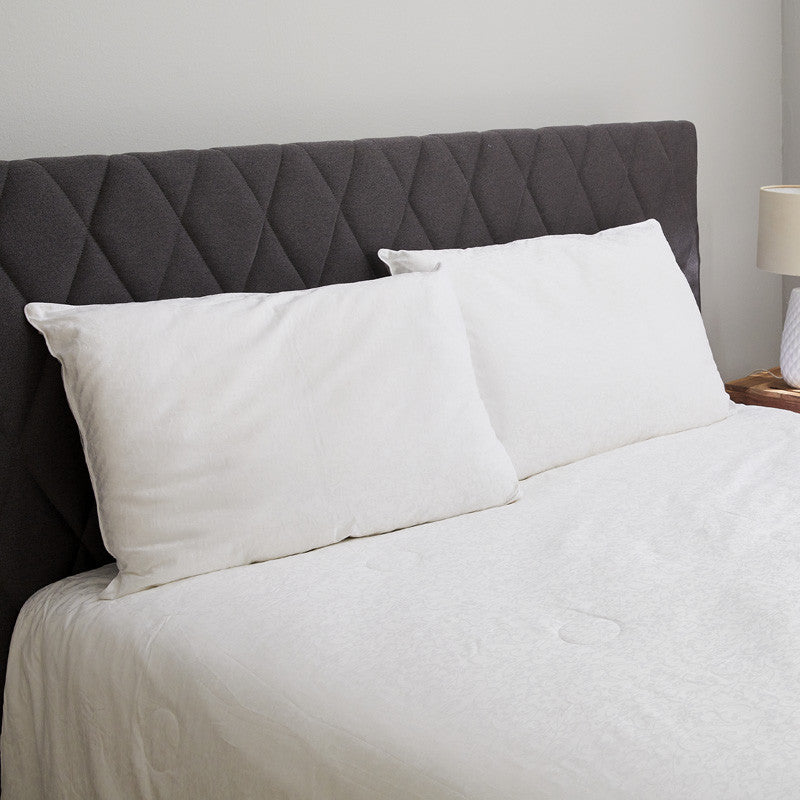
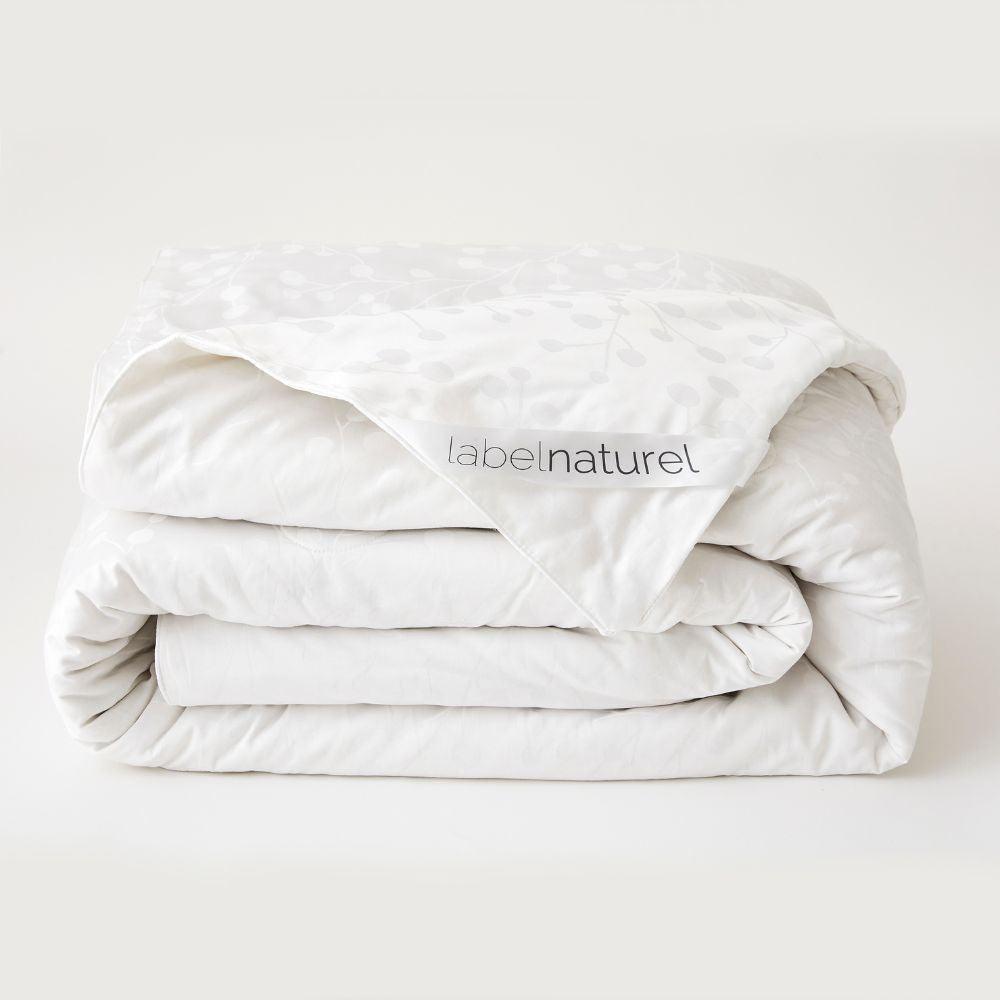
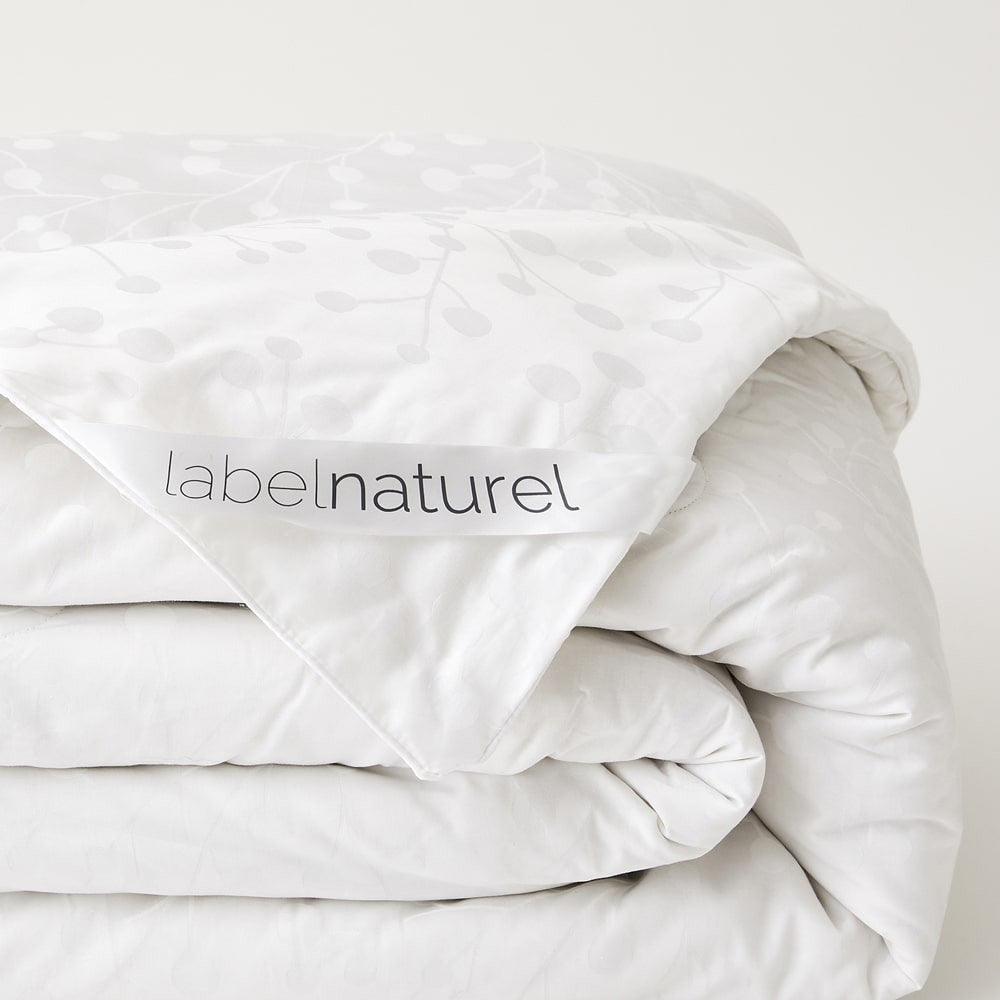
It is in this context that we have chosen to introduce, in 2025, the Tussah silk comforters and pillows developed by Label Naturel. This addition does not mark a change in our philosophy, but rather an extension of it: offering different ways to discover the qualities of silk while maintaining our rigorous standards for material selection.
Silk Closer to Nature
Unlike mulberry silk, which comes from highly controlled farming, Tussah silk comes from silkworms living in a wilder environment. This origin is reflected in the fiber itself.
Its color is naturally more cream-colored, sometimes with a slight golden hue. Its appearance is less uniform, and its sheen is more subtle.
A Different Character
Where mulberry silk evokes perfection and uniformity, Tussah silk captivates with its authenticity. It possesses more character and retains a visible connection to the natural world from which it originates.
Another way to discover silk
Tussah silk is not intended to replace mulberry silk. It simply offers a different experience.
It also serves as an excellent introduction to the breathable and thermoregulatory qualities of silk bedding.


Comparison of the main types of silk used at Maison de la Soie
| Type of Silk | Appearance | Texture | Main Use | Related Products |
|---|---|---|---|---|
| Mulberry silk satin | Shiny and lustrous | Very smooth and flowing | Sleepwear, accessories, and clothing | Pillowcases, scarves, hats, scrunchies, nightwear |
| Chinese silk crepe | Matte to slightly satiny | Soft and slightly textured | Gentle exfoliation | Gentle exfoliating gloves |
| Raw silk | Natural and textured | More invigorating | Toning exfoliation | Toning Exfoliating Gloves |
| Habotai silk | Lightweight and discreet | Soft and airy | Travel and Outdoor | Silk Peak Sleeping Bag Liners |
| Mulberry silk fibers | Invisible in the finished product | Lightweight and cozy | High-end bedding | Duvets, pillows, throws |
| Tussah silk | Cream to light gold | Soft with a touch of character | Natural bedding | Natural-Certified Duvets and Pillows |
How to choose the right silk for your needs?
Every type of silk has its own character. The choice depends first and foremost on how you plan to use it.
| Need | Recommended Silk |
|---|---|
| Pillowcases and hair accessories | Mulberry silk satin |
| High-end, flowing clothing | Chinese silk crepe |
| Gentle exfoliation | Chinese silk crepe |
| Toning exfoliation | Raw silk |
| Travel, Hiking, Camping | Habotai silk |
| High-end comforters, pillows, and throws | Mulberry silk fibers |
| More affordable silk bedding | Tussah silk |
Not all silks are created equal. Discover the one that’s right for you.
Pillowcases, hair accessories, exfoliating gloves, bedding, or travel essentials: explore the Maison de la Soie collections and find the material that best suits your needs.
Reddit Discussion
This diversity of silks often raises questions.
We’ve even started a discussion on our subreddit to gather our community’s experiences and preferences: Silk isn’t just one material. Did you know there are several types of silk?
We wanted to continue the discussion with our Reddit community to gather your experiences, preferences, and discoveries about this fascinating material.
Join the conversation and share your experience with silk.
Silk isn’t just one type of fabric. Did you know there are several types of silk?
by u/cmo_maisondelasoie in MaisondelaSoie
FAQ
What is the difference between mulberry silk and Tussah silk?
Which silk is the softest?
Why are different types of silk used for different products?
Is silk suitable for all seasons?
Which type of silk should you choose to try silk bedding?
Conclusion
Silk is not a single material.
Behind this word lie several fibers, several weaves, and several uses.
From mulberry silk satin to Chinese silk crepe, from raw silk to Habotai silk, each material has its own qualities and meets specific needs.
Understanding these differences not only helps you choose the right silk products but also allows you to appreciate the full richness of a material that has been part of human life for millennia.
At Maison de la Soie, this diversity is at the heart of our approach: selecting the most suitable silk for each purpose to offer an authentic and lasting experience of comfort.
Since 2010, our mission has remained unchanged: to help you discover all the wonders of silk and find the one that best complements your daily life.
Leave a comment